
Everything AboutRoachesSigns, Infestations, Treatment & Prevention
Learn how to identify, prevent, and eliminate roaches in North Georgia. Contact Global Pest Management for a free roach inspection and treatment plan.
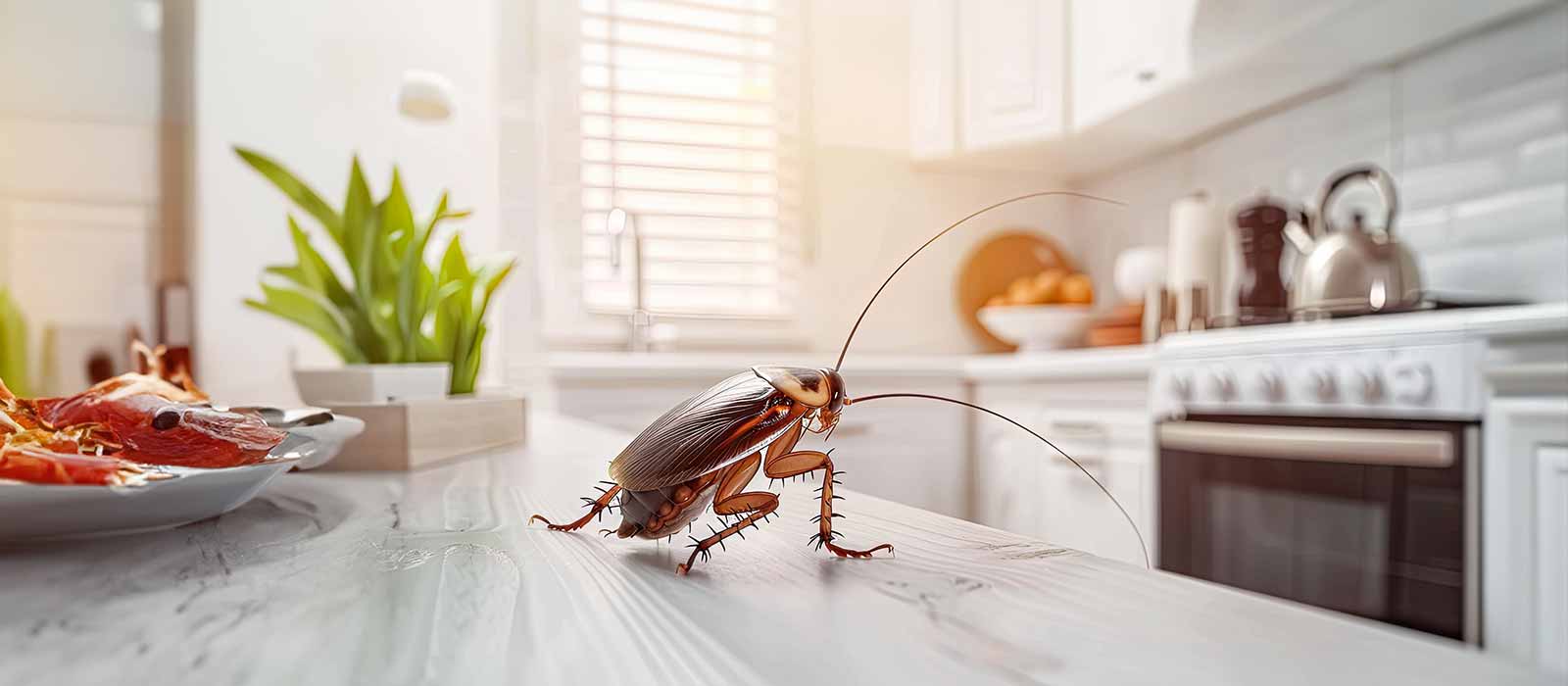
Everything You Need to Know About Roaches
Roaches are one of the most unwelcome pests in a home or business. Seeing a single cockroach can be alarming, but it may also indicate that additional roaches are hiding nearby. Roaches are skilled at finding protected spaces near food, moisture, and warmth. They can live behind appliances, inside wall voids, under sinks, in cabinets, around drains, and throughout cluttered storage areas.
A roach problem should be taken seriously. Cockroaches can contaminate food and food-contact surfaces, leave droppings and unpleasant odors, damage packaging, and contribute to sanitation concerns. Some people may also experience allergy or asthma symptoms associated with cockroach allergens, particularly in indoor environments with ongoing activity.
Global Pest Management provides roach control for homes and businesses throughout North Georgia. As a second-generation, family-owned pest control company serving the area for more than 20 years, Global Pest Management uses detailed inspections, targeted applications, professional-grade baits, perimeter treatments, and follow-up care when needed to address active roach problems and help prevent them from returning.
If you have seen roaches in your kitchen, bathroom, garage, office, restaurant, apartment, or other indoor space, do not wait for the infestation to grow. Contact Global Pest Management to schedule a free inspection and receive a customized plan for roach treatment.
What Are Roaches?
Roaches, also called cockroaches, are insects that can survive in a wide range of indoor and outdoor environments. They are especially common in places that offer access to food, water, warmth, and hidden harborage areas.
Most cockroaches are active at night. During the day, they typically hide in narrow, dark spaces close to food and moisture. This behavior makes a roach infestation difficult to assess without a professional inspection. A property owner may only see a few roaches, while many more remain concealed in cracks, crevices, appliances, plumbing areas, or wall voids.
Roaches are highly adaptable pests. They may enter a structure through gaps around doors, utility lines, windows, vents, drains, or damaged exterior areas. They may also be brought inside in cardboard boxes, grocery bags, used furniture, appliances, storage items, deliveries, or belongings moved from an infested location.
While there are thousands of cockroach species worldwide, only a small number commonly infest homes and commercial buildings in North Georgia. German cockroaches, American cockroaches, and Oriental cockroaches are among the species property owners may encounter.
Why Roaches Are a Problem
Roaches are more than an unpleasant sight. Their presence can affect sanitation, comfort, business operations, and property reputation.
Common concerns linked to roach infestations include:
- Contamination of food, dishes, countertops, and food-preparation areas
- Droppings, shed skins, and egg cases in cabinets and storage spaces
- Odors that may become noticeable during larger infestations
- Damage to food packaging, paper products, cardboard, and stored materials
- Allergen exposure that can worsen symptoms for people with roach allergies or asthma
- Customer complaints and regulatory concerns for restaurants and food-related businesses
- Rapid population growth when roaches have steady food, moisture, and shelter
A roach infestation can develop in clean properties as well as properties with sanitation issues. Roaches are opportunistic pests. They may be attracted by a few crumbs, an overnight pet-food bowl, moisture beneath a leaking sink, grease behind an appliance, or an unnoticed opening around a pipe.
Prompt treatment is important because many roach species reproduce quickly. Addressing activity early is typically easier than waiting until roaches spread throughout the property.
Types of Roaches in North Georgia
Correct identification helps guide treatment because different roach species may prefer different environments and hiding locations.
|
Roach type |
Common characteristics |
Typical hiding areas |
|
German cockroach |
Small, light brown to tan, usually with two dark parallel stripes behind the head |
Kitchens, bathrooms, cabinets, under sinks, behind appliances, and warm areas near water |
|
American cockroach |
Large, reddish brown, often called a “palmetto bug” in some regions |
Basements, utility rooms, crawl spaces, drains, sewers, garages, and moist outdoor areas |
|
Oriental cockroach |
Dark brown to nearly black, often slower-moving and associated with damp conditions |
Floor drains, basements, crawl spaces, leaf litter, utility areas, and moisture-prone spaces |
German cockroaches are often one of the more challenging indoor roaches because they reproduce quickly and may stay close to kitchens, bathrooms, food, and moisture. American and Oriental cockroaches may enter buildings from outdoor areas, drains, crawl spaces, or moisture-heavy locations.
A professional roach inspection can identify the species involved and determine whether activity is concentrated indoors, entering from exterior conditions, or connected to plumbing and moisture issues.
Common Signs of Roaches
Roaches prefer to stay hidden, but they leave evidence behind. Identifying the signs of roaches can help homeowners and business owners take action before the infestation becomes more extensive.
Live Roaches
Seeing live roaches is the most obvious sign. Roaches may run when lights are turned on, especially in kitchens, bathrooms, laundry rooms, basements, garages, and areas near plumbing.
Roaches seen during daylight can sometimes suggest a larger infestation because heavy populations may force some roaches out of their usual nighttime hiding places. However, one daytime sighting alone does not confirm the extent of activity. A professional inspection can help determine what species is present and where roaches are harboring.
Droppings
Roach droppings vary by species and size. Small cockroaches, such as German cockroaches, may leave dark, pepper-like specks or small cylindrical droppings. Larger cockroaches may leave more noticeable droppings that resemble small dark pellets or smears.
Look for droppings in cabinet corners, drawer tracks, under sinks, near appliances, behind refrigerators, in pantry areas, along baseboards, and inside storage spaces.
Egg Cases
Cockroach egg cases are called oothecae. They are capsule-shaped structures that contain multiple eggs. Finding an egg case may indicate that roaches are reproducing nearby or that a roach infestation has been active in the area.
Egg cases may be found behind furniture, in cabinets, near appliances, inside closets, beneath sinks, or along protected edges and cracks.
Shed Skins
As young roaches develop, they shed their outer skin several times. Small, light-brown shed skins may be found in harborages, drawers, cabinets, or areas where roaches gather.
Musty or Oily Odor
Larger roach infestations can produce a lingering musty, oily, or unpleasant odor. The odor may result from roach secretions, droppings, shed skins, and decaying insects. In some cases, the odor becomes stronger in enclosed areas such as cabinets, pantries, crawl spaces, or utility rooms.
Smear Marks
In humid areas, roaches may leave dark, irregular smear marks along walls, baseboards, cabinet edges, or travel routes. These markings are most common where roaches repeatedly move through tight spaces.
Where Roaches Hide
Roaches prefer dark, quiet, protected areas. They can flatten their bodies and fit into narrow cracks, making it possible for them to hide in places that are difficult to see or reach.
Common roach hiding places include:
- Behind refrigerators, stoves, dishwashers, and microwaves
- Inside cabinet hinges, drawer tracks, and pantry corners
- Beneath sinks and around plumbing lines
- Behind wall-mounted fixtures and loose baseboards
- Inside wall voids and gaps around utility pipes
- Around garbage areas and recycling containers
- Under furniture and inside upholstered items
- Near water heaters, HVAC equipment, and laundry appliances
- Inside cardboard boxes, paper bags, and cluttered storage areas
- In crawl spaces, basements, garages, and utility rooms
- Around floor drains, sewer connections, and damp exterior areas
Because roaches congregate in hidden harborages, surface cleaning alone may not eliminate an infestation. Treatment often requires locating and addressing the areas where roaches feed, reproduce, and travel.
What Attracts Roaches?
Roaches look for dependable access to food, water, warmth, and shelter. A property may be well kept and still experience roach activity, but limiting these resources can make the environment less favorable.
Common roach attractants include:
- Food crumbs on floors, counters, appliances, and furniture
- Grease buildup around cooking areas
- Dirty dishes left overnight
- Open food packages and unsealed pantry items
- Pet food and water bowls left accessible overnight
- Full or poorly sealed trash containers
- Recycling residue in cans, bottles, and cardboard
- Water leaks beneath sinks, refrigerators, dishwashers, or washing machines
- Condensation around pipes, HVAC systems, or water heaters
- Cluttered cabinets, pantries, garages, closets, and storage rooms
- Cardboard boxes and paper bags
- Gaps around utility lines, doors, windows, drains, and vents
- Moisture-prone crawl spaces, basements, and bathrooms
For apartment buildings, condos, duplexes, restaurants, offices, and other multi-unit or commercial environments, roaches may travel through shared walls, utility lines, plumbing penetrations, deliveries, trash areas, and connected spaces. Effective control may require coordinated treatment and sanitation efforts.
Professional Roach Inspection
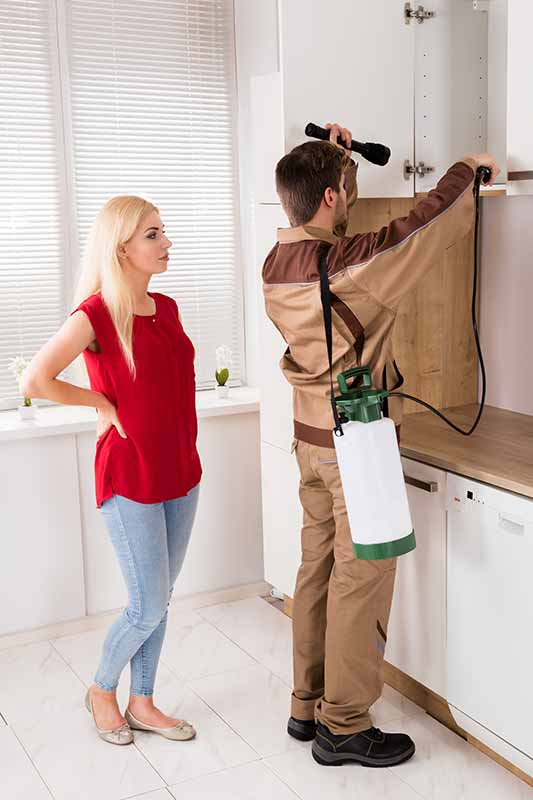
A professional roach inspection helps identify the type of roach, the level of activity, likely harborages, contributing conditions, and potential entry points. This creates a stronger foundation for treatment than attempting to control a widespread infestation with store-bought sprays alone.
During a roach inspection, Global Pest Management technicians can evaluate accessible areas for:
- Live roaches, droppings, egg cases, and shed skins
- Roach harborages behind appliances, cabinets, and fixtures
- Food and moisture sources
- Cracks, crevices, utility openings, and exterior entry points
- Plumbing leaks, drainage concerns, and high-humidity areas
- Clutter, cardboard, storage materials, and sanitation conditions
- Areas that may need follow-up service or additional monitoring
Global Pest Management offers free inspections and may have same-day appointments available, allowing North Georgia homeowners and businesses to get help quickly when roaches become a concern.
Roach Treatment and Control
Successful roach control is usually a multi-step process. Roaches may be hidden in several areas, their egg cases can continue developing after adult roaches are treated, and new activity may appear if sanitation issues, moisture sources, or entry points remain.
Global Pest Management uses a comprehensive interior bug treatment approach for roaches, spiders, and ants. Its service includes a detailed inspection, targeted crack-and-crevice applications, professional-grade baits, perimeter treatment, and recommended follow-up visits based on activity levels.
A professional roach treatment plan may include:
- Species identification and infestation assessment
- Targeted treatment in cracks, crevices, voids, and harborages
- Professional baits placed in appropriate locations
- Exterior perimeter treatment to reduce entry pressure
- Monitoring and follow-up visits when needed
- Recommendations for sanitation, moisture reduction, and clutter control
- Guidance for residents, employees, tenants, or property managers
Treatment timing and results can vary based on infestation severity, species, sanitation, property layout, and whether the source of activity has been addressed. It is normal for customers to see roach activity after an initial service as roaches leave hiding areas or encounter treatment. Follow the technician’s preparation and post-treatment instructions carefully to support the best results.
How to Get Rid of Roaches
Do-it-yourself actions can help reduce roach pressure, but a recurring or established infestation often needs professional control. Avoid relying only on aerosol sprays. Spraying visible roaches may provide short-term results while leaving hidden roaches, egg cases, and harborages untreated.
Take these practical steps while arranging professional roach treatment:
- Store pantry food in sealed glass, metal, or durable plastic containers.
- Clean food crumbs, spills, grease, and pet food from floors, counters, and appliances.
- Do not leave dishes, food waste, or pet food out overnight.
- Empty indoor garbage regularly and use trash cans with tight-fitting lids.
- Rinse recyclable containers before storing them in the home or garage.
- Repair leaks beneath sinks, around appliances, and near plumbing fixtures.
- Dry sinks, counters, and wet areas before bedtime when possible.
- Reduce clutter, especially cardboard boxes, paper bags, and crowded storage areas.
- Vacuum crevices, cabinet corners, and areas behind appliances where accessible.
- Seal accessible gaps around pipes, baseboards, windows, doors, and utility lines.
- Avoid moving untreated roaches, egg cases, or infested belongings to another room or property.
- Schedule a professional roach inspection for a targeted treatment plan.
For multi-family homes and commercial buildings, property managers, residents, and staff may need to work together. A treatment plan is more likely to succeed when connected units, common areas, sanitation practices, and reporting procedures are considered.
Roach Prevention
Roach prevention requires ongoing attention to food storage, cleaning, moisture control, clutter reduction, and exclusion. These steps support professional treatment and reduce the chance of future activity.
Use this roach-prevention checklist:
- Wipe counters and clean floors routinely, especially after meals.
- Clean under and behind kitchen appliances on a regular schedule.
- Store food, snacks, baking supplies, and pet food in sealed containers.
- Take out trash regularly and keep exterior bins closed.
- Rinse cans, bottles, and food containers before recycling.
- Fix water leaks and reduce moisture beneath sinks and around appliances.
- Keep bathrooms, laundry areas, and kitchens as dry as practical.
- Seal gaps around pipe penetrations, vents, doors, windows, and utility lines.
- Install or repair door sweeps and window screens.
- Keep cardboard and paper clutter to a minimum.
- Inspect packages, used furniture, appliances, and storage items before bringing them indoors.
- Schedule professional pest control if the property has a history of roach activity.
A helpful example is a kitchen with a small leak beneath the sink, crumbs behind the stove, a pet-food bowl left out overnight, and stored cardboard boxes. No single issue may cause the infestation alone, but together they create food, water, and shelter for roaches. Correcting each condition helps make treatment more effective and discourages reinfestation.
What Affects Roach Treatment Cost?
Roach treatment cost depends on several factors, including the property size, roach species, extent of infestation, treatment areas, number of follow-up visits, sanitation conditions, and whether the property is residential or commercial.
A small, early roach issue may need a different treatment plan than a widespread German cockroach infestation affecting multiple kitchens, bathrooms, apartments, offices, or food-service areas. Buildings with shared walls, extensive clutter, moisture problems, or recurring activity may need a more comprehensive service strategy.
Global Pest Management offers competitive pricing and flexible pest control plans for North Georgia homes and businesses. A free inspection provides the best opportunity to understand the extent of activity and receive a clear recommendation for roach control.
Choose Global Pest Management for Roach Control
Roach infestations can be stressful, but you do not have to manage them alone. Global Pest Management provides local, professional pest control for North Georgia homes and businesses, including detailed roach inspections, targeted treatment, follow-up service, and prevention guidance.
The company is family-owned, has served North Georgia for more than two decades, and focuses on fast, effective service, long-term prevention, environmentally friendly solutions, flexible pricing, and customer satisfaction.
If you have found roaches, egg cases, droppings, or signs of an infestation, contact Global Pest Management today. Schedule a free inspection and get a customized roach-control plan designed to restore comfort and confidence in your home or business.
Roach Resources
Explore these related roach resources from Global Pest Management:
- Roach Control
- Roach Inspection
- Signs of Roaches
- What Attracts Roaches
- Roach Infestation
- Roach Treatment Cost
- How to Get Rid of Roaches
- Roach Prevention
- German Cockroaches
- American Cockroaches
- Oriental Cockroaches
- Roach Eggs & Egg Cases
- Where Roaches Hide
- Roach Control by City
