
Everything About Termites
Learn Everything About Termites, including signs, prevention, and treatment in North Georgia. Contact Global Pest Management for a free termite inspection.

Everything You Need to Know About Termites
Termites are among the most destructive pests a property owner can face. Often called “silent destroyers,” these wood-destroying insects can feed behind walls, beneath flooring, inside crawl spaces, and around structural components long before visible damage appears. By the time a homeowner notices bubbling paint, hollow-sounding wood, mud tubes, or swarming insects, termites may already have been active for months or longer.
This guide to Everything About Termites covers the signs of termite activity, potential property damage, prevention strategies, and treatment options for homeowners and businesses in North Georgia. Understanding how termites behave and what to look for can help property owners recognize potential problems early and make informed decisions about protecting their buildings.
Global Pest Management provides termite inspections, termite treatment, and termite bond protection for homes and businesses throughout North Georgia. As a second-generation, family-owned pest control company with more than two decades of experience, our team understands the conditions that make local properties vulnerable to termite activity. We use detailed inspections and proven treatment strategies to help property owners identify termite concerns early and protect what matters most.
If you suspect termites or want to take a proactive approach to termite prevention, contact Global Pest Management to request a free termite inspection.
What Are Termites?
Termites are social insects that live in organized colonies. Unlike ants, termites feed on cellulose, a natural material found in wood, paper, cardboard, mulch, and plant-based building materials. Because homes contain framing lumber, flooring, trim, cabinets, drywall paper, and other cellulose-based materials, they can provide termites with a reliable food source.
A termite colony may include:
- Workers that gather food, build tunnels, maintain the nest, and feed other colony members
- Soldiers that protect the colony
- Reproductive termites that help establish or expand colonies
- Swarmers, also called alates, that leave established colonies to begin new ones
In North Georgia, subterranean termites are a major concern for homeowners. These termites typically live in the soil and travel between their colony and food sources through covered tunnels. Their hidden habits make professional termite inspections especially important.
Why Termites Are a Serious Concern
Termites do not usually create an obvious, sudden problem. Instead, they can cause gradual damage as workers feed on wood and cellulose materials inside or around a structure. A termite infestation may affect areas such as:
- Floor joists and subflooring
- Wall studs and framing
- Crawl spaces and sill plates
- Door frames and window frames
- Wooden decks, porches, and steps
- Cabinets and built-in wood features
- Wooden fences and landscaping structures
- Stored paper products, cardboard, and untreated lumber
Not every termite issue causes the same level of damage, and the extent of the problem depends on factors such as colony size, moisture conditions, construction type, and how long termites have been active. However, untreated termite activity can become costly because the insects may remain concealed while feeding.
The most effective strategy is early detection. A professional inspection can help identify current termite activity, past evidence, vulnerable conditions, and practical options for protection.
Common Signs of Termites
Termites are difficult to spot because they prefer dark, protected environments. Homeowners should watch for changes around the home, but visible signs do not always mean termites are present—and a lack of visible signs does not guarantee a home is termite-free.
Common signs of termites include:
Mud Tubes
Subterranean termites often construct narrow, tube-like tunnels made from soil, wood particles, and moisture. These mud tubes may appear on foundation walls, crawl space piers, garage walls, plumbing penetrations, or other surfaces that connect soil to the structure.
The tubes help termites travel while staying protected from open air and dry conditions. Breakage in a tube does not necessarily mean the infestation is gone, so a professional assessment is still important.
Swarming Termites
A termite swarm occurs when winged reproductive termites leave a mature colony to establish new colonies. Swarming often happens when temperature and moisture conditions are favorable.
Homeowners may see:
- Flying insects near windows, doors, lights, or vents
- Discarded wings on windowsills, floors, counters, or near entry points
- Groups of winged insects emerging from soil, walls, or wood
Termite swarmers are often confused with flying ants. A trained pest professional can help identify the insect and determine whether a termite inspection is needed.
Wood Damage
Termite-damaged wood may look hollowed out, thin, blistered, or weakened. In some cases, wood surfaces appear normal until they are tapped, pressed, or opened. Termites commonly eat along the grain of wood and may leave behind packed soil or mud-like material.
Other warning signs can include:
- Soft or sagging floors
- Loose tiles caused by damaged subflooring
- Doors or windows that suddenly stick
- Buckling or bubbling paint
- Crumbling trim or baseboards
- Unexplained cracks in drywall or finishes
These symptoms can also result from moisture damage, settling, or other building issues. A termite inspection helps identify the actual source of the concern.
What Attracts Termites?
Termites are naturally drawn to environments that provide food, moisture, shelter, and access to a structure. While clean homes can still develop termite problems, certain conditions may increase the risk.
Common termite attractants include:
- Excess moisture from plumbing leaks, roof leaks, poor drainage, or condensation
- Wood-to-soil contact around siding, steps, decks, fences, or landscaping
- Firewood, lumber, cardboard, and wood debris stored near the foundation
- Thick mulch placed directly against exterior walls
- Clogged gutters and downspouts that direct water toward the home
- Poor crawl space ventilation or standing water
- Cracks, gaps, and utility openings that provide concealed entry points
- Tree stumps, dead roots, and buried wood near the property
North Georgia’s warm, humid climate can make moisture management especially important. Reducing conducive conditions does not replace professional protection, but it can make a property less appealing to termites.
Subterranean Termites in North Georgia
Subterranean termites live primarily below ground, where the soil provides humidity and protection. They can enter a structure through small openings near the foundation, crawl space, plumbing lines, expansion joints, or other areas where construction materials meet the soil.
Because these termites need moisture, they often use mud tubes to move between the ground and food sources above it. They may enter from beneath the home or travel from nearby soil, landscaping features, wood piles, fence posts, or decaying stumps.
A subterranean termite colony can remain hidden while workers forage continuously. That is why a termite inspection should include accessible interior and exterior areas, especially crawl spaces, foundations, garages, utility penetrations, and locations with moisture concerns or wood-to-ground contact.
Professional Termite Inspections
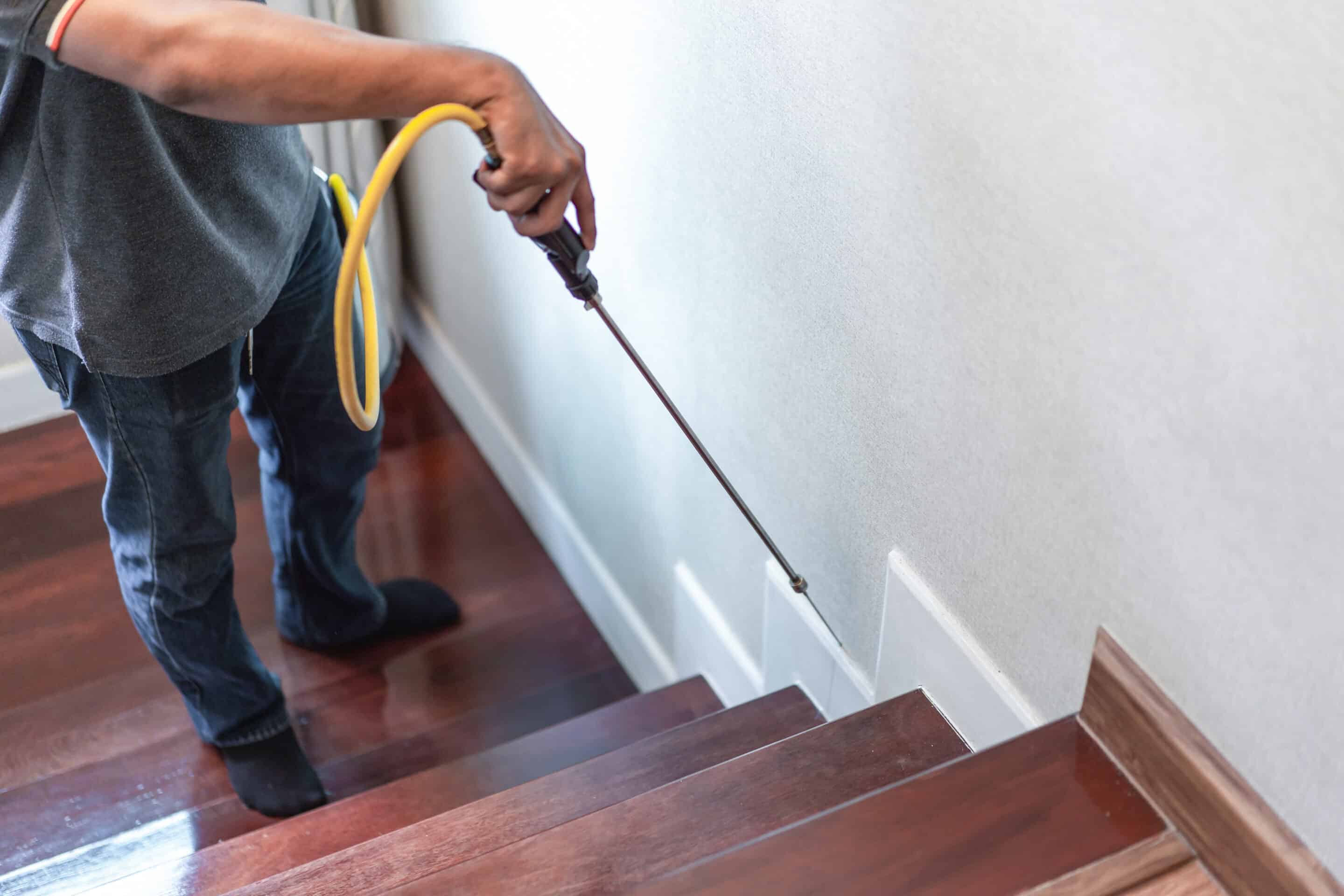
A termite inspection is the starting point for informed termite control. During an inspection, a trained technician evaluates accessible portions of the property for evidence of termite activity, damage, and conditions that may contribute to infestation risk.
At Global Pest Management, termite inspections are designed to help homeowners understand what is happening at their property. Our experienced inspectors look for indicators such as:
- Active mud tubes
- Damaged or hollow-sounding wood
- Termite swarmers or discarded wings
- Moisture-prone areas
- Structural conditions that may allow termite access
- Wood debris, mulch, or soil contact near the foundation
- Previous treatment evidence or signs of past activity
A thorough inspection allows the technician to recommend a treatment plan based on the property’s needs rather than relying on a one-size-fits-all solution.
Global Pest Management offers free inspections and same-day appointments when available, giving North Georgia property owners a practical way to address termite concerns promptly.
Termite Treatment Options
Effective termite treatment depends on the species involved, the location of the activity, the structure’s design, and the extent of the infestation. Global Pest Management uses proven termite control methods, including liquid barriers, bait stations, and targeted treatments.
Liquid Termite Treatments
Liquid treatments can create a protective treated zone in the soil around key areas of a home or building. Depending on the property and treatment plan, this may involve targeted application around the foundation, crawl space, or specific termite entry points.
The goal is to control active termites and help prevent termites from entering or returning to the structure. Treatment methods should always be selected by a qualified professional after an inspection.
Termite Bait Stations
Bait stations are placed in strategic locations around a property. Foraging termites feed on bait and share it within the colony, supporting a colony-focused approach to termite control.
Bait systems may be appropriate for ongoing monitoring and protection. Your pest professional can explain whether baiting, liquid treatment, or a combined approach best fits the property.
Targeted Treatments
When activity is localized, targeted treatments may be used in specific affected areas. This approach can be part of a larger termite management plan, particularly when evidence points to a defined point of entry or infestation zone.
No treatment recommendation should be made without evaluating the property. The right solution depends on the building, termite evidence, moisture conditions, and the homeowner’s long-term protection goals.
What Is a Termite Bond?
A termite bond is an agreement that provides ongoing termite protection through regularly scheduled inspections and coverage terms defined by the plan. It can help homeowners stay proactive after treatment or maintain protection before termites become visible.
Global Pest Management’s termite bonds include ongoing protection, regular inspections, and retreatment if termites return, with coverage details varying by plan.
Before choosing a termite bond, homeowners should review:
- Inspection frequency
- Whether retreatment is included
- Any repair coverage or exclusions
- Transferability if the property is sold
- Renewal requirements
- Conditions the homeowner must maintain, such as moisture control or access for inspections
- Documentation of past treatments and inspection findings
A termite bond is not a substitute for basic maintenance, but it can provide a structured, professional approach to long-term termite monitoring and protection.
How to Prevent Termites
Termite prevention works best when it combines professional monitoring with property maintenance. While no homeowner can eliminate every risk, these steps can reduce conditions that attract termites:
- Keep mulch, firewood, lumber, and cardboard away from the foundation.
- Store firewood off the ground and as far from the home as practical.
- Repair leaking pipes, damaged roof areas, and exterior water intrusion promptly.
- Keep gutters clean and ensure downspouts direct water away from the foundation.
- Maintain proper grading so water does not collect near the structure.
- Avoid direct wood-to-soil contact around decks, fences, siding, and landscaping.
- Remove old stumps, dead wood, and construction debris from around the property.
- Maintain crawl space ventilation and address excess moisture.
- Seal accessible gaps around utility lines, foundation openings, and exterior penetrations.
- Schedule regular professional termite inspections.
A prevention plan should account for the home’s age, crawl space design, landscaping, nearby trees, drainage patterns, and history of termite activity.
When to Call Global Pest Management
Understanding Everything About Termites, from early warning signs and potential damage to prevention and treatment options, can help property owners make informed decisions about protecting their homes and businesses. Call a termite professional if you see mud tubes, discarded wings, wood damage, swarmers, unexplained moisture issues, or any change that makes you concerned about the structure. You should also consider an inspection when buying or selling a home, after significant water damage, or as part of an annual home-maintenance plan.
Global Pest Management serves homeowners and businesses in Buford, Dahlonega, Dawsonville, Suwanee, and surrounding North Georgia communities. The company provides termite inspections, treatment options, and termite bond protection backed by a local, family-owned team focused on clear communication and long-term solutions.
Do not wait for visible damage to become a major repair issue. Request a free termite inspection from Global Pest Management and take the next step toward protecting your home or business from termite damage.
Termite Resources
Explore these related termite resources from Global Pest Management:
- Termite Control
- Termite Inspection
- Termite Bonds
- Signs of Termites
- What Attracts Termites
- Termite Damage
- Termite Treatment Cost
- Subterranean Termites
- Termite Prevention
- Termites by City
