
Everything AboutMosquitoes
Learn Everything About Mosquitoes, including prevention, breeding areas, and control options for North Georgia properties. Contact Global Pest Management today.
Everything You Need to KnowAbout Mosquitoes
Everything About Mosquitoes starts with understanding why they appear, where they breed, and what property owners can do to reduce their activity. Mosquitoes can make time outdoors uncomfortable fast. A few bites during an evening cookout, a swarm near the patio, or constant mosquito activity around the yard can keep families, pets, guests, and customers from enjoying outdoor spaces. Beyond the itching and irritation associated with bites, mosquitoes can also create health concerns because some species may carry diseases.
Global Pest Management provides professional mosquito control for homes and businesses throughout North Georgia. As a second-generation, family-owned pest control company with more than two decades of experience, we help customers identify the conditions contributing to mosquito activity and create practical treatment plans for more comfortable outdoor living.
Mosquitoes are not simply a nuisance that appears at random. Their populations depend heavily on water, weather, shade, vegetation, and the availability of protected places to rest. Understanding the mosquito life cycle, recognizing mosquito breeding areas, and taking preventive steps can make a meaningful difference around your property.
If mosquitoes are taking over your yard, contact Global Pest Management to discuss mosquito treatment options and schedule service.
What Are Mosquitoes?
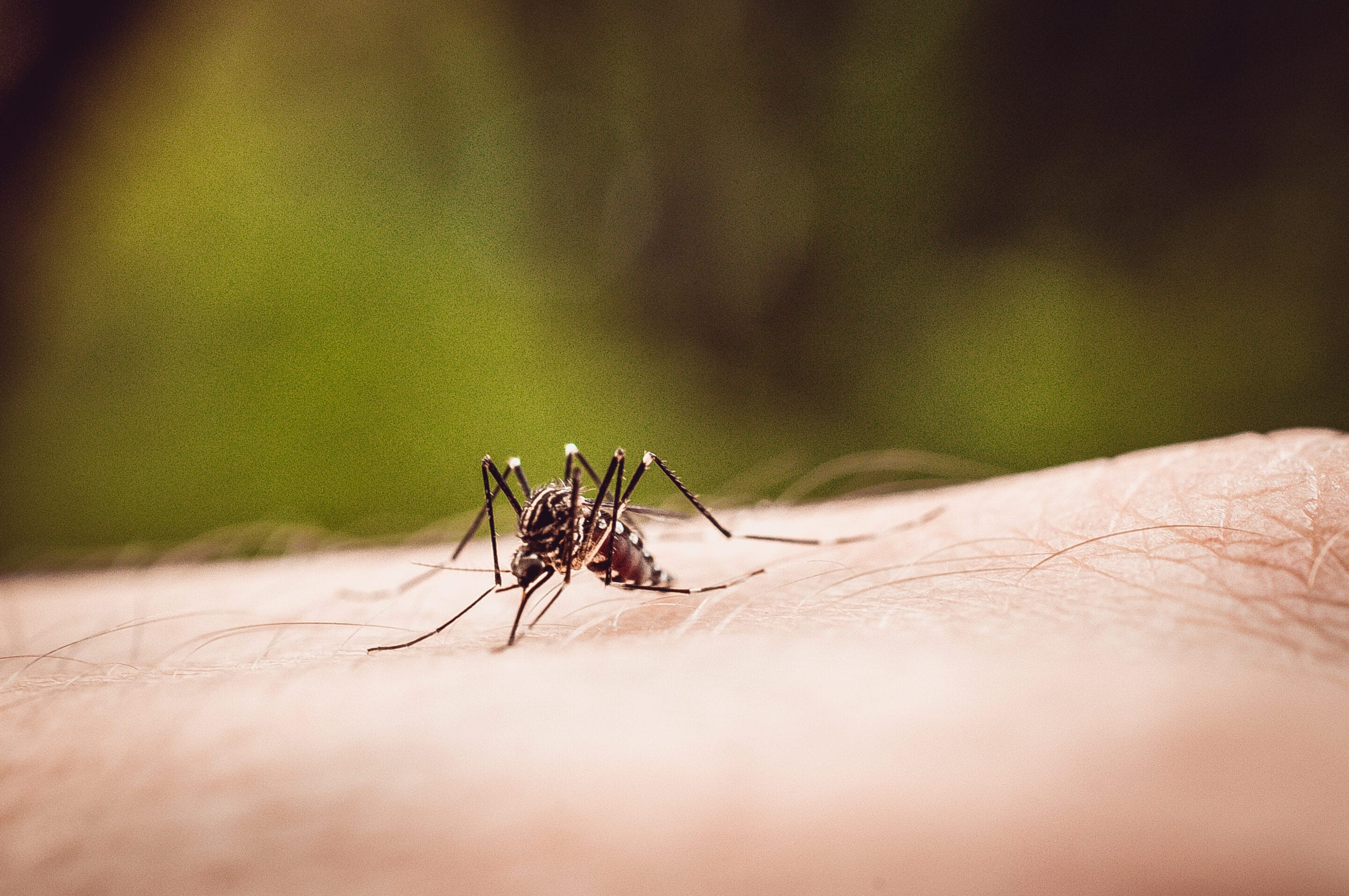
Mosquitoes are small flying insects in the family Culicidae. There are many mosquito species in the United States, and different species vary in their preferred habitat, feeding behavior, activity times, and potential health risks.
Only female mosquitoes bite. They use blood as a protein source that supports egg production. Male mosquitoes feed primarily on plant nectar and other sugary sources.
Mosquitoes are attracted to people and animals through a combination of cues, including:
- Carbon dioxide released during breathing
- Body heat
- Skin odors and sweat
- Dark clothing
- Movement
- Standing water and humid conditions nearby
A mosquito bite occurs when a female mosquito uses her mouthparts to pierce the skin and feed. The familiar itchy bump is typically the body’s reaction to mosquito saliva, not the bite itself.
Mosquito activity is often most noticeable during warmer months, but the timing and severity of mosquito problems can vary based on rainfall, temperature, landscaping, and standing-water sources. In North Georgia, warm temperatures and seasonal rain can create favorable conditions for mosquito breeding and outdoor activity.
The Mosquito Life Cycle
Understanding the mosquito life cycle explains why eliminating standing water is one of the most important mosquito-prevention steps. Mosquitoes need water to complete their development, and some species can develop from egg to adult in a surprisingly short period when conditions are favorable.
Mosquitoes go through four life stages:
- Egg: Female mosquitoes lay eggs in or near water, depending on the species. Eggs may be laid directly on the surface of standing water, along water edges, or in damp locations likely to flood.
- Larva: After hatching, mosquito larvae live in water. Often called “wigglers,” they move through the water and feed on microorganisms and organic material.
- Pupa: Mosquito pupae also live in water. This is the stage where the insect develops into an adult mosquito. Pupae do not feed but remain active in the water.
- Adult: Adult mosquitoes emerge from the pupal stage, rest while their bodies harden, and then begin flying, feeding, mating, and reproducing.
Because the egg, larval, and pupal stages depend on water, mosquito control efforts often focus on removing, treating, or managing water-holding areas. Eliminating one overlooked container of water may prevent a new group of mosquitoes from developing near the home.
Where Mosquitoes Breed
Mosquitoes can breed in much less water than many people realize. Large ponds, drainage ditches, and low-lying areas can support mosquito populations, but small containers around the yard can also become productive breeding sites.
Common mosquito breeding areas include:
- Birdbaths
- Buckets, watering cans, and outdoor containers
- Flowerpots and saucers
- Pet water bowls left outside
- Kiddie pools and unused swimming pools
- Tires, tarps, and plastic covers that collect rainwater
- Clogged gutters and downspouts
- Wheelbarrows and garden equipment
- Trash can lids and recycling containers
- Low spots in the lawn that hold water
- Corrugated drainpipes
- Outdoor toys
- Fountains or ponds without adequate circulation
- Tree holes and hollow stumps
- Poorly draining areas near patios, decks, or foundations
Even a small amount of standing water can become a mosquito concern. During rainy periods, it is helpful to walk the property at least once a week and empty or refresh water-holding containers. This disrupts mosquito development before larvae can mature into biting adults.
Why Mosquitoes Gather Around Certain Yards
Mosquitoes need more than breeding water. Adult mosquitoes also look for shade, humidity, nectar sources, resting sites, and people or animals to feed on. A property can have an active mosquito problem even when the standing water source is not immediately obvious.
Mosquitoes often rest during the day in cool, shaded vegetation. Thick shrubs, ivy, ornamental grasses, ground cover, brush piles, leaf litter, and dense landscaping may provide ideal shelter. When temperatures cool in the evening or early morning, mosquitoes may become more active around patios, porches, decks, walkways, and play areas.
Properties may experience heavier mosquito activity when they have:
- Dense vegetation near gathering areas
- Poor drainage or recurring puddles
- Unmaintained gutters
- Nearby ponds, woods, creeks, wetlands, or drainage areas
- Containers that collect rainwater
- Tall grass or overgrown landscape beds
- Heavy shade and limited air movement
- Uncovered rain barrels or water features
- Outdoor storage areas with clutter
A professional mosquito inspection can help identify likely breeding and resting zones, including areas that homeowners may not immediately notice.
Mosquito Bites and Health Concerns
Most mosquito bites cause temporary itching, redness, swelling, or irritation. Reactions vary from person to person, and repeated scratching can break the skin and increase the risk of infection.
Mosquitoes can also be a public-health concern because certain mosquitoes may transmit viruses and parasites. The specific disease risks in a community can change based on mosquito species, seasonal conditions, public-health monitoring, and local transmission patterns.
For that reason, mosquito management should involve both bite prevention and population reduction. Reducing the number of mosquitoes around your property can help make outdoor areas more comfortable while also limiting opportunities for bites.
To reduce personal exposure to mosquitoes:
- Wear long sleeves and pants when practical, particularly during high mosquito activity periods.
- Use an EPA-registered insect repellent according to its label directions.
- Repair torn window and door screens.
- Use fans in outdoor gathering areas, as mosquitoes are weak fliers.
- Limit outdoor activity when mosquitoes are especially active.
- Keep children and pets away from mosquito-heavy areas whenever possible.
- Remove standing water around the property regularly.
For health guidance related to mosquito-borne illness, follow recommendations from local and state public-health authorities and speak with a healthcare professional about symptoms or concerns.
Professional Mosquito Control
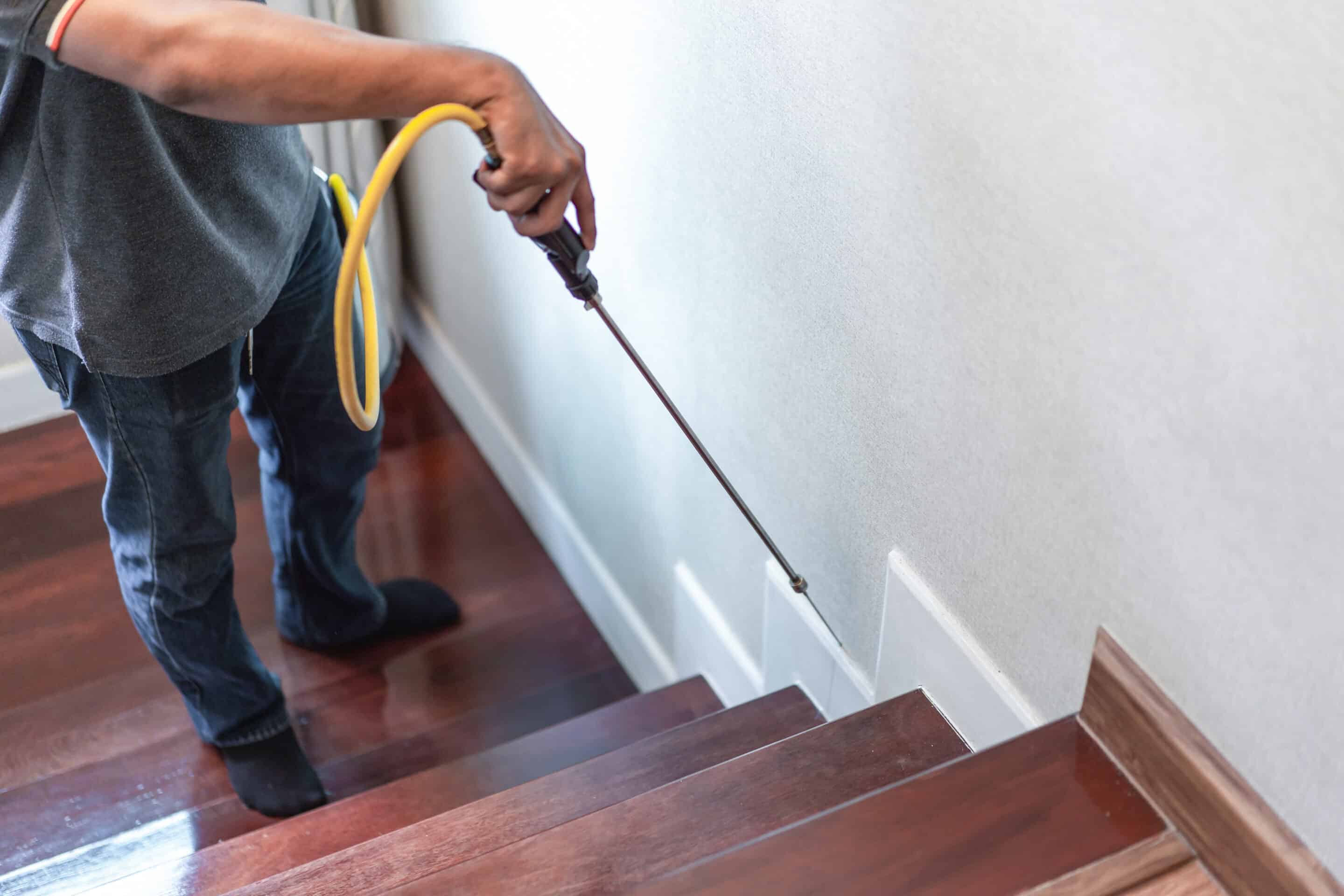
Professional mosquito control is most effective when it combines inspection, targeted treatment, source reduction, and ongoing prevention. A one-time application may provide short-term relief, but recurring conditions such as rain, standing water, dense vegetation, and nearby mosquito habitat can allow activity to return.
Global Pest Management can evaluate mosquito pressure around the property and recommend a service plan based on your outdoor space, mosquito activity, and the areas you want to protect. The company serves homeowners and businesses in Buford, Dahlonega, Dawsonville, Suwanee, and surrounding North Georgia communities.
A mosquito-control service may include:
- Identifying water-holding containers and breeding sources
- Inspecting landscaping and shaded mosquito resting areas
- Recommending drainage, sanitation, and landscape changes
- Targeted treatment in appropriate outdoor locations
- Seasonal or recurring mosquito treatment plans
- Guidance for reducing mosquito activity between service visits
Global Pest Management emphasizes personalized service plans, long-term prevention, environmentally friendly solutions, and customer communication. Free inspections and same-day appointments may also be available.
The exact mosquito treatment approach should be based on conditions at the property, the type of outdoor areas being used, current mosquito pressure, and ongoing sources of moisture or standing water.
Mosquito Treatment for Homes and Businesses
Mosquito treatment is not limited to residential yards. Mosquitoes can affect restaurants with patios, apartment communities, offices, retail entrances, recreation areas, event spaces, daycare facilities, and other commercial properties where people spend time outdoors.
For homeowners, the goal may be to make a backyard, pool area, deck, patio, or play space more enjoyable. For businesses, mosquito control can support a better experience for employees, residents, tenants, customers, and visitors.
A professional mosquito treatment plan may focus on:
- Outdoor seating and entertaining areas
- Pools and surrounding landscaping
- Decks, patios, and porches
- Entryways and walkways
- Garbage and recycling areas
- Community gathering spaces
- Playground or recreation areas
- Shrubs, tree lines, and shaded landscape beds
- Drainage zones and standing-water concerns
Treatments should be used responsibly and according to label directions. A knowledgeable pest management professional can explain where treatment is appropriate, what preparation may be needed, and what steps property owners can take to support better results.
How to Prevent Mosquitoes Around Your Property
Mosquito prevention is an ongoing process, especially during warm and rainy weather. Small maintenance habits can reduce the number of places mosquitoes can breed and rest.
Use the following mosquito-prevention checklist:
- Empty standing water from containers at least once a week.
- Refresh birdbath water regularly.
- Keep gutters and downspouts clear so water can drain correctly.
- Repair outdoor leaks and address poor drainage.
- Cover rain barrels with fine mesh or use properly fitted lids.
- Maintain pools, hot tubs, and water features according to recommended care practices.
- Remove old tires, containers, and debris that can collect rainwater.
- Trim tall grass, overgrown shrubs, and dense vegetation near activity areas.
- Keep outdoor storage organized and off the ground when possible.
- Use screens on windows, doors, porches, and outdoor structures.
- Add outdoor fans around patios and seating areas.
- Schedule professional mosquito control when activity becomes persistent.
One helpful example is a homeowner who notices mosquitoes around the patio every evening. The cause may not be a large water feature. It could be a clogged gutter, a tarp holding rainwater, a saucer beneath a potted plant, and dense shrubs that give adult mosquitoes a shaded resting area. Addressing several small conditions together is often more effective than focusing on only one.
What Affects Mosquito Control Cost?
Mosquito control cost can vary based on the property and service plan. The size of the yard, amount of landscaping, level of mosquito activity, number of treatment areas, frequency of service, and presence of standing-water concerns can all affect pricing.
A small yard that needs seasonal treatment may have different needs than a large property with wooded areas, dense vegetation, recurring drainage concerns, or frequent outdoor events. Businesses and multi-unit properties may also require a more customized service plan.
Global Pest Management offers competitive pricing and flexible plans designed to fit different customer needs. The best way to understand your options is to schedule an inspection or discuss the property with a pest control professional.
Why Choose Global Pest Management?
Mosquito problems require more than a quick spray-and-go approach. Understanding mosquitoes means knowing where they develop, where they rest, and what conditions attract them to the areas your family or customers use most.
Global Pest Management is a second-generation, family-owned company serving North Georgia for more than 20 years. The company offers residential and commercial pest control, uses safe and environmentally conscious solutions, and focuses on personalized plans designed for lasting protection.
When you work with Global Pest Management, you can expect:
- A local team familiar with North Georgia mosquito conditions
- Careful property inspections and practical recommendations
- Targeted mosquito treatment options
- Service plans for homes and businesses
- Clear communication about treatment and prevention
- Support for long-term mosquito reduction
- Responsive scheduling, including free inspections and available same-day appointments
Do not let mosquitoes control how you use your outdoor space. Contact Global Pest Management today to request mosquito control service and learn more about Everything About Mosquitoes, including practical ways to enjoy a more comfortable yard, patio, or commercial property.
Mosquito Resources
Explore these related mosquito resources from Global Pest Management:
- Mosquito Control
- Mosquito Life Cycle
- Mosquito Breeding Areas
- Mosquito Treatment
- Mosquito Control Cost
- Mosquito Prevention
- Mosquitoes by City
