
Everything About SpidersIdentification, Control, Prevention & Treatment
Learn how to identify, prevent, and control spiders in North Georgia. Contact Global Pest Management for a free spider inspection and treatment plan.
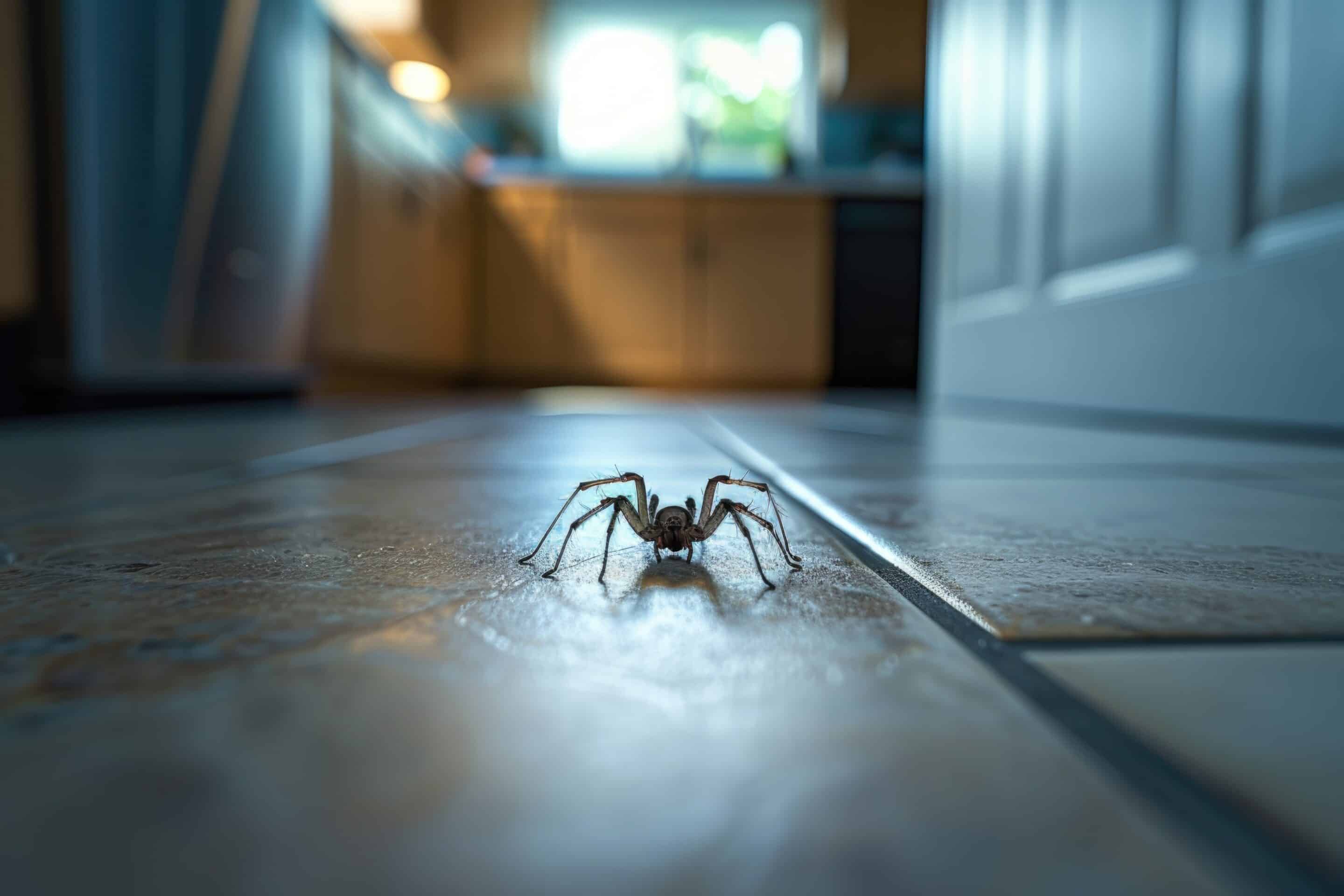
Everything You Need to Know About Spiders
Spiders are common around North Georgia homes and businesses, especially in areas with insects, clutter, moisture, landscaping, and quiet places to hide. While most spiders are beneficial outdoor predators that feed on insects, seeing spiders indoors, finding repeated webs, or discovering egg sacs can make a property feel uncomfortable.
A few spiders around exterior lighting, garden areas, or storage spaces may not always require treatment. However, ongoing spider activity inside a home or business can indicate that spiders have found reliable shelter, insect prey, entry points, or nesting areas. In some cases, professional attention is particularly important when black widow spiders or brown recluse spiders may be present.
Global Pest Management provides professional spider control for homes and businesses throughout North Georgia. As a second-generation, family-owned pest control company with more than two decades of local experience, Global Pest Management uses inspections, targeted crack-and-crevice applications, perimeter treatments, and practical prevention guidance to help customers manage active spider problems and reduce future activity.
If spiders are appearing in your kitchen, bathroom, attic, garage, basement, crawl space, storage area, office, or outdoor gathering space, contact Global Pest Management to schedule a free inspection and receive a customized spider-control plan.
What Are Spiders?
Spiders are arachnids, not insects. Unlike insects, spiders have eight legs, two main body segments, and no antennae. Most spiders are predators that feed on insects and other small arthropods. They use a variety of methods to hunt, including building webs, waiting in ambush, actively chasing prey, or hiding in protected areas until insects come close.
Spiders are attracted to properties primarily because they have access to food. If a building or landscape supports flies, mosquitoes, roaches, ants, moths, crickets, and other insects, spiders may follow.
Spiders can enter buildings through:
- Gaps around doors and windows
- Cracks in foundations and exterior walls
- Openings around plumbing, electrical, cable, and HVAC lines
- Damaged weatherstripping or door sweeps
- Torn window screens or unsealed vents
- Gaps around siding, soffits, rooflines, or crawl space openings
- Boxes, outdoor furniture, firewood, plants, or stored belongings brought inside
Spiders may also live outdoors close to the structure, then move indoors when outdoor conditions change or when they find better shelter and prey availability inside.
Are Spiders Dangerous?
Most spiders found in North Georgia are not considered medically significant and are more likely to avoid people than seek interaction. Spiders typically bite only when they are trapped, pressed against skin, disturbed in a hiding area, or handled.
Even so, spiders can be a concern when they build webs in high-traffic areas, appear repeatedly indoors, or are found near children, pets, storage items, beds, shoes, clothing, or work areas. Spider activity can also be a sign that an insect population is providing a food source nearby.
Two spiders that require special caution are black widow spiders and brown recluse spiders. Their bites are uncommon, but they can cause more serious symptoms than bites from most common house spiders.
If you believe someone has been bitten by a medically significant spider, experiences severe pain, muscle cramps, fever, vomiting, difficulty breathing, a spreading skin lesion, or signs of an allergic reaction, seek prompt medical attention. If possible and safe to do so, take a clear photo of the spider for identification rather than attempting to handle it.
Signs of Spiders
Spider activity is not always limited to seeing a spider. Spiders may leave visible evidence around their preferred harborage areas, especially in quiet, protected spaces.
Common signs of spiders include:
Spider Webs
Spider webs are often the most noticeable sign of activity. Webs can appear in corners, windows, door frames, porches, garages, crawl spaces, attics, sheds, utility rooms, outdoor lighting fixtures, and around landscaping.
Different spider species build different web styles. Some create organized, circular webs, while others create irregular cobweb-like webs in dark corners and cluttered locations. Repeatedly appearing webs may indicate an active spider population or a high concentration of insects that spiders are feeding on.
Spider Egg Sacs
Spider egg sacs are silk-covered capsules that hold spider eggs. Their size, shape, and color can vary by species. Finding egg sacs may indicate that spiders are reproducing in or near the property.
Egg sacs can be found in webs, beneath furniture, in garage corners, around stored boxes, behind equipment, inside sheds, under outdoor furniture, or in other undisturbed areas.
Avoid crushing or moving egg sacs without taking precautions. Depending on the species, one egg sac may contain many eggs. A pest control professional can safely assess and remove spider activity when needed.
Live Spiders
Seeing a spider indoors can be a one-time occurrence, but repeated sightings may indicate favorable conditions. Look for spiders in low-traffic, dark, and cluttered spaces, including closets, basements, attics, garages, laundry rooms, crawl spaces, storage rooms, and behind furniture.
Shed Skins
As spiders grow, they shed their outer covering. These shed skins may be found near webs, behind stored items, or in protected corners. They can resemble a pale, empty spider body.
More Insects Around the Property
A spike in spider activity can sometimes be connected to other pests. Exterior lights may attract flying insects, food debris may attract ants and roaches, and damp conditions may support crickets or other insects. Spiders are more likely to remain near properties with a dependable prey source.
Common Spiders in North Georgia
North Georgia properties can attract a range of spider species. Most are nuisance spiders that help reduce insect populations outdoors. Still, correct identification is important when spiders are repeatedly found indoors or when a potentially medically significant species is suspected.
Spider type |
Common characteristics |
Typical locations |
|
House spiders and cobweb spiders |
Small to medium spiders that build irregular webs |
Corners, basements, garages, closets, sheds, windows, and storage areas |
|
Wolf spiders |
Larger, fast-moving hunting spiders that do not rely on capture webs |
Ground level, garages, basements, crawl spaces, leaf litter, and entry areas |
|
Orb-weaver spiders |
Often build large, organized circular webs |
Gardens, shrubs, porches, exterior lights, windows, and wooded areas |
|
Jumping spiders |
Compact spiders that actively hunt and may jump short distances |
Windows, siding, decks, garages, outdoor furniture, and sunny exterior areas |
|
Black widow spiders |
Shiny black spiders; females may have a red-orange hourglass marking underneath |
Woodpiles, sheds, cluttered garages, crawl spaces, outdoor storage, and protected exterior areas |
|
Brown recluse spiders |
Light to medium brown spiders often associated with a darker violin-shaped marking |
Cardboard boxes, closets, attics, stored clothing, wall voids, and quiet indoor areas |
Spider appearance can vary, and identification based on color alone is unreliable. If you suspect black widow or brown recluse activity, avoid handling the spider, web, egg sac, or surrounding materials. Contact a trained pest professional for identification and treatment guidance.
Black Widow Spiders
Black widow spiders are venomous spiders that can be found in protected, low-disturbance outdoor and semi-indoor environments. Adult females are generally glossy black, and many have a red or orange hourglass-shaped marking on the underside of the abdomen. Juveniles and males may have different markings and colors.
Black widows commonly build irregular, tangled webs near ground level in dark, protected places. They may be found in:
- Woodpiles and stacked lumber
- Sheds and garages
- Outdoor storage bins
- Under decks, porches, and steps
- Crawl spaces
- Unused outdoor equipment
- Cluttered areas with limited foot traffic
- Rock piles, dense vegetation, and landscape debris
Black widow bites are uncommon because these spiders generally avoid people. However, a bite may occur if a spider is pressed against the skin while handling firewood, moving stored items, reaching into cluttered spaces, or putting on shoes or gloves that have been left undisturbed.
Wear gloves when moving stored materials, firewood, or outdoor equipment. Shake out shoes, gloves, clothing, and towels that have been stored in garages, sheds, or other areas where spiders may hide.
Brown Recluse Spiders
Brown recluse spiders are another species that deserves caution. They are typically light to medium brown and may have a dark, violin-shaped marking on the upper body, with the “neck” of the marking pointing toward the abdomen. However, visual identification can be difficult, and many harmless spiders are mistaken for brown recluses.
Brown recluse spiders prefer undisturbed, dry, and protected environments. They may hide in:
- Cardboard boxes and paper storage
- Closets and attics
- Shoes, clothing, bedding, and towels
- Wall voids and behind furniture
- Storage rooms and garages
- Under furniture or equipment that is rarely moved
- Crawl spaces and cluttered areas
Because brown recluse spiders can hide in clothing and stored belongings, use care when retrieving items from long-term storage. Wear gloves when sorting boxes and avoid leaving clothing, shoes, blankets, or towels on floors in garages, basements, or storage areas.
If brown recluse spiders are suspected, professional inspection is recommended. A technician can look for evidence of activity, identify conducive conditions, and recommend treatment and exclusion measures appropriate for the property.
What Attracts Spiders?
Spiders are attracted to environments that provide food, shelter, moisture, and protected places to build webs or hide. Controlling spiders often means reducing the insect populations and property conditions that support them.
Common spider attractants include:
- Ants, roaches, flies, mosquitoes, moths, crickets, and other insects
- Exterior lighting that attracts flying insects after dark
- Dense shrubs, ivy, vines, tall grass, and ground cover near the structure
- Leaf piles, mulch, woodpiles, rocks, and outdoor debris
- Cluttered garages, sheds, basements, attics, and storage rooms
- Cardboard boxes, paper bags, unused furniture, and stored items
- Moisture around crawl spaces, plumbing, basements, and foundations
- Cracks, gaps, and openings in exterior walls, windows, doors, and vents
- Unsealed utility openings and damaged weatherstripping
- Undisturbed areas with limited activity
If you see spiders regularly, inspect the property for the insects they may be feeding on. Reducing food sources often plays a major role in long-term spider control.
Spider Inspection and Treatment
A professional spider inspection identifies the type of activity, likely hiding places, web-building areas, potential entry points, and conditions that may be attracting spiders. An inspection is especially valuable when spiders appear repeatedly indoors, egg sacs are found, or black widows or brown recluses are suspected.
During a spider inspection, Global Pest Management may assess:
- Spider sightings, webs, egg sacs, and shed skins
- Interior corners, closets, garages, attics, crawl spaces, and storage areas
- Behind appliances, furniture, and stored belongings where accessible
- Exterior walls, porches, decks, eaves, windows, doors, and lighting
- Vegetation, firewood, mulch, debris, and outdoor storage near the structure
- Cracks, gaps, vents, screens, and utility openings
- Insect activity that may be serving as a food source
Global Pest Management offers free inspections, and same-day appointments may be available for urgent pest concerns.
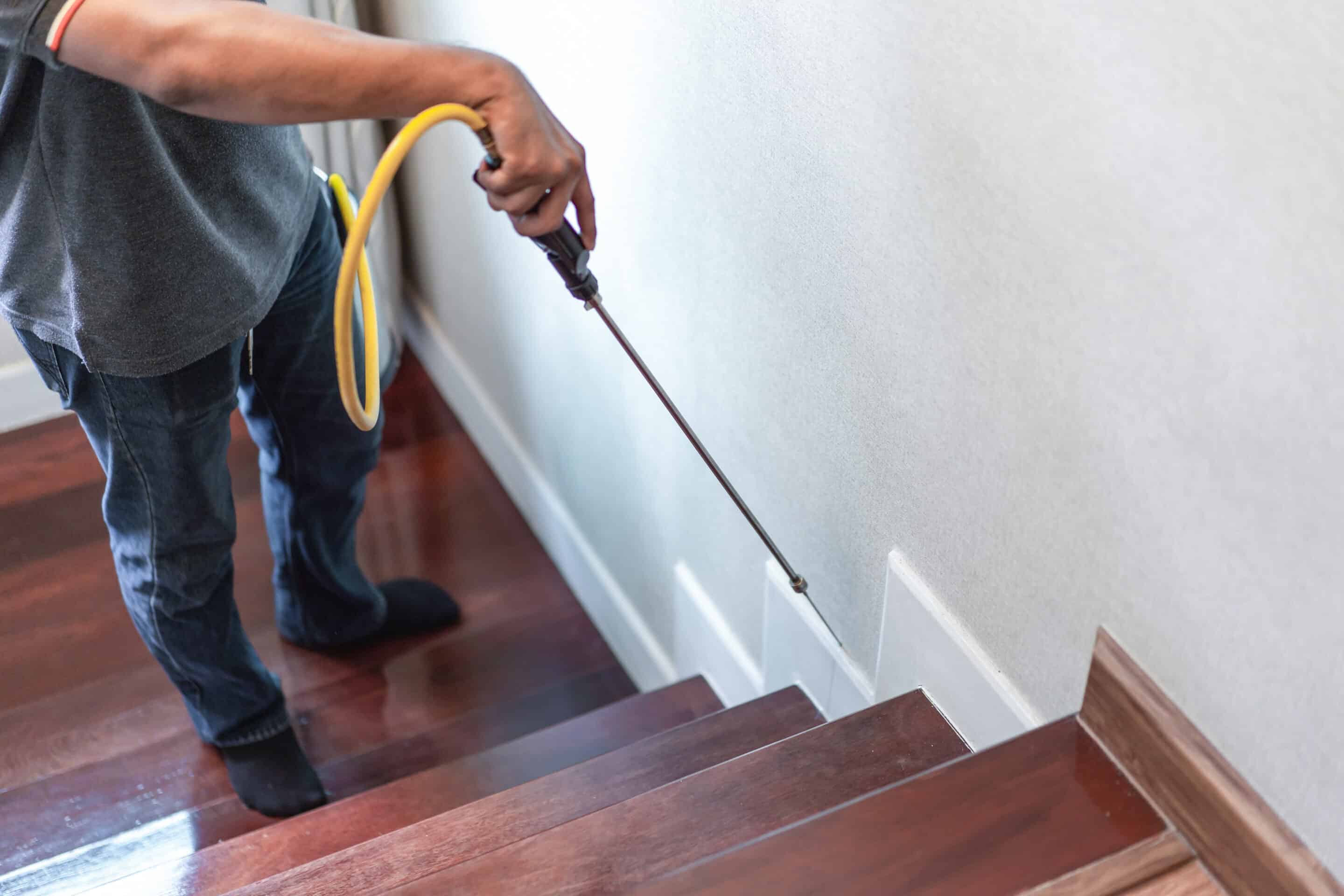
The company’s interior bug treatment plan includes a detailed inspection, targeted crack-and-crevice applications, professional-grade products, exterior perimeter treatments, and follow-up visits when activity levels warrant additional service. This approach is designed to manage active spiders while also reducing conditions that support recurring pest pressure.
A spider treatment plan may include:
- Targeted application in appropriate cracks, crevices, and harborage areas
- Exterior perimeter treatment around likely entry points
- Removal or treatment of accessible webs and egg sacs
- Recommendations for insect control, sanitation, and exterior lighting management
- Exclusion recommendations for gaps around windows, doors, vents, and utilities
- Follow-up service based on spider type, activity level, and property conditions
Treatment should be tailored to the property. For example, a garage with black widow webs around stored items requires a different focus than a house with occasional orb-weaver webs around exterior lights.
How to Get Rid of Spiders
Homeowners can take practical steps to reduce spider activity, but widespread infestations, repeated indoor sightings, or suspected venomous spiders should be handled by a professional.
Use these steps to reduce spiders around your property:
- Remove visible webs and egg sacs carefully with a vacuum or tool, avoiding direct contact with spiders.
- Vacuum corners, baseboards, closets, garages, storage rooms, and areas behind furniture where spiders may hide.
- Reduce clutter, including cardboard, unused bags, stacked boxes, and stored materials that create hiding places.
- Seal gaps around doors, windows, foundations, utility pipes, vents, siding, and exterior trim.
- Install or repair door sweeps, weatherstripping, screens, and vent covers.
- Move firewood, lumber, stones, leaf piles, and landscape debris away from the structure.
- Trim vegetation away from exterior walls, windows, rooflines, and entryways.
- Reduce insect attraction around exterior lights by using appropriate bulb types, placing lights away from doors when possible, or turning unnecessary lights off at night.
- Address moisture problems, including leaks, standing water, poor drainage, and damp crawl spaces.
- Shake out shoes, gloves, towels, clothing, and outdoor gear that have been stored in quiet areas.
- Do not handle spiders you cannot confidently identify.
- Contact Global Pest Management for professional spider control if activity continues.
Spider Prevention and Exclusion
Spider prevention focuses on removing the factors that make a property appealing: available insects, hidden spaces, clutter, moisture, and easy entry routes.
Use this spider-prevention checklist:
- Keep outdoor lights off when not needed, or manage lighting to reduce insect attraction near doors and windows.
- Seal cracks around foundations, siding, windows, doors, cable lines, pipes, and HVAC penetrations.
- Repair damaged screens, weatherstripping, door sweeps, soffits, and vents.
- Remove webs and egg sacs around porches, eaves, windows, and outdoor furniture.
- Keep garages, sheds, closets, attics, and storage spaces organized.
- Replace cardboard boxes with sealed plastic storage containers when possible.
- Store firewood away from the home and raise it off the ground.
- Keep mulch, leaf litter, wood debris, rocks, and dense vegetation away from the foundation.
- Trim shrubs, vines, and tree branches so they do not touch the structure.
- Reduce moisture around crawl spaces, basements, foundations, and utility areas.
- Address ants, roaches, flies, mosquitoes, and other insects that provide food for spiders.
- Schedule routine pest control if spider activity is persistent.
For example, a homeowner may remove spider webs from the porch each week, but the webs continue returning because exterior lights attract moths and flying insects each night. Adjusting lighting, reducing nearby vegetation, sealing entry points, and treating the insect population can provide longer-lasting relief than web removal alone.
What Affects Spider Treatment Cost?
Spider treatment cost can vary based on the size of the property, level of activity, type of spider, number of treatment areas, amount of exterior vegetation or storage clutter, follow-up needs, and whether exclusion work is required.
A few nuisance spider webs around a porch may require less service than widespread activity in a home, garage, crawl space, attic, or commercial facility. Properties with suspected black widows or brown recluses may require more detailed inspections, targeted treatment, follow-up monitoring, and prevention recommendations.
Global Pest Management offers competitive pricing and flexible plans for North Georgia homes and businesses. A free inspection is the best way to determine the scope of spider activity and receive a clear recommendation for control, treatment, and prevention.
Choose Global Pest Management for Spider Control
You do not have to let spiders make your property feel uncomfortable. Global Pest Management provides local, professional spider control for homes and businesses across North Georgia, including Buford, Dahlonega, Dawsonville, Suwanee, and surrounding communities.
The company is family owned, has served North Georgia for more than 20 years, and provides residential and commercial pest control with a focus on safe, environmentally conscious solutions, personalized treatment plans, long-term prevention, competitive pricing, and customer satisfaction.
If you are seeing spiders indoors, finding webs or egg sacs, dealing with a recurring spider problem, or concerned about black widow or brown recluse activity, contact Global Pest Management today. Schedule a free spider inspection and get a targeted plan to help protect your home or business.
Spider Resources
Explore these related spider resources from Global Pest Management:
- Spider Control
- Spider Inspection
- Signs of Spiders
- What Attracts Spiders
- Spider Infestation
- Spider Treatment Cost
- How to Get Rid of Spiders
- Spider Prevention
- Spider Exclusion
- Spider Webs & Egg Sacs
- Common Spiders in North Georgia
- Black Widow Spiders
- Brown Recluse Spiders
- Spider Control by City
