
Termite Prevention
Want to stop termites before they start? Learn proven termite prevention steps and call Global Pest Management today for proactive inspections and protective treatments.

Signs of Termites Every Homeowner Should KnowHeading
Preventing termites is far less expensive than repairing damage after they take hold. These insects are drawn to moisture and cellulose, quietly exploiting gaps around your foundation and concealed wood-to-soil contact. At Global Pest Management, we design layered prevention plans that correct conducive conditions, fortify your property with professional barriers or bait systems, and establish an inspection cadence that keeps your home protected year-round.
Understanding what invites termites—and eliminating those conditions—puts you in control before a colony ever gains a foothold.
Prevention-First Strategy for Termites
Good prevention tackles the root causes: moisture management, proper grading, and thoughtful construction choices that limit termite access to your structure. These steps reduce the likelihood of hidden activity inside walls, subfloors, and sill plates, where termites typically operate out of sight.
Homes with drainage issues, clogged gutters, or past leaks face higher risk. Scheduling routine preventive inspections with a licensed professional is one of the most effective ways to keep your defenses strong.
Common Signs ofTermite Activity
Build a strong prevention foundation with these core steps:
Mud Tubes on Foundations
Subterranean termites build mud tubes to travel safely between their nest and food source. These are often found along foundations or in a crawl space.
Swarmers and Discarded Wings
Termite swarmers, or swarmers flying termites, shed their wings after finding a place to start a new termite colony. Wings near windows, doors, or light sources are a strong warning sign.
Hollow or Damaged Wood
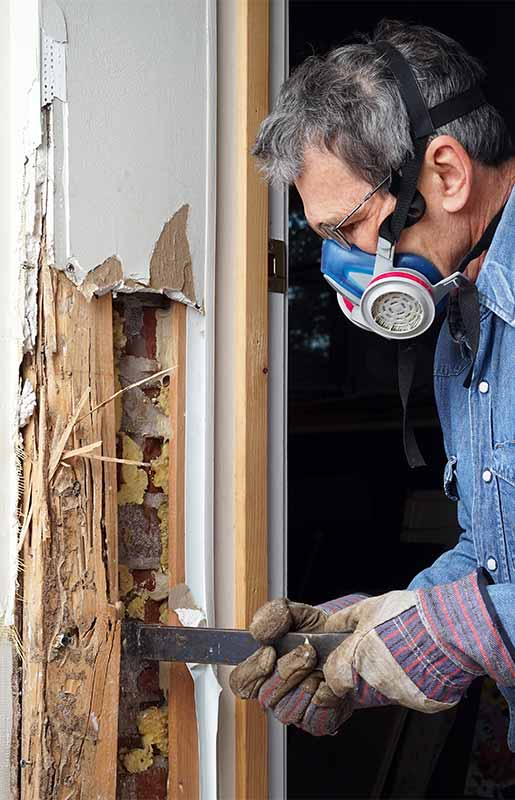
Wood that sounds hollow when tapped or appears blistered may indicate termites feeding inside. Over time, this can weaken structural components.
Frass (Droppings)
Drywood termites leave behind pellet-like droppings that resemble sawdust near infested areas.
Warped Doors and Frames
Moisture from termite activity can cause wood to swell, making doors, windows, or a door frame difficult to open or close.
Faint Clicking Sounds
In quiet conditions, termites moving inside walls may produce soft clicking sounds.
Moisture Control and Entry-Point Exclusion
Subterranean termites, including aggressive strains, thrive where moisture persists and soil contacts wood. Reducing humidity in crawlspaces, maintaining a positive grade away from the foundation, and eliminating direct wood-to-soil contact are critical preventive measures that limit access and food sources.
High-Risk Areasin Your Home

Focus your prevention efforts in spots where termites are most likely to gain access:
- Crawl spaces and basements: improve ventilation, consider encapsulation, and keep humidity in check
- Perimeter and foundation lines: maintain a clear inspection gap and prevent wood-to-soil contact
- Attics and rim joists: fix roof leaks promptly and insulate to reduce condensation
- Plumbing and HVAC areas: repair leaks and route condensate lines away from the foundation
- Decks, fences, and door thresholds: use treated materials, install proper footings, and avoid mulch piled against wood
Consistent upkeep in these areas greatly reduces conditions that attract termites and helps maintain long-term protection.
Why You Need A Termite Inspection

A professional prevention plan gives you confidence that nothing is overlooked. During a preventive inspection, Global Pest Management evaluates drainage, grade slope, gutters, downspouts, crawlspace ventilation, wood-to-soil contact, and entry points around utilities. We then recommend the right mix of corrections and protective products for your property.
Our prevention services include:
- Comprehensive termite prevention inspection and risk report
- Environmental corrections: moisture control, debris removal, and exclusion sealing
- Protective treatments: soil barrier applications and termite bait station monitoring
- Ongoing monitoring schedules and seasonal checkups to maintain protection
How to Prevent aTermite Problem

Proactive steps around your property dramatically lower the risk of termites establishing a colony:
- Fix plumbing, roof, and gutter leaks promptly to remove moisture sources
- Store firewood, lumber, and cellulose debris well away from the foundation
- Seal gaps in slabs, utility penetrations, and siding to limit hidden entry paths
- Improve crawl space airflow or encapsulate to control humidity and condensation
- Book routine termite inspections with Global Pest to catch issues early

Termite Prevention FAQs
Understanding Termite Swarmers
Swarmers are winged reproductive termites that leave a mature nest to start new colonies. Seeing them indoors, around windows, or finding shed wings near sills is a key signal to review your prevention plan.
High-Priority Areas to Inspect for Termites
Begin where moisture and wood meet: crawl spaces, sill plates, porch steps, garage expansion joints, plumbing penetrations, and landscaping that touches the foundation.
Signs of Termite-Damaged Wood
It often has a layered, honeycombed interior with soil or frass, may blister beneath paint, and can sound hollow when tapped. Preventive measures aim to stop this damage before it starts.
Recommended Termite Inspection Interval
An annual inspection is standard, but high-pressure regions benefit from biannual checks—especially before and after swarm season to adjust preventive treatments if needed.
Formosan Termites: Risks and Realities
Yes. Their large colonies and aggressive feeding mean prevention is critical—robust moisture control, reduced wood-to-soil contact, and professionally managed bait or barrier systems offer the best protection.
Why Choose Our Termite Prevention Plans
Global Pest Management builds prevention into every step of our service. Our specialists design moisture and exclusion strategies, place and monitor bait systems, and apply targeted soil barriers when appropriate—creating layered protection that keeps termites out long-term.
Secure Your Property with Proactive Termite Protection
Termites exploit damp soil, hidden cracks, and untreated wood. Simple warning signs like mud tubes, swarmers, or hollow-sounding trim mean it’s time to strengthen your defenses with a comprehensive prevention plan.
If you’re ready to reduce risk and stay ahead of termite season, contact Global Pest Management for a professional assessment. We’ll evaluate conditions, recommend the right preventive treatments, and set an inspection schedule to safeguard your home year-round.
