
TermitesBy City
Comparing termite risks city by city? Explore local swarm seasons, species, and risk hotspots—then call Global Pest Management today for fast, expert inspection and treatment in your area.

Termites By CityHeading
Termite pressure isn’t the same everywhere. Soil type, humidity, building practices, and even neighborhood age change your risk from one city to the next. Subterranean termites thrive in moist soils common in river and coastal cities, while drywood termites are more frequent in warmer, coastal corridors. At Global Pest Management, we tailor inspections and treatment plans to your city’s conditions so you can catch activity early and protect your home effectively.
Understanding how local climate and construction styles influence termite behavior helps you act before damage occurs.
Why Local Termite Conditions Differ by City
In some cities, spring swarms are the main warning sign; in others, warm fall snaps trigger flights. Older downtown districts with slab-on-grade foundations face different risks than hillside suburbs with crawl spaces. Localized knowledge guides where we look first and how we treat, improving accuracy and outcomes.
Homes in cities with high groundwater, heavy rainfall, or reclaimed fill soils are especially vulnerable. Scheduling inspections on a cadence recommended for your city is one of the best ways to stay ahead of hidden colonies.
Common Signs ofTermite Activity
Here’s what to watch for in your city, adjusted for local conditions and seasons:
Mud Tubes on Foundations
Subterranean termites build mud tubes to travel safely between their nest and food source. These are often found along foundations or in a crawl space.
Swarmers and Discarded Wings
Termite swarmers, or swarmers flying termites, shed their wings after finding a place to start a new termite colony. Wings near windows, doors, or light sources are a strong warning sign.
Hollow or Damaged Wood
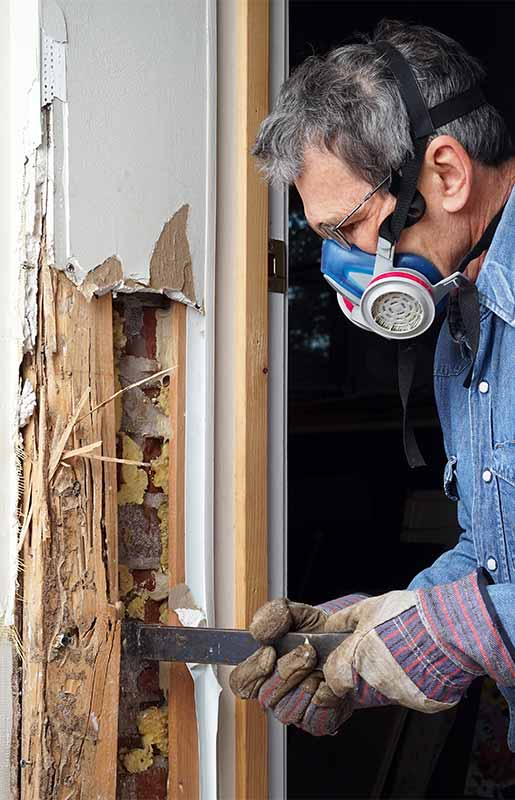
Wood that sounds hollow when tapped or appears blistered may indicate termites feeding inside. Over time, this can weaken structural components.
Frass (Droppings)
Drywood termites leave behind pellet-like droppings that resemble sawdust near infested areas.
Warped Doors and Frames
Moisture from termite activity can cause wood to swell, making doors, windows, or a door frame difficult to open or close.
Faint Clicking Sounds
In quiet conditions, termites moving inside walls may produce soft clicking sounds.
City-by-City Termite Species and Swarm Seasons
Across many Gulf and coastal cities, Formosan subterranean termites are a major concern due to large colony sizes and rapid consumption of wood—fast professional intervention is critical. Inland and temperate cities more commonly see native subterranean species, while select coastal and Sun Belt cities experience drywood termites that nest directly in lumber and can spread through infested furniture. Global Pest Management identifies the species prevalent in your city and aligns treatment to local patterns and swarm timing.
High-Risk Areasin Your Home

Local environments shape where termites concentrate around properties in your city:
- Crawl spaces and basements in hillside or older neighborhoods with persistent humidity
- Foundation edges and expansion joints in slab-on-grade homes common in newer subdivisions
- Attics and upper floors in coastal cities where drywood termites are active
- Areas with chronic leaks or past flooding in river-adjacent districts
- Exterior wood features like decks and fences exposed to city irrigation or sea air
Checking these spots with your city’s swarm season in mind can reveal problems before they spread.
Why You Need A Termite Inspection

If your city’s swarm season is underway or you’ve noticed suspicious activity, a professional inspection is the most reliable next step. Global Pest Management provides city-aware assessments that account for local soils, moisture, and construction, including hard-to-access crawl spaces and utility chases.
Our services include:
- Detailed inspections aligned to your city’s risk profile and peak swarm windows
- Precise species identification, including Formosan, native subterranean, and drywood termites
- Targeted treatment plans suited to local building types and soil conditions
- Preventative options and inspection schedules calibrated to your city’s climate and regulations
How to Prevent aTermite Problem

City-specific conditions influence termite pressure, so tailor prevention to your local climate and building style:
- Fix roof, plumbing, and gutter leaks promptly to reduce humidity that attracts subterranean termites
- Store firewood, mulch, and lumber off the ground and away from exterior walls to limit foraging access
- Seal foundation gaps, utility penetrations, and expansion joints to block entry routes
- Improve crawl space airflow with vents or encapsulation to keep moisture levels stable
- Schedule regular termite inspection services aligned with your city’s peak swarm season

City-Level Guidance and Tips
Understanding Termite Swarmers in Your Area
Swarmers are winged reproductive termites that emerge seasonally to start new colonies. In many cities they appear after warm rains; finding discarded wings on windowsills is a common early clue.
High-Risk Spots to Inspect First in Your City
Combine city risk factors with home features: inspect slab edges, crawl spaces, sill plates, garages, and fence-line attachments. In coastal areas, check exposed wooden trim; in older neighborhoods, review pier-and-beam supports and porch posts.
Recognizing Termite-Damaged Wood on Local Homes
You may see thin surface blistering, maze-like galleries beneath the grain, or wood that sounds papery when tapped. Subterranean activity often pairs with mud tubes; drywood species leave sand-like pellets.
Recommended Inspection Frequency by City
Inspection cadence varies by city. Humid or sandy-soil regions typically warrant annual checks; lower-risk, colder climates may permit every 18–24 months. Ask Global Pest for your city’s recommended schedule.
Formosan Termites: Where They Occur and City Risk
Yes. In warmer coastal and river-adjacent cities, Formosan colonies grow rapidly and can compromise structural timbers faster than native subterranean species. Rapid assessment and targeted treatment are critical.
Global Pest Services Available in Your Area
Global Pest Management delivers city-informed termite solutions that account for local species, soil types, and building practices. Our specialists map swarm seasons and neighborhood risk profiles, then deploy treatment and monitoring plans calibrated to your area’s conditions for lasting protection.
City-Specific Protection Plans and Scheduling
Termite pressure shifts from city to city, but the warning signs are consistent: seasonal swarms, mud tubes along foundations, hollow-sounding timbers, or frass from drywood activity. Acting early limits structural impact and cost.
If you suspect activity in your neighborhood, contact Global Pest Management today for a city-specific inspection. We’ll confirm the species, outline options for your local environment, and establish a prevention plan to keep your home secure year-round.
