
AntExclusion
If ants keep finding their way inside, the building itself is offering them a path. Hairline cracks in foundations, gaps around pipes, unsealed siding joints, loose utility penetrations, and even tiny openings at window frames can act like highways. In Georgia’s warm, humid climate, sealants break down faster and materials swell and shrink, creating fresh gaps that let foraging trails establish before you ever spot the first line of ants.
The benefit of a true exclusion approach is simple: when you close the openings ants use, you cut off access. With a trained eye and the right materials, Global Pest technicians identify every practical entry point and install long-lasting physical barriers to keep ants out.
Whether you’ve noticed scouts slipping under a door, winged ants collecting near a window frame, activity around exterior utilities, or you want a proactive plan, this guide explains how structural sealing works and what steps make your home far less accessible to ants.
AntExclusion for your Home or Business
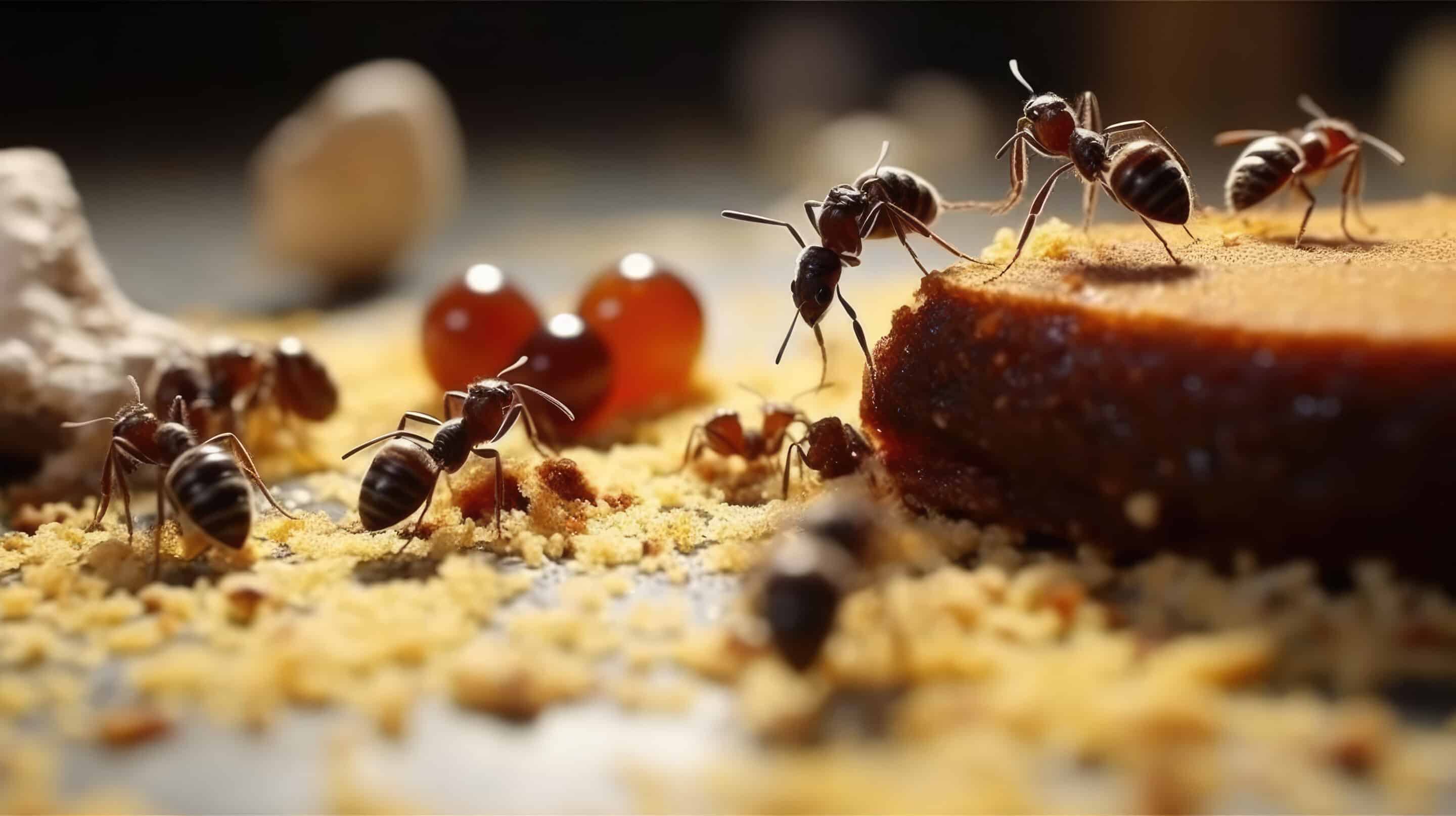
Ants navigate by pheromone trails, so once they locate a breach, the whole colony can exploit it. Common structural access points include:
- Foundation cracks and mortar gaps
- Unsealed utility penetrations for cables and pipes
- Door bottoms without effective sweeps
- Worn weatherstripping at exterior doors
- Window screen tears and loose frames
- Weep holes and siding-to-foundation gaps
- Openings in crawlspace vents and drains
While sanitation reduces what attracts ants once they’re inside, exclusion prevents access in the first place. By sealing entry routes with the right caulk, backer rod, gaskets, and screens—and by repairing moisture-prone areas that expand gaps—you disrupt pheromone highways and stop repeat incursions at their source.
Why Ant Exclusion Matters In Georgia Homes
Georgia’s climate accelerates wear and tear on building envelopes, opening pathways ants exploit.
Key conditions that impact exclusion:
- Short, mild winters limit natural sealing cycles
- Extended warmth keeps ants scouting year-round
- High humidity swells wood and loosens joints
- Frequent rain drives ants to seek dry interiors
- Mulch and dense landscaping conceal wall gaps
- Abundant utilities and retrofits create penetrations
From slab edges to siding transitions and window assemblies, diverse ant species in our region capitalize on tiny openings. Comprehensive sealing tailored to local building materials keeps these access points closed despite seasonal movement.
Key Ant Entry Points To Seal In Georgia
Sealing Around Wood and Moisture-Prone Areas
Areas with chronic moisture—soffits, eaves, fascia, and trim near plumbing or roof leaks—are prime entry zones. Ants follow softened seams and hairline gaps into voids behind siding and framing.
Targeted exclusion steps:
- Replace rotted or water-damaged trim and sheathing
- Correct leaks and install proper ventilation to reduce humidity
- Use backer rod and high-quality silicone or polyurethane sealant for wide joints
- Secure soffit panels and seal junctions at rafters and eaves
- Prune branches and remove contact points that bridge to the structure
By restoring dry, tight assemblies and sealing seams with flexible, exterior-grade products, you remove the pathways ants use to colonize wall and roof voids.
Foundation, Doors, and Ground-Level Exclusions
Ground-level gaps are the most common ant gateways. Focus on slab edges, expansion joints, door thresholds, and utility lines that enter at grade to stop trails before they cross the threshold.
Best-practice measures include:
- Seal foundation cracks with masonry-compatible sealants
- Install door sweeps and replace worn weatherstripping for tight closures
- Pack large gaps with backer rod before caulking to prevent shrink and split
- Screen weep holes and crawlspace vents with pest-rated guards that allow airflow
How Ants Squeeze Into Buildings
Ant exclusion starts with understanding their entry tactics—ants exploit hairline gaps, utility cutouts, and sheltered edges that let them travel unseen straight into kitchens, baths, and crawlspaces.
Moisture Pathways
- Leaky pipes, HVAC condensation, and damp basements widen micro-gaps
- Overwatered beds, clogged gutters, and dripping spigots soften seals
- Waterlogged or decaying trim invites carpenter ant exploration
Structural Gaps
- Unsealed cracks in foundations, slabs, and expansion joints
- Open weep holes or missing screens at brick and siding interfaces
Utility Penetrations
- Gaps around cables, gas lines, and AC linesets
- Unsealed plumbing escutcheons and drain lines
- Wire chases and conduit entries without tight seals
- Dryer vents and exhaust hoods missing fine mesh
Doors & Windows
- Worn door sweeps and absent thresholds leave floor-level gaps
- Failed weatherstripping and torn window screens
Bridging & Overgrowth
- Mulch mounded against siding creates concealed runways
- Warm, humid weather accelerates foraging along fence and edge lines
- Branches, trellises, and debris touching walls act as bridges
Physical Barriers That Stop Ants
Exclusion depends on durable seals and tight-fitting components that deny access.
Key hardware and materials Global Pest installs include:
- Silicone or polyurethane caulk for cracks and seams
- Backer rod to size deep joints for longer-lasting seals
- Door sweeps and adjustable thresholds
- Compression weatherstripping
- Fine-mesh window and vent screens
- Weep hole guards that maintain airflow
- High-density foam gaskets for outlets
- Rodent-proof but insect-tight vent covers
- Sealants for utility penetrations and sill plates
Where Entry Points Form—and How to Block Them
Ants rarely march through open doors; they trail along edges and slip through millimeter-wide voids.
Common failure zones begin at soil contact and climb the envelope where materials meet and movement occurs.
High-priority exclusion targets include:
- Foundation cracks and cold joints—clean and seal with polyurethane
- Expansion joints—install backer rod and flexible sealant
- Utility penetrations—fit sleeves and seal annular spaces
- Plumbing cutouts—use escutcheons and silicone caulk
- Humid crawl spaces—seal vents with screen and add door gaskets
- Vegetation contact—maintain clearances to prevent bridging
- Porch bases—repair rot and seal trim-to-foundation seams
- Deck posts—install barriers at soil and ledger interfaces
Inside, ants navigate along plumbing, wiring, and baseboards. Effective exclusion ties exterior sealing to interior touchpoints—foam or silicone at pipe passes, outlet gaskets, and tight thresholds—while Global Pest identifies each breach and installs the right barrier.
Clues Your Home Needs Ant Exclusion
Spotting structural vulnerabilities early lets you seal paths before trails establish.
Watch for:
Trail Patterns at Entry Points
When gaps exist, ants map perimeter edges and return in steady lines along:
- Foundation walls and slab edges
- Crawl space piers and sill plates
- Brick ledges and weep lines
- Concrete control joints
- Basement walls and utility chases
Stubborn trails indicate a persistent breach. Seal the opening, then have Global Pest verify the envelope and tighten remaining gaps.
Winged Ants Indoors
Seeing swarmers inside often means ants accessed voids through structural leaks or unsealed penetrations.
Swarms congregating near windows, lights, or damp trim suggest interior voids connected to exterior entry points. Outdoor swarms reflect nearby pressure and can overwhelm weak seals. Global Pest traces the swarm back to its access route, then recommends targeted exclusion—from sealing foundation cracks to installing door sweeps and weep hole guards.
Seal Food-Scent Pathways
Ants often enter after detecting faint kitchen odors that leak through tiny structural gaps. Blocking those micro-openings prevents scent plumes from drawing scouts to doors, windows, and utility lines.
High-priority sealing zones include:
- Gaps around trash closet thresholds
- Voids beneath and behind appliances
- Openings at baseboards near pet bowls
- Cracks along toe-kicks and trim seams
Moisture Control for Exclusion
Inspect for leaks, soft wood, or damp sills near kitchens, baths, and exterior walls before sealing.
Wet substrates expand and crack, creating new ant-size openings around foundations, siding, and penetrations. Drying the area first, repairing the source, and then sealing with the correct material keeps joints stable and tight. At Global Pest, we address moisture at rooflines, plumbing, and gutters to stop the cycle of swelling and separation that forms recurring entry gaps.
Hidden Dampness Behind Paint
Bubbling paint can signal trapped moisture that loosens caulk and allows ants to move behind finishes. Global Pest identifies the leak path, dries the cavity, and applies a durable exclusion seal so ants can’t use those concealed channels along pipes and wiring to reach kitchens and baths.
Tighten Doors and Windows
Loose weatherstripping, missing door sweeps, and warped frames leave just enough clearance for ants to enter. We install fitted door sweeps, replace worn weatherstripping, and seal frame-to-siding joints so thresholds and sills no longer act as predictable ant corridors.
Can I Handle Ant Exclusion Myself?
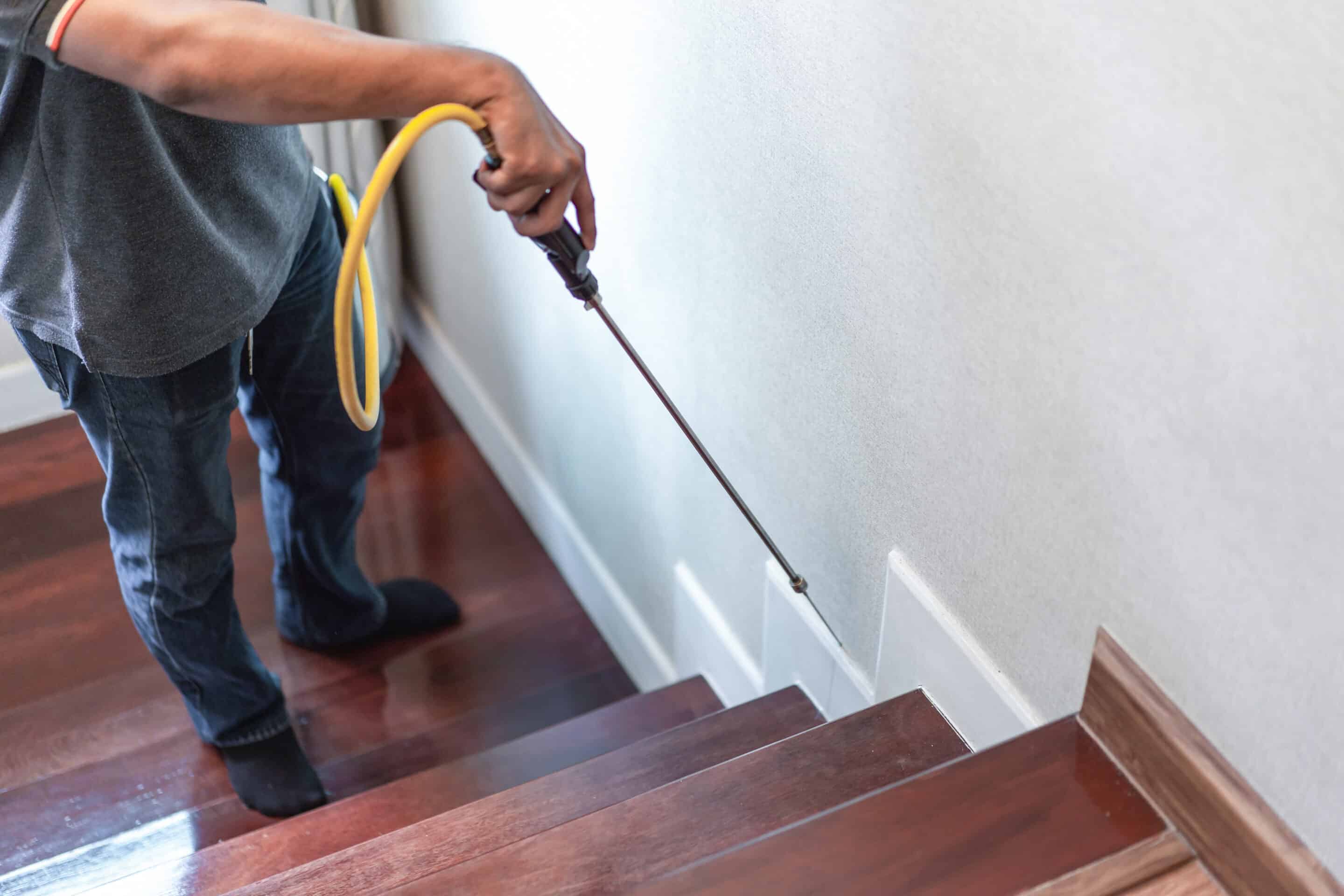
Basic steps like adding a door sweep, caulking a visible crack, or fixing a drip can help. But lasting ant exclusion typically requires a systematic inspection, moisture correction, and the right sealants and hardware for each gap size and material.
Professional exclusion from Global Pest often includes:
- Precision sealing with backer rod and silicone
- Door sweeps and weatherstripping upgrades
- Screen fixes and weep hole guards
- Utility penetration sealing and escutcheons
- Foundation and siding joint remediation
- Follow-up inspections to verify closure
University and extension guidance emphasizes that successful ant exclusion depends on identifying every active entry point—often hidden behind finishes or in crawlspaces. Global Pest pairs building-envelope diagnostics with trade-grade materials to close those routes and keep ants out. For treatment options, see our related ant control pages; here, our focus is stopping entry at the structure.
Professional Exclusion Measures That Work
Based on your property, Global Pest may recommend:
Sealing Cracks and Penetrations
Silicone or elastomeric caulk with backer rod at foundation cracks, siding joints, and utility entries.
Door Sweeps and Weatherstripping
Install brush or vinyl sweeps, adjust thresholds, and replace worn gaskets to remove floor-to-door gaps ants routinely use.
Screens and Weep Hole Guards
Repair torn window screens and add corrosion-resistant guards to weep holes while maintaining ventilation.
Crawlspace and Drain Considerations
Seal rim joist gaps, install tight-fitting access doors, screen foundation vents, and add drain screens to eliminate low, hidden ant entry routes; then re-inspect to confirm complete exclusion.
How to Reduce What Attracts Ants
Exclusion works best when entry points are sealed and the pull factors are removed. Tightening the building envelope now is far cheaper than chasing interior trails or repairing moisture-damaged trim later.
Focus on these steps:
- Eliminate food residues that draw scouts, then seal baseboard gaps and trim joints where trails typically develop.
- Fix plumbing drips and insulate sweat-prone pipes; caulk around sink rims and tub surrounds to cut off moisture access.
- Prune branches and shrubs away from siding so ants can’t bridge onto soffits, vents, or eaves.
- Pull mulch back 6–12 inches from the foundation and install a clean, dry buffer that discourages foraging to the wall.
- Store firewood on racks and off the house, and cap the ends with a cover that doesn’t contact siding.
- Remove rotting logs and stumps, then seal nearby foundation cracks that provide direct access.
- Keep gutters and downspouts clear; extend splash blocks so the foundation wall and crawlspace stay dry.
- Seal utility penetrations with silicone caulk and backer rod; break exterior contact points like fence rails or trellises touching the house.
- Install door sweeps, replace worn weatherstripping, and caulk window/trim joints to stop tiny entry gaps.
- Book annual exclusion checks with a pro who can spot fresh settlement gaps, failed sealants, and new utility routes.
When Are Ants Most Drawn to Homes in Georgia?
Exclusion timing matters. Seasonal weather shifts open and close gaps as materials expand, contract, and get saturated.
In practice:
- When temperatures hold above 55–60 F, ants stay active, exploiting door thresholds, slab cracks, and utility penetrations that haven’t been sealed.
- Spring rains and warming temps swell wood and wash debris into weep holes—prime time to install weep hole guards and renew caulking.
- During hot, wet, or droughty summers, ants seek conditioned air and reliable moisture, slipping beneath worn sweeps, loose weatherstripping, and foundation-to-siding gaps.
Frequently Asked Questions
What attracts ants?
Food and moisture set the stage, but access is what allows an invasion. Unsealed utility lines, foundation cracks, gaps under doors, and torn screens turn outside interest into indoor traffic.
Can ants damage a house?
Yes. Beyond nuisance trails, carpenter ants can exploit wet wood and voids, while ongoing moisture around unsealed penetrations can accelerate structural deterioration.
How long does it take ants to become a serious problem?
If an access gap exists, recruiting can snowball in days. Structural concerns develop over months when small openings around siding, fascia, or plumbing are left unsealed.
Can ants come back after treatment?
Absolutely. Without exclusion—fresh caulk, new door sweeps, and sealed penetrations—new scouts will find their way back even after other controls.
Will homeowners insurance cover ant damage?
Typically no. Insurers view pest entry and related deterioration as preventable maintenance, making proactive sealing and moisture control essential.
Should I buy a home without an ant inspection?
Not wise. A pre-purchase assessment can reveal exclusion gaps—unprotected weep holes, failed weatherstripping, and foundation cracks—common in Georgia’s climate.
What is an ant protection plan?
It’s a scheduled program combining inspections with ongoing exclusion upkeep. Expect door sweep and weatherstripping checks, sealant maintenance, screen repairs, and recommendations that keep the envelope tight.
Are ants worse after heavy rain?
Often. Storms can flood nests and push ants to higher, drier ground—through gaps around thresholds, siding joints, and unguarded weep holes—if they’re not sealed.
How can I tell flying ants from termites?
Flying ants have elbowed antennae, a narrow waist, and uneven wings (front pair longer). Termites show straight antennae, a uniform waist, and two equal wing pairs—both can exploit unsealed openings if not addressed.
Stop Ants by Removing What Attracts Them
Physical exclusion is the foundation of lasting control. By sealing cracks and utility penetrations, installing door sweeps and weatherstripping, repairing screens, and guarding weep holes, you remove the pathways ants use to reach interior food and moisture.
If you’ve noticed lines of foragers, winged ants around windows, or activity along baseboards and sill plates, the experienced team at Global Pest Management can help. We inspect from foundation to roofline, identify access points, and implement a targeted exclusion plan designed for Georgia homes.
Schedule your ant inspection today so we can seal the entry pathways ants use and keep them out for good.
Where Do Ants Get In? Key Entry Points
Focus your exclusion efforts on:
- Hairline cracks in foundations, slab joints, and mortar lines
- Gaps around utility penetrations: cable, gas, electrical, and AC lines
- Unsealed pipe chases, drain escutcheons, and under-sink openings
- Door bottoms without sweeps and worn weatherstripping
- Window frames, torn screens, and weep holes lacking guards
- Siding-to-foundation junctions and expansion gaps along slabs
- Soffit and fascia gaps, attic vents, and crawlspace vents
- Settled thresholds, utility closets, and cluttered voids that hide trails
Effective ant exclusion starts with a methodical inspection to map trails back to these structural openings. Global Pest identifies each access point and applies the right exclusion materials—silicone or polyurethane sealants, backer rod, door sweeps, and screen repairs—so scouts can’t reestablish entry and recruit the colony.
Why Ant Exclusion Matters
Blocking entry points reduces indoor activity at the source, protecting kitchens, living areas, and work spaces without relying solely on treatments.
When structural gaps remain open, ants re-enter quickly after baits or sprays. Strategic sealing, door sweeps, and weatherstripping break this cycle and help safeguard moisture-prone areas from ongoing pressure.
Proper exclusion helps protect:
- Baseboards, trim, and window casings from hidden trails
- Electrical and HVAC penetrations that act as ant highways
- Patios, walkways, and entry thresholds
- Pantries and storage where small gaps invite foraging
- Play areas by sealing nearby slab and foundation cracks
Addressing entry points early—sealing cracks, tightening doors and windows, and screening vents—reduces future service needs and keeps ants from reestablishing trails inside.
