
AntInfestation
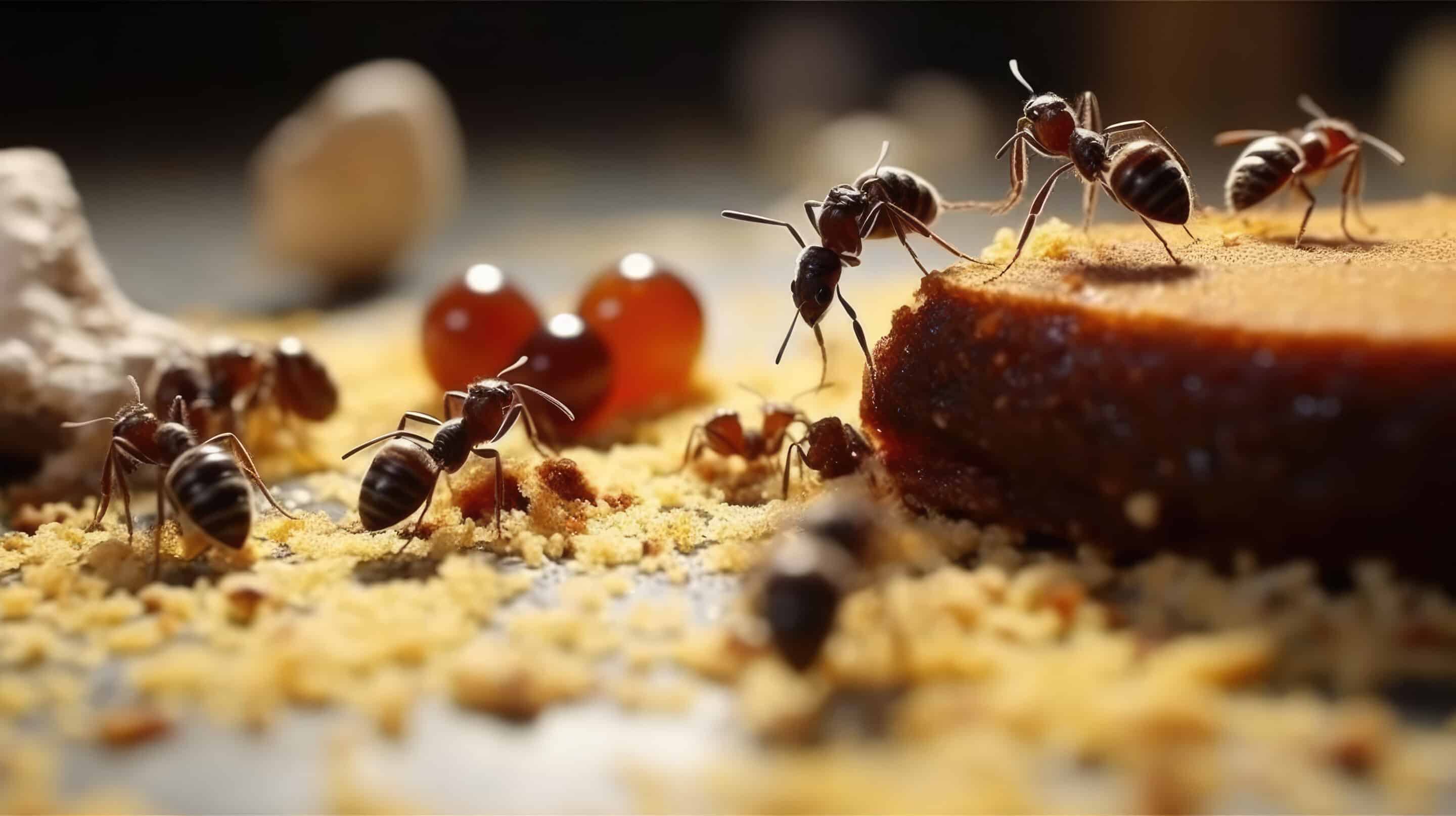
If ants are crisscrossing your floors or countertops, they’ve found something worth returning for. Even a few crumbs under an appliance, residue around a trash can, dripping pet water, or damp spots from a slow leak can fuel steady foraging. In Georgia’s warm, humid climate, food odors linger and moisture sticks around, so colonies build reliable highways along pheromone trails before most homeowners realize an ant infestation has taken hold.
The good news: once you identify what’s attracting them, you can disrupt the cycle—and when the problem is beyond DIY, trained technicians at Global Pest can locate the nest, target the colony, and help stop the activity at its source.
Whether you’re spotting lone scouts near a sink, winged swarmers by a window, outdoor trails along the foundation, or you want to prevent issues before they start, this guide covers why ants show up, what keeps them coming back, and practical steps to make your home far less inviting.
AntInfestation
Ants operate as coordinated colonies using pheromone trails to share directions to food, water, and nesting sites. Inside homes, the most common draws include:
- Sugary spills like syrups, jams, and soft drinks
- Greasy residues and protein-rich meats
- Pet kibble and scattered crumbs
- Overripe fruit and sticky juices
- Food film in trash and recycling bins
- Leaky plumbing and standing water
- Honeydew from aphids on houseplants
While ants play a role outdoors by turning soil and preying on pests, inside they quickly become a sanitation concern. Foraging workers contaminate food as they reinforce scent trails, and many species exploit damp voids behind walls or under sinks for shelter. Carpenter ants, in particular, favor moisture-damaged wood to carve nesting galleries, while sugar- and protein-feeding species surge wherever easy calories and water are available.
Why Ants Invade Homes
Georgia offers ideal conditions that amplify common ant attractants.
Several factors contribute to this:
- Short, mild winters keep colonies active
- Extended warmth prolongs foraging periods
- High humidity preserves scent trails
- Regular rain and irrigation create damp sites
- Mulch, soil types, and dense landscaping
- Abundant nectar, honeydew, and urban food waste
Argentine ants, odorous house ants, red imported fire ants, and carpenter ants are common here. Some pursue sweets and honeydew, others key in on proteins or damp, softened wood. With weather that favors nearly year-round activity, infestations can persist unless the colony—and the conditions that support it—are addressed.
Common Triggers of Household Ant Infestations
Carpenter Ants: Risks and Moisture Draws
For carpenter ants, excess moisture is the headline issue. They target softened or decayed wood created by leaks, poor ventilation, or long-term humidity rather than sound lumber.
Key lures include:
- Water-damaged or decayed wood and voids
- Persistent leaks and excess humidity
- Soft galleries where they can nest (they don’t eat wood)
- Large, stable sites for parent and satellite nests
- Tree limbs, eaves, and lines that bridge access to damp areas
To discourage carpenter ants, correct moisture problems, replace compromised materials, trim vegetation touching the structure, and seal entry gaps so workers can’t establish satellite nests inside.
Fire Ants: Yard Risks and Food Sources
While primarily an outdoor pest, red imported fire ants are a frequent source of lawn and landscape infestations across the Southeast, favoring sunny, open areas, irrigated turf, and disturbed soils near human activity.
Compared to many native ant species, they are drawn to:
- Sun-warmed, open ground with minimal shade
- Moist, well-drained soils after rains for rapid mound building
- Protein sources and food scraps near people and pets, increasing sting encounters
- Integrated, professional baiting and mound treatments for lasting relief
Everyday Attractants Indoors and Outdoors
Ant infestations build where the basics are easy to find—consistent moisture, dependable food, protected nesting spots, and safe travel corridors guided by pheromone trails.
Moisture Problems
- Leaky pipes, HVAC condensation, and damp basements
- Overwatered landscaping, clogged gutters, dripping spigots
- Wet or decaying wood that appeals to carpenter ants
Sugars and Carbohydrates
- Soda spills, fruit, syrups, jams, and baked goods
- Honeydew from aphids and nectar feeders near windows
Proteins and Grease
- Grease splatter, meat drippings, cooking oils
- Pet food left out overnight or in garages
- Dead insects and crumbs under appliances
- Trash bags, grill trays, and compost bins
Shelter, Warmth, and Nest Sites
- Mulch beds, stacked wood, voids under slabs
- Insulated walls and appliances that radiate heat
Pheromone Trails and Weather Shifts
- Pheromone trails magnify even tiny spills
- Warm, humid days trigger heavy foraging
- Debris and plants touching siding create bridges to food
Food Sources That Invite Ants
Ant diets shift by species and season—some chase sweets, others seek fats and protein.
Around homes, the biggest food lures include:
- Sticky juice, soda, honey, and jam residues
- Open pet bowls and kibble crumbs
- Grease splatter and meat drippings
- Birdseed and stored seeds
- Cereal, rice, and pantry grains
- Honeydew from aphids
- Dead insects
- Unsealed trash and compost
- Plant sap and overripe fruit
How Food and Moisture Lead Ants Inside
Ants don’t wander in by chance—scouts follow pheromone cues back to dependable food and moisture.
Most invasions start where soil meets structure and tiny openings align with damp, food-accessible areas.
Attraction hot spots and entry points include:
- Foundation cracks that trap moisture
- Expansion joints collecting crumbs
- Utility penetrations with condensation
- Plumbing openings near leaks
- Humid crawl spaces
- Vegetation or mulch touching siding
- Porch supports with damp wood
- Deck posts contacting soil
Inside, foragers track along edges, plumbing, and wiring to kitchens and baths; carpenter ants key in on wet wood, and branches or cables create highways—Global Pest identifies nests, shuts down trails, and addresses the conditions drawing them in.
Warning Signs You’re Drawing Ants
Spotting early indicators lets you remove lures before colonies expand and establish satellite nests.
Watch for:
Visible Foraging Trails
When ants locate resources, workers create steady lines by reinforcing pheromone paths along:
- Foundation walls
- Crawl space piers
- Brick
- Concrete
- Basement walls
Persistent lines point to a strong attractant; eliminate the food or moisture source, then have Global Pest deploy targeted baits and barrier treatments for long-term control.
Winged Ants Indoors (Swarmers)
During warm, humid weather, winged reproductives emerge, often drawn to porch lights, window glow, and indoor humidity.
Finding swarmers inside suggests a mature colony nearby and usually a moisture issue or hidden voids near windows or baths. Outdoor swarms indicate local nesting pressure and seasonal expansion. Global Pest can confirm whether the activity signals a structural risk, identify the species, and outline the right treatment timeline.
Sticky Spills and Sweets
A single ring of soda, a drip of honey, or a splash of juice can broadcast pheromone-rich scent cues that scouting ants lock onto and trail straight into your home.
Common hotspots include:
- Sticky trash and recycling bins
- Under kitchen appliances
- Pet feeding areas
- Along sticky baseboards
Leaks, Damp Wood, and Rot
Inspect for dripping pipes, soggy trim, or spongy sills near kitchens, baths, crawl spaces, and exterior doors.
Consistent moisture is a magnet for ants. Wet materials raise humidity, soften wood fibers, and create protected travel corridors, which can encourage species such as carpenter ants to nest in damp areas and send out foraging workers. Leaks from roofs, plumbing, and overflowing gutters also concentrate residues that attract ants, allowing pheromone trails to expand and persist around the damp zone.
Hidden Moisture Behind Paint
Bubbling, peeling, or blistered paint often signals hidden moisture—exactly the conditions ants exploit for water and shelter. They’ll travel through the softened substrate and along utility chases behind walls, converging on kitchens and bathrooms where condensation and food odors reinforce active trails.
Drafty Gaps at Doors and Windows
Worn weatherstripping, missing sweeps, and warped frames create tiny entry points that let scent plumes escape and invite scouting ants inside. Once workers find crumbs or grease near thresholds, they lay trail pheromones, turning these gaps into reliable highways for the colony.
Can I Reduce Attractants Myself?
Improving sanitation, sealing entry points, repairing leaks, and storing food in airtight containers will reduce the signals that draw ants. However, entrenched infestations—especially those with satellite nests or shifting sugar/protein needs—are hard to eliminate without an integrated plan that targets the entire colony.
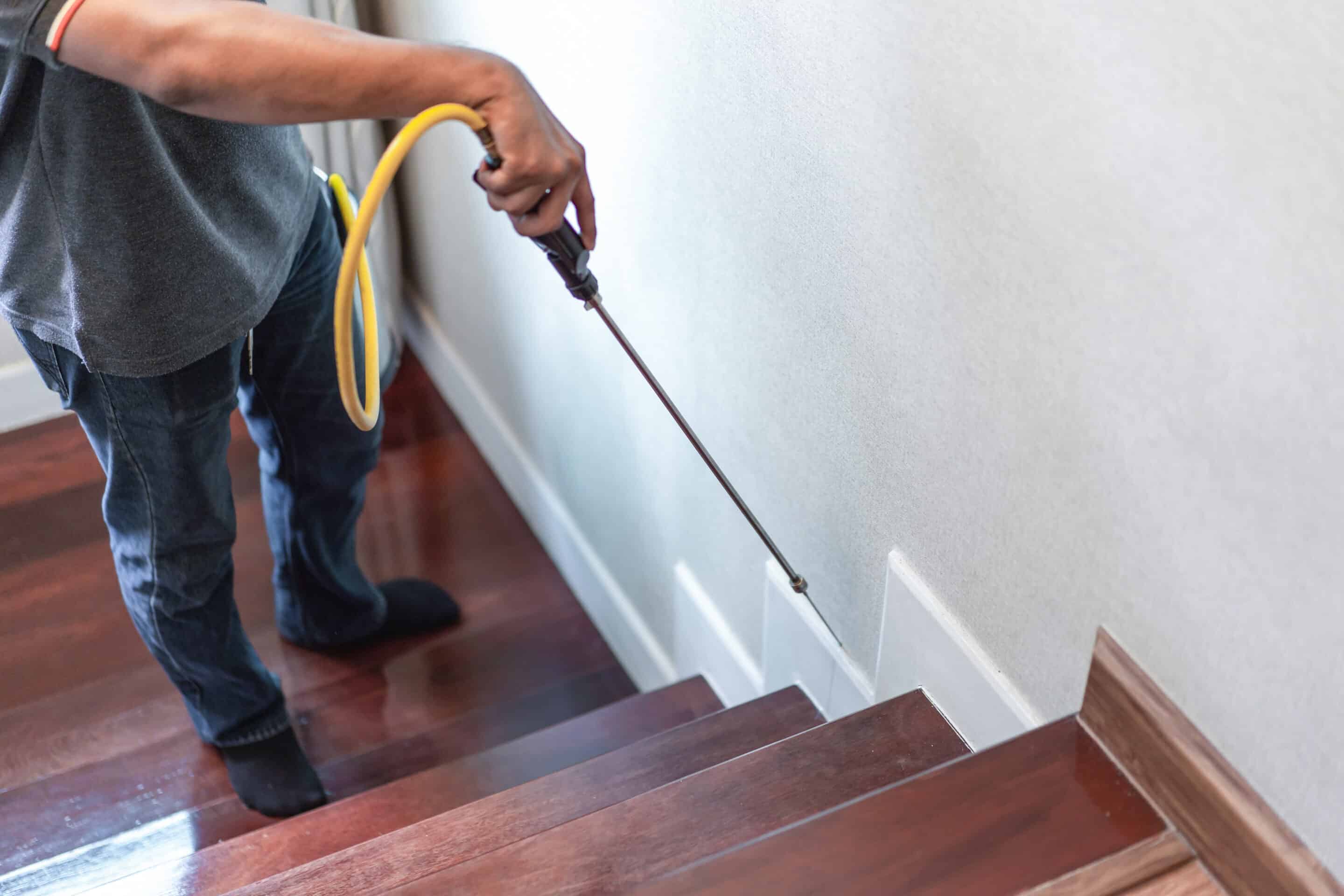
Professional ant control typically involves:
- Precision application tools
- Exterior perimeter applications
- Non-repellent formulations
- Strategic bait programs
- Advanced inspection expertise
- Long-term follow-up
Extension research shows structural ant issues are seldom a simple DIY fix because nests and attractants are concealed behind finishes and in exterior landscapes. Global Pest uses professional diagnostics and materials homeowners can’t access to identify species, remove food and moisture lures, place baits effectively, disrupt pheromone trails, and drive colony-level elimination.
When to Call a Pro for Ant Control
Depending on your property, solutions may include:
Residual Perimeter Sprays (Limits and Uses)
Applied along foundations, cracks, and utility penetrations to intercept foragers with non-repellent barriers.
Ant Bait Stations and Gel Baits
Placed on active trails and matched to current dietary preferences so workers move slow-acting bait back to the nest for thorough bait transfer and colony impact.
Targeted Spot Treatments
Focused applications in wall voids, around plumbing lines, and at damp framing where activity concentrates.
Follow-Up and Monitoring
Seasonal inspections, bait rotation, and sanitation guidance help detect new trails early and remove attractants before infestations expand.
Step-by-Step Ways to Cut Attractants
Cutting off the food, water, and shelter that fuel ant colonies is far cheaper than fighting recurring infestations or correcting moisture issues ants exploit.
Focus on these steps:
- Clean up spills, sweet residues, oils, and crumbs immediately so foragers can’t lay pheromone trails.
- Fix leaks and condensation; dry sinks, showers, and pet bowls before bedtime.
- Trim shrubs and branches away from siding to eliminate bridges and sugary sap sources.
- Pull mulch and dense groundcovers several inches back from the foundation to lower humidity and harborage.
- Store firewood and lumber off the ground and away from the home to reduce nesting sites.
- Remove rotting stumps and logs that draw moisture-loving species, including carpenter ants.
- Keep gutters and downspouts clear so water sheds properly and attics/crawlspaces stay dry.
- Seal utility lines and gaps; eliminate exterior contact points such as fence rails and climbing vines.
- Add weatherstripping and door sweeps; caulk cracks to block access to food and moisture.
- Arrange annual inspections and monitoring with a professional who can identify conducive conditions early.
Seasonal Patterns and Weather Effects
Warm months get the headlines, but ant activity shifts with temperature, rainfall, and available food.
In practice:
- When outdoor temps stay above roughly 55–60 F, workers forage year-round for moisture, proteins, sugars, and safe nesting areas.
- Spring warmth boosts nectar and honeydew, triggering swarms and more scouts probing kitchens and patios.
- Hot, rainy, or drought conditions in summer can push ants indoors to find cooler spaces, reliable water, and stable food near baths, kitchens, and slab edges.
Ant Infestation FAQs
What draws ants into a house?
Ants follow trail pheromones to dependable resources. Sticky residues, grease and protein drips, ripe fruit, pet food, and open trash draw workers inside, while plumbing leaks, condensation, and damp crawlspaces keep colonies close. Outdoors, honeydew from aphids, thick mulch, and protected gaps beneath slabs, timbers, or stones encourage nesting and satellite colonies.
Can ants damage a home?
Yes. Carpenter ants excavate damp wood to form galleries, weakening sills and frames over time. Certain species also invade electrical components or HVAC housings, risking shorts and failures; fire ants pose distinct outdoor hazards.
How fast can an ant problem escalate?
Given a steady food or water source, foragers can recruit hundreds within days. Structural impacts from carpenter ants typically develop over months or longer, especially where chronic moisture hides activity inside wall voids or framing.
Why do ants return after treatment?
They can. If sanitation lapses, moisture persists, or entry points remain, new scouts will arrive. Durable control pairs exclusion and hygiene with non-repellent barriers and baits that transfer through the colony.
Does insurance cover ant or carpenter ant damage?
Generally no. Insurers treat insect activity as a maintenance issue, so infestations and related damage are excluded unless a covered peril directly caused the condition.
Should I purchase a home without an ant inspection?
It’s risky. A pre-purchase evaluation can reveal moisture problems, hidden trails, and carpenter ant conducive areas before closing—especially important in Georgia’s humid climate.
What is an ongoing ant protection plan?
A plan bundles scheduled inspections, preventive applications, and return visits if activity is detected. Depending on the home, this may include targeted interior baiting, exterior non-repellent perimeter treatments, granular baits, and exclusion guidance.
Do ant problems spike after heavy rain?
Often. Flooded nests and concentrated honeydew push colonies to higher, drier ground and into structures seeking stable food and moisture.
How do I tell flying ants from termites?
Flying ants have elbowed antennae, a pinched waist, and larger front wings than hind wings. Termites show straight antennae, a thick, uniform waist, and two equal-length pairs of wings.
Stop Ants by Fixing Attractants
Ants can nest in walls, foundations, and landscapes, but they travel where resources lead. Finding and eliminating attractants—food, water, and shelter—while combining exclusion, sanitation, strategic baiting, and non-repellent treatments provides lasting, colony-level control.
If you’ve noticed steady trails, winged swarmers, soil mounds, or sawdust-like frass from carpenter ants, the experienced team at Global Pest Management is ready to help. We identify entry points and moisture issues, conduct thorough inspections, and tailor ant treatment programs for Georgia homes and yards.
Schedule your ant inspection today so we can remove the conditions ants rely on and stop colonies from expanding.
What’s Bringing Ants into Your Home
Common attractants include:
- Sugary residues, crumbs, and uncovered snacks along counters and floors
- Open pet bowls, stored kibble, and seed feeders that spill onto patios
- Trash, recycling, and compost that contain food scraps or sticky liquids
- Overripe fruit, juice film, and sweet drink spills in sinks or dishwashers
- Dripping faucets, damp basements, and elevated indoor humidity
- Thick mulch, groundcover against foundations, or soil contacting siding
- Branches, vines, or utility lines touching the home; plants with aphids
- Unsealed door sweeps, utility penetrations, and cluttered storage areas
Ant species favor different resources: odorous house ants and Argentine ants pursue sugars and honeydew; pavement ants target proteins and oils; carpenter ants seek moist voids to nest. Removing these food and moisture sources disrupts pheromone trails, reduces foraging, and limits colony recruitment.
Health and Property Risks from Ants
Most home-invading ants are primarily a nuisance, yet they can foul food, spread bacteria across surfaces, and some species will bite or sting when disturbed.
Problems escalate when conditions favor colonies: carpenter ants exploit wet, decayed wood and can weaken structural elements, while fire ants in lawns pose painful stinging hazards in play areas and around foundations.
Serious infestations can impact:
- Water-damaged framing and trim
- Wiring, junction boxes, and HVAC cabinets
- Turf, garden beds, and walkways
- Pantries and food storage
- Pets and children outdoors
Tackling root causes early—sanitation, moisture correction, and sealing entry points—helps prevent property damage, health concerns, and the need for repeated ant treatments.
