
AntPrevention
If ants keep showing up, prevention starts with removing what draws them in the first place. Sticky residues on counters, unsealed snacks, pet bowls left out, dripping faucets, and honeydew on landscaping plants all provide reliable food and moisture. In Georgia’s warm, humid climate, these resources linger, allowing ants to expand trail networks indoors and outside long before most homeowners notice.
The good news: by learning which habits invite ants, you can break the cycle with everyday prevention. And when you need help tightening up your routine or addressing stubborn pressure, trained technicians at Global Pest can pinpoint risk areas and reinforce your prevention plan.
Whether you’ve seen a few scouts along the backsplash, swarmers near a window, tiny soil mounds along the foundation, or you simply want to stay ahead of the next season, this guide covers practical ant prevention—what causes activity, how to remove attractants, and the steps that keep your home far less appealing year-round.
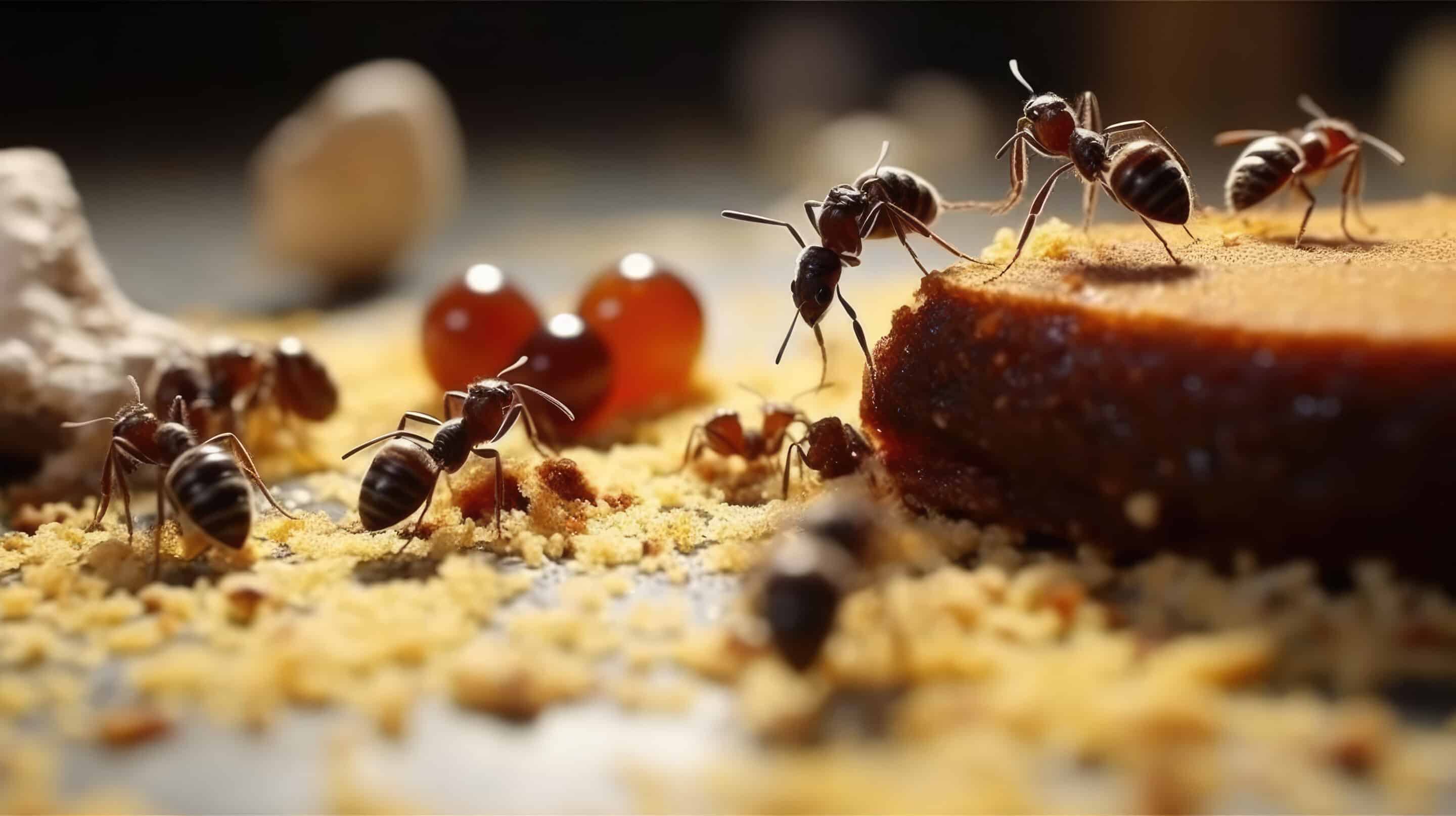
How to PreventAnts
Ant prevention focuses on controlling the three things colonies seek most: food, water, and access. Inside the home, target these risk areas:
- Clean sugary spills from syrups, jams, and soft drinks immediately
- Degrease cooktops and dispose of meat scraps promptly
- Store pet kibble in airtight bins and sweep crumbs daily
- Refrigerate ripe fruit and wipe away juice rings
- Rinse trash and recycling containers to remove food film
- Repair leaks and eliminate standing water
- Manage houseplant pests that create honeydew
While ants play a role outdoors, their drive to follow scent trails into kitchens, baths, and wall voids becomes a nuisance indoors. Moisture problems invite wood-nesting species, and open food invites sugar- and protein-seekers. A consistent sanitation routine, moisture control, and sealing gaps cut off those rewards and prevent trails from ever establishing.
Why Preventive Habits Keep Ants Out of Georgia Homes
Georgia’s climate amplifies the need for ongoing ant prevention habits.
Key reasons to stay proactive:
- Short, mild winters keep colonies foraging
- Extended warmth increases food-seeking hours
- High humidity helps preserve pheromone trails
- Frequent rain and irrigation create damp harborage
- Dense mulch and vegetation provide cover
- Abundant nectar and urban food waste supply calories
Because activity can persist most of the year, prevention should be a routine: tighten food storage, control moisture, maintain landscaping, and close up entry points. If you need guidance tailoring these steps to your home, Global Pest can help you prioritize high-impact changes.
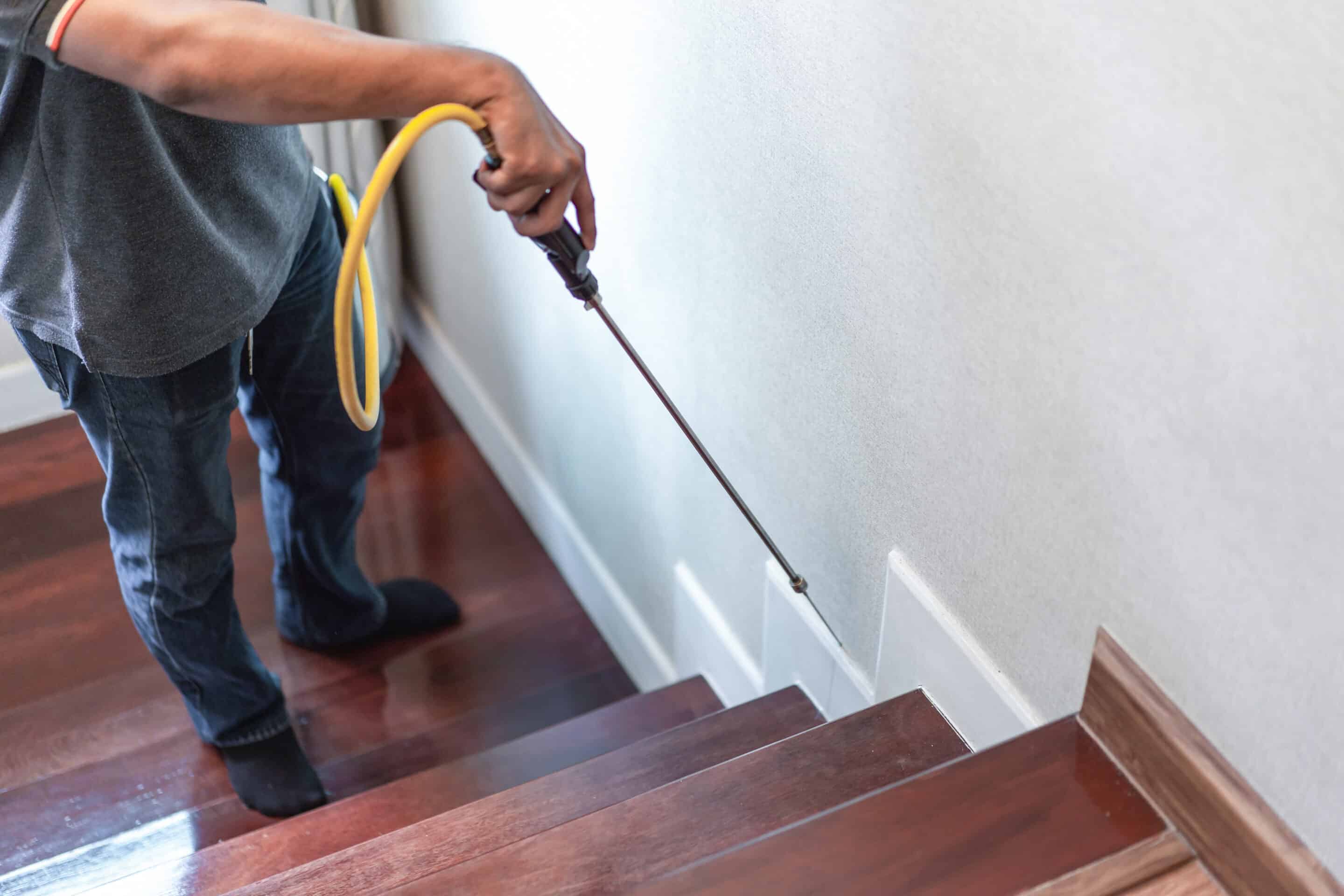
Core Home Practices to Block Future Ant Activity
Moisture Control and Leak Repairs to Prevent Ant Nesting
Preventing carpenter ant activity starts with drying out problem areas and eliminating softened wood that invites nesting.
Focus your efforts on:
- Replacing water-damaged trim, sills, and sheathing
- Fixing chronic leaks and venting bathrooms/attics
- Drying voids so softened galleries can’t develop
- Reducing cluttered voids that support satellite nests
- Trimming branches and sealing routes that bridge to damp areas
Keep gutters clear, extend downspouts, maintain caulk around windows and plumbing, and use dehumidifiers where needed—these steps make your home far less attractive to carpenter ants.
Yard Care, Trash, and Compost Habits to Limit Fire Ants
While fire ants often remain outdoors, prevention around the yard helps limit encounters and pressure at the foundation. Keep turf healthy, reduce excess moisture, and avoid creating disturbed, sunny zones near play areas.
Helpful outdoor prevention steps include:
- Minimize bare, sun-baked soil by maintaining dense turf
- Correct drainage and avoid overwatering that softens soil
- Secure trash, clean up food after gatherings, and manage pet feeding outdoors
- Consult Global Pest for targeted recommendations if mounds persist
Everyday Factors That Invite Ants Indoors and Outside
Preventing ants starts with removing the reasons they come. Colonies scout for dependable water, easy calories, tight shelter sites, and safe travel lanes that let them forage without interruption.
Household Moisture Sources to Fix First
- Leaky pipes, HVAC condensation, and damp basements
- Overwatered landscaping, clogged gutters, dripping spigots
- Wet or decaying wood that appeals to carpenter ants
Sugary Residues and Pantry Items to Secure
- Soda spills, fruit, syrups, jams, and baked goods
- Honeydew from aphids and nectar feeders near windows
Grease, Protein Spills, and Pet Food Management
- Grease splatter, meat drippings, cooking oils
- Pet food left out overnight or in garages
- Dead insects and crumbs under appliances
- Trash bags, grill trays, and compost bins
Cluttered Gaps and Cozy Harborage Spots
- Mulch beds, stacked wood, voids under slabs
- Insulated walls and appliances that radiate heat
Weather Shifts and Scent Trails You Can Disrupt
- Pheromone trails magnify even tiny spills
- Warm, humid days trigger heavy foraging
- Debris and plants touching siding create bridges to food
Common Foods and Crumbs That Draw Ants
Prevention hinges on denying easy meals to scouting workers.
Around homes, the biggest food lures include:
- Sticky juice, soda, honey, and jam residues
- Open pet bowls and kibble crumbs
- Grease splatter and meat drippings
- Birdseed and stored seeds
- Cereal, rice, and pantry grains
- Honeydew from aphids
- Dead insects
- Unsealed trash and compost
- Plant sap and overripe fruit
Pathways Ants Use from Yard to Kitchen
Ant prevention is less about closed doors and more about removing scents and moisture that guide foragers inside.
Most incursions start at grade where small gaps line up with damp areas and food residues, creating predictable highways.
Attraction hot spots and entry points include:
- Foundation cracks that trap moisture
- Expansion joints collecting crumbs
- Utility penetrations with condensation
- Plumbing openings near leaks
- Humid crawl spaces
- Vegetation or mulch touching siding
- Porch supports with damp wood
- Deck posts contacting soil
Indoors, ants follow edges, pipes, and wires to kitchens and baths; moisture-softened wood is especially vulnerable. Trimming branches and managing cables reduces bridges—Global Pest helps locate and correct these risk factors.
Early Clues You’re Encouraging Ants
Spotting draw factors early keeps ants from establishing trails and satellite nests.
Watch for:
Tracing and Interrupting Foraging Lines
When food or water is nearby, steady ant lines often form along:
- Foundation walls
- Crawl space piers
- Brick
- Concrete
- Basement walls
Persistent lines signal a strong attractant; clean up residues, dry the area, and close gaps. If trails return, Global Pest can advise next steps or cross-reference exclusion measures.
When Winged Ants Appear and What It Means
Warm, humid conditions can send winged ants toward lights and windows, especially where moisture and shelter persist.
Seeing swarmers indoors suggests conditions that favor colonies—often elevated humidity or light leaks at sills—and may indicate a hidden nest. Outdoor swarms reflect local population pressure and seasonal cycles; Global Pest can assess why your property is appealing and share prevention steps to reduce future activity.
Cleaning Up Syrups, Juices, and Dessert Crumbs
Tiny sugar residues create powerful scent trails. Wipe up juice rings, melted popsicle drips, and syrup splashes immediately to prevent scouts from recruiting more ants.
Clean these areas daily:
- Sticky trash and recycling bins
- Under kitchen appliances
- Pet feeding areas
- Along sticky baseboards
Damp Wood, Leaks, and Soft Rot Issues
Inspect for drips, soft wood, or swollen trim around sinks, tubs, and exterior walls.
Ant prevention starts with moisture control. Consistent dampness boosts indoor humidity and softens building materials, making ideal travel paths and nest sites. Repair leaking pipes, unclog gutters, and redirect downspouts so water moves away from the foundation. Dry out wet areas within 24–48 hours and replace rotted wood to remove long-term moisture cues that keep trails active.
Peeling Paint with Hidden Moisture Pockets
Bubbling or peeling paint signals trapped moisture. Ventilate bathrooms and kitchens, seal tile and grout, and fix wicking drywall to remove hidden damp layers ants use as protected corridors. Trace the leak to its source and fully dry the cavity before repainting to prevent future foraging along those routes.
Door, Window, and Utility Gap Sealing
Seal entry points to stop trails before they start. Install tight-fitting weatherstripping, door sweeps, and fresh bead caulk around casings. Keep thresholds clean of crumbs and grease so returning foragers don’t reinforce pheromone paths along these high-traffic edges.
DIY Prevention: Habits That Make Your Home Uninviting
Yes—daily prevention matters. Build a sanitation routine, store food in airtight containers, repair leaks, and close gaps to remove the moisture and food signals ants follow. Consistency is key to breaking trails and preventing new ones from forming.
For stubborn activity, consider:
- Precision application tools
- Exterior perimeter applications
- Non-repellent formulations
- Strategic bait programs
- Advanced inspection expertise
- Long-term follow-up
While prevention reduces risk, entrenched colonies can persist out of sight. If you need more than habits and maintenance, Global Pest pairs targeted products with expert diagnostics to locate activity, interrupt trails, and keep conditions unfavorable for future ant pressure.
When to Call a Pro for Persistent Ant Issues
Depending on your property, solutions may include:
Exterior Barrier Treatments Explained
Applied at foundations and entry seams to discreetly interrupt foraging while you improve sanitation and sealing.
How Bait Stations Support Long-Term Control
Placed on mapped trails and adjusted to seasonal food preferences, supporting your prevention tasks like airtight food storage and moisture reduction.
Spot Treatments for Localized Hotspots
Focused applications near moisture problems, thresholds, or utility lines that ants routinely exploit.
Homeowner Monitoring and Follow-Ups
Seasonal checks, advice on yard pruning and mulch clearance, and recommendations for trash and pet feeding stations help prevent new ant activity.
Step-by-Step Guide to Reduce Ant Lures
Preventing the conditions that invite ants is the most cost‑effective way to keep them out, and it helps you avoid the moisture and wear that make homes vulnerable.
Focus on these steps:
- Clean up spills, crumbs, and cooking oils immediately so scouts can’t lay pheromone trails.
- Fix drips and sweating pipes; dry sinks, showers, and pet bowls before bed.
- Trim shrubs and tree limbs off siding to remove bridges and sap sources.
- Pull mulch and groundcovers back 6–12 inches from the foundation to reduce humid shelter.
- Store firewood on racks, elevated and away from the home, to limit nesting cover.
- Remove rotting stumps and logs that hold moisture and draw ants.
- Keep gutters and downspouts clear so water sheds away and voids stay dry.
- Seal utility penetrations and reduce exterior contact points like fence rails or vines.
- Add door sweeps, weatherstrip, and caulk gaps to cut off access to food and moisture.
- Arrange yearly prevention checkups and monitoring with a pro who can flag risk factors early.
Seasonal Checklists for Georgia Homeowners
Ant pressure isn’t limited to summer—seasonal weather and available resources dictate when they push indoors.
In practice:
- Above roughly 55–60 F, many colonies forage year‑round, tracking dependable food, moisture, and shelter.
- Spring brings nectar and honeydew plus winged flights, so more scouts test kitchens, patios, and garages.
- During hot, soggy, or droughty summers, ants head indoors for cooler, drier, and reliable moisture near baths, kitchens, and slabs.
Answers to Common Prevention Questions
Which Conditions and Foods Attract Ants?
Easy food and water. Sticky residues, oils, ripe fruit, pet food, and open trash draw scouts, while leaks, condensation, and damp crawlspaces keep activity nearby. Outside, honeydew from sap‑feeding insects, thick mulch, and protected voids under stones or timbers provide shelter.
Can Ants Harm Structures or Belongings?
Yes. Carpenter ants excavate damp wood, weakening sills and frames. Fire ants create hazardous mounds, and some species invade electronics or HVAC housings, causing failures.
How Fast Can a Small Issue Escalate?
If a steady resource remains, trail‑builders can mobilize hundreds in days. Structural issues from carpenter ants develop over months to years, especially where chronic moisture lets colonies expand unseen.
Why Ants Return and How to Stop Recurrence
They can. If food, water, and entry points persist, new scouts will return. Durable prevention pairs sanitation and exclusion with properly maintained barriers.
Does Insurance Cover Ant-Related Damage?
Usually not. Policies typically classify insect activity as a maintenance issue, so infestations and related damage are excluded unless a named peril applies.
Buying a Home: Do You Need an Ant Check?
It’s risky. A pre‑purchase pest inspection can spot moisture conducive to carpenter ants, hidden trails, and other red flags before closing—crucial in Georgia’s climate.
What Does an Ongoing Ant Prevention Plan Include?
A prevention plan sets a schedule for inspections, monitoring, and corrective steps if activity appears. Depending on the provider, it may include exterior perimeter work, interior baiting, and targeted exclusion advice.
Do Rains or Storms Increase Ant Activity?
Often. Flooded nests and concentrated honeydew push ants upward and inside as they seek dry, reliable resources.
Spotting Differences: Flying Ants vs. Termites
Flying ants have elbowed antennae, a narrow waist, and longer front wings than hind wings. Termites have straight antennae, a thick waist, and two equal‑length wing pairs.
Prevent Ants by Removing Everyday Lures
Ants follow resources first, then settle into wall voids, foundations, and landscapes. Prevention focuses on removing attractants—food, water, and shelter—while sealing entry points and maintaining a steady sanitation routine.
If you’re seeing steady trails, winged ants, soil mounds, or fine sawdust‑like frass, the experienced team at Global Pest Management can help. We identify risk factors, recommend practical home habits, and tailor prevention strategies for Georgia homes and yards.
Schedule your ant inspection today so we can eliminate the conditions ants prefer and keep new activity from taking hold.
Home and Yard Habits That Reduce Ant Pressure
Common attractants include:
- Films of sugar or grease, stray crumbs, and uncovered snacks on counters or floors
- Open pet kibble, spilled birdseed, and outdoor feeding areas without cleanup
- Trash, recycling, and compost bins that aren’t rinsed or tightly closed
- Overripe fruit, sticky beverages, and residue in sinks or dishwashers
- Drips from pipes, damp basements or crawlspaces, and excess humidity
- Thick mulch, groundcover touching foundations, and soil bridging to siding
- Tree branches or vines contacting the roof or walls; plants hosting honeydew-producing insects
- Gaps at door thresholds, utility penetrations, and cluttered storage that offers shelter
Ant prevention starts with removing the rewards. Sugary residues draw sweet-feeding species, protein and oil traces lure others, and persistent moisture invites nest building. Disrupting these resources cuts off trails, reduces forager recruitment, and makes your home far less appealing.
Health and Safety Considerations Around Ants
While most ants are primarily a nuisance, they can foul food, trigger sensitivities, and a few species will bite or sting when disturbed.
Risk increases when conducive conditions go unchecked: prolonged moisture allows wood-nesting ants to exploit softened materials, and aggressive stinging ants can establish mounds in lawns and play areas.
Serious infestations can impact:
- Rot-prone framing, trim, and window sills
- Electrical components, junction boxes, and HVAC enclosures
- Lawns, garden beds, pavers, and sidewalks
- Pantries, dry goods, and bulk storage
- Outdoor spaces used by kids and pets
Preventative habits—routine sanitation, fixing leaks, sealing entry points, and maintaining the yard—help you avoid property damage, health concerns, and repeat ant issues before they escalate.
