
Ant TreatmentCost
Wondering what ant treatment should cost? Pricing depends on what’s happening at your property—how many rooms are affected, whether trails return after cleaning, if you’re seeing winged swarmers near windows, or mounds along the lawn and driveway. In Georgia’s warm, humid climate, colonies stay active longer, which can increase the number of visits required and influence overall pricing.
The good news: with a clear assessment of the problem and scope, you can plan accurately. Global Pest provides transparent estimates that match the severity and service area, so you know what you’re paying for before any work begins.
This guide walks through what drives ant treatment cost, typical price ranges in our area, how one-time services compare to ongoing protection, and how Global Pest builds value with integrated approaches and clear warranties.

The Cost ofAnt Treatment
Ant treatment pricing isn’t one-size-fits-all. Technicians consider species, severity, square footage, and service scope to create a plan that actually solves the issue. Common cost drivers include:
- Species identified (e.g., sugar ants vs. carpenter ants)
- Level of activity and number of impacted rooms
- Home size and accessibility of problem areas
- Interior-only service vs. interior plus exterior perimeter
- Need for baiting, dusting, or targeted crack-and-crevice work
- Moisture or structural conditions requiring added time
- Follow-up visits and warranty length
Carpenter ant situations, which may involve moisture-compromised areas or wall voids, typically cost more than simple sugar ant trails because they require more time and specialty materials. Transparent scoping up front ensures you’re comparing like-for-like quotes and paying for corrective treatment rather than a quick spray that doesn’t address the colony.
Typical Ant Treatment Costs In Georgia
Local climate and species mix influence both scope and price.
Here’s what commonly affects pricing:
- Active seasons extend service needs and follow-ups
- Longer foraging periods can expand treatment zones
- High humidity sustains trails, requiring persistent control
- Rain patterns influence bait placement and timing
- Landscaping and mulch may require added perimeter work
- Urban food sources increase recurrence risk, affecting plans
For many Georgia homes, a one-time service for light to moderate sugar ant activity often falls in a lower range, while carpenter ant or widespread exterior activity can push pricing higher. Global Pest provides written estimates after inspection, so you’ll know the exact cost before treatment begins.
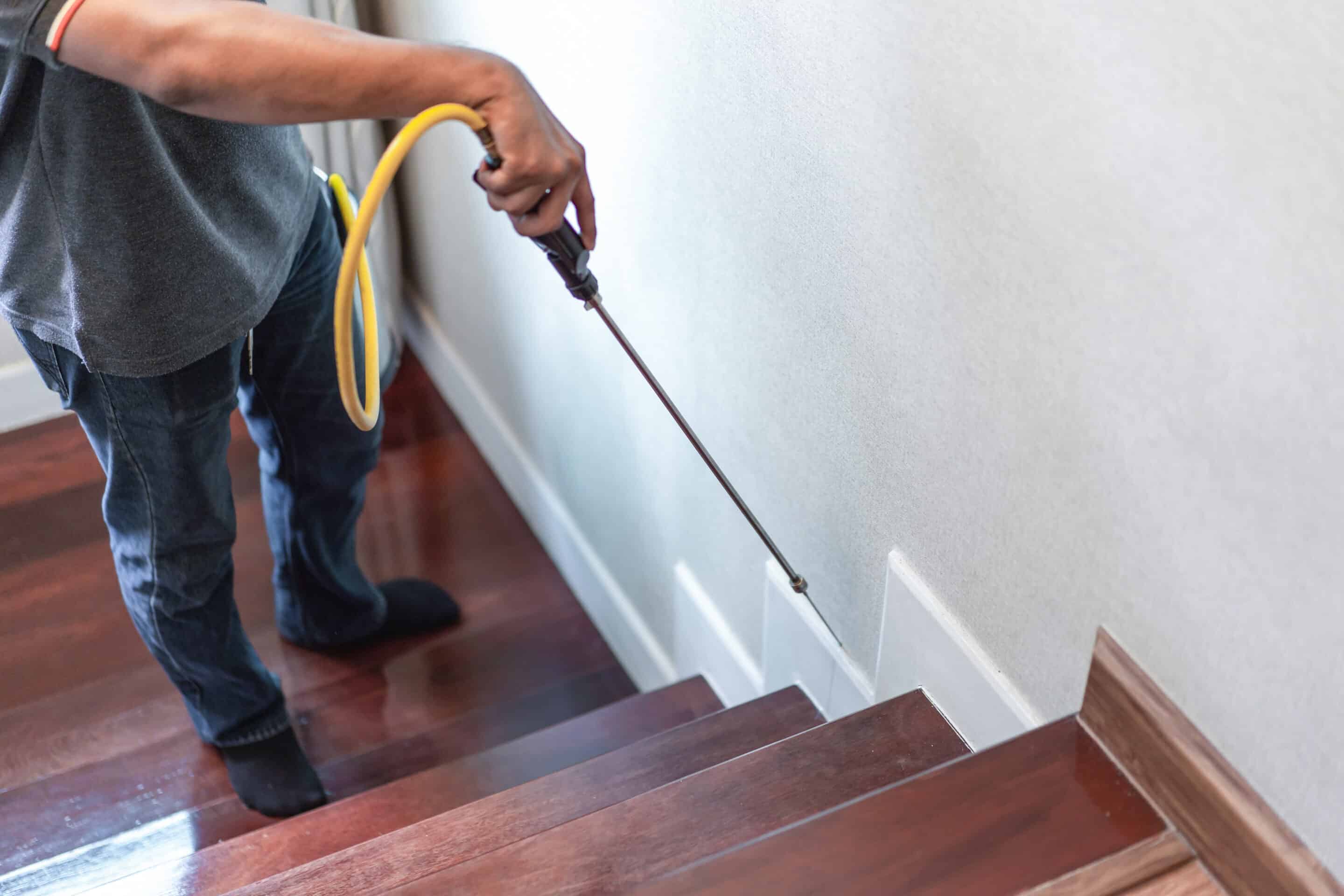
What Drives Your Ant Treatment Price
One-Time vs. Ongoing Plans
Choosing between a single visit and a service plan changes total cost and long-term value. One-time treatments address the immediate issue, while recurring plans protect the home through seasons when ants surge.
Consider these differences:
- One-time service: upfront fee with limited warranty
- Ongoing plan: scheduled perimeter service and monitoring
- Plans often include discounted follow-ups and re-treatments
- Predictable monthly/quarterly payments vs. episodic costs
- Best for properties with moisture issues or recurring trails
Global Pest can price both options, explain warranties, and recommend the most cost-effective route based on species, severity, and your tolerance for risk of recurrence.
What’s Included, Add-Ons, and Guarantees
Not all quotes cover the same work. A thorough proposal should specify interior areas, exterior perimeter treatment, bait placements, and the number of follow-up visits. In the Southeast, exterior protection around sunny, open turf and landscaped beds is often essential.
Expect clarity on the following:
- Service scope: rooms, perimeter zones, and access points
- Materials: baits, non-repellent sprays, dusts, and placement methods
- Follow-up schedule and whether return visits are included in price
- Warranty terms: what’s covered, for how long, and reservice conditions
What Drives Ant Treatment Cost
Professional pricing isn’t one-size-fits-all. Costs shift based on the ant species, how entrenched the colony is, the square footage and layout of the home, and whether service is interior, exterior, or both.
Moisture
- Leaky pipes, HVAC condensation, and damp basements
- Overwatered landscaping, clogged gutters, dripping spigots
- Wet or decaying wood that appeals to carpenter ants
Species & Severity
- Sugar ants may be resolved faster than wood-damaging species
- Multiple satellite nests or heavy trails often require follow-ups
Home Size & Access
- Larger footprints need more material and time
- Cluttered areas and tight crawl spaces add labor
- Multiple floors or units expand the treatment scope
- Outbuildings and patios may be priced as add-ons
Service Scope
- Interior baiting, crack-and-crevice, and spot treatments
- Exterior perimeter barriers and colony targeting
Timing & Guarantees
- Peak-season demand can affect availability and price
- Urgent, same-day calls may carry a premium
- Warranties and follow-up visits are built into many Global Pest plans
Typical Price Ranges
Homeowners often ask what a professional visit will cost.
Here’s how pricing commonly breaks down:
- One-time standard ant service: generally mid-range
- Initial visit for ongoing plans: higher first service
- Quarterly service: discounted per-visit rate
- Heavy infestations: premium due to labor
- Large homes: pricing scales with area
- Carpenter ant work: elevated due to risk
- Follow-up visits: often included in warranty
- Exterior-only perimeter: budget-friendly option
- Inspection fee: may be credited toward service
How Scope Affects Your Estimate
A precise quote depends on where ants are active and how far colonies extend.
Costs rise as service areas expand from a kitchen or bath to multiple rooms, crawl spaces, and exterior perimeters.
Common scope elements that influence price include:
- Foundation cracks requiring sealing or targeted baiting
- Expansion joints and slab edges needing perimeter treatment
- Utility penetrations calling for exclusion and gel placements
- Plumbing voids and leak sites requiring interior service
- Humid crawl spaces that add labor and monitoring
- Vegetation or mulch lines prompting exterior baiting
- Porch or sill areas inspected for wood-damaging activity
- Deck posts and footers included in the perimeter
Global Pest provides itemized estimates so you see what’s included—inspection, treatment zones, and any recommended follow-up—before work begins, helping you balance cost with long-term results.
Cost Clues Before You Book
A few quick observations help predict pricing and choose the right plan for your home.
Watch for:
Trail Activity Level
The intensity and spread of foraging trails can forecast labor and materials needed:
- Foundation walls
- Crawl space piers
- Brick
- Concrete
- Basement walls
Heavier traffic suggests larger colonies or multiple nests, which can increase cost. Global Pest tailors treatment to the severity and includes clear expectations for follow-up.
Swarmers and Pricing
Winged ants indicate reproductive activity that may call for expanded inspection and treatment zones.
If swarmers appear indoors, technicians may recommend structural probing, moisture checks, and targeted wall-void service—steps that can adjust your estimate. Outdoor swarms point to nearby colonies; Global Pest will determine whether a one-time service, multi-visit plan, or warranty-backed program offers the best value for your situation.
What Drives Ant Treatment Pricing
Ant treatment cost isn’t one-size-fits-all. Pricing reflects the work required to locate nests, select the right products, and service the areas where ants are active.
Typical price influencers include:
- Number of rooms with activity
- Access under and behind appliances
- Food and pet areas needing extra care
- Cleaning time for sticky surfaces and trails
Home Size, Moisture, and Severity
Leak-prone areas, damp trim, and softened sills often signal more time on site and more material use.
Moisture issues raise costs because colonies thrive where water persists. For example, carpenter ants in wet wood or expansive trails around leaking plumbing demand deeper inspection, potential wall-void work, and follow-up verification. When technicians must address roof drips, gutter overflows, or saturated soil that continually draws foragers, plans typically include additional exterior perimeter service and targeted interior applications—both of which influence the estimate.
Hidden Conditions That Add Cost
Signs like blistered paint or trapped humidity often indicate concealed moisture and potential nesting paths. Accessing these voids, treating behind finishes, and sealing entry points extend labor time, which is reflected in the treatment price. Global Pest accounts for diagnostic time in tight spaces so the estimate realistically covers the work needed to stop recurring activity.
Entry Points and Service Scope
Gaps at doors and windows expand the service footprint. When technicians must treat multiple thresholds, weatherstrip gaps, or recurring ant highways, they allocate more time for perimeter treatments and baiting. That broader scope—both inside and out—affects overall ant treatment cost and may warrant a follow-up visit built into the plan.
Can I Reduce Costs Without a Pro?
Improving sanitation, sealing small gaps, and fixing leaks can trim future expenses, but entrenched colonies—especially those with satellite nests—often require professional diagnostics to avoid repeat call-backs and added costs.
How professional pricing is structured:
- Tools that reduce repeat visits
- Exterior perimeter service scope
- Non-repellents for colony transfer
- Baiting matched to food preference
- Inspection time and reporting
- Included follow-up or warranty
Many universities note that full elimination hinges on locating the nest and interrupting trails—tasks that DIY often misses, leading to added spending over time. Global Pest builds estimates around accurate identification, the right formulations, and a clear follow-up schedule so you pay for resolution, not repeated spot sprays.
Service Types and Typical Cost Considerations
Depending on your property, your estimate may include:
Perimeter Liquid Treatments
Creates a protective band around foundations and entry points; pricing reflects linear footage and accessibility.
Ant Bait Stations
Deployed on active trails with baits selected for current sugar or protein preferences; cost varies by station count and follow-up needed to confirm consumption.
Localized Treatments
Targeting wall voids or damp frames increases labor time; billed based on access and materials used.
Ongoing Monitoring
Seasonal checkups and adjustments help prevent rebounds; offered as a maintenance plan that can reduce long-term costs compared to repeated one-time services.
How to Reduce Ant Treatment Costs
Keeping conditions unfavorable for ants is one of the simplest ways to avoid higher service bills later. Preventing large colonies from forming typically costs far less than extensive treatments or structural repairs.
Focus on these steps:
- Clean up food residues immediately so infestations stay small and less expensive to resolve.
- Fix moisture problems; dry sinks and bowls to avoid added interior treatment time.
- Trim plants off siding to limit exterior service scope and materials needed.
- Pull mulch away from the foundation to reduce follow-up visits for recurring activity.
- Store firewood up and away from the house to prevent add-on nesting treatments.
- Remove decaying wood so moisture-driven colonies don’t require specialized services.
- Keep gutters clear to avoid costly interior and crawlspace applications.
- Seal penetrations to limit the number of areas a technician must treat.
- Weatherstrip and caulk gaps to reduce bait and product quantities needed.
- Schedule annual inspections so small issues qualify for lower-cost service options.
When Ant Treatment Costs Tend to Rise
Pricing isn’t just seasonal; it’s influenced by weather-driven activity levels and how far colonies have spread.
In practice:
- Mild periods above 55-60 F keep ants active, which can increase the areas requiring treatment and overall cost.
- Spring surges often need perimeter and interior service together, adding to the initial visit price.
- Summer heat waves or heavy rains may drive ants indoors, expanding the scope from a basic exterior plan to a more comprehensive program with follow-ups.
Frequently Asked Questions
What affects ant treatment cost?
Expect pricing to vary by species, severity, and square footage. Carpenter and fire ants often require expanded service, while larger homes or multi-unit buildings take more labor and materials. Access issues, clutter, and moisture repairs can also influence your estimate.
Do I need a one-time service or a plan?
A one-time visit addresses immediate activity, but recurring plans spread cost over the year and include follow-ups that lower the price of retreatment if ants return.
Is there an inspection fee?
Many providers charge a nominal inspection fee to assess species and severity. With Global Pest, inspection charges are often credited toward your treatment if you approve service, helping keep your total cost down.
What’s included in the price?
Standard quotes typically include interior baiting as needed, an exterior perimeter application, and a short-term warranty period. Larger infestations may require additional visits.
Are follow-up visits extra?
Follow-ups can be included in service plans or billed per visit for one-time treatments. Your written estimate from Global Pest will outline the warranty and any no-cost retreatments.
Does interior vs. exterior service change cost?
Yes. Exterior-only perimeter service is generally the most economical. When activity is established indoors, additional baiting and crack-and-crevice work add time and materials.
Are there common add-ons?
Add-ons may include granular yard treatments for fire ants, attic or crawlspace applications, and exclusion sealing. Your technician will separate base service from optional upgrades so you can choose based on budget and need.
How do guarantees work?
Most ant services include a warranty window for retreatment if activity persists. Plan members typically receive broader coverage and no-charge follow-ups during the service term.
What keeps long-term costs down?
Integrated Pest Management (IPM) combines sanitation, exclusion, baits, and targeted non-repellents to reduce reinfestations. A balanced approach minimizes product use and the number of visits you pay for over time.
Transparent Pricing for Ant Treatments
Understanding your ant treatment cost starts with a clear scope: interior vs. exterior areas, severity level, and the need for follow-ups. Global Pest emphasizes accurate identification and right-sized service so you pay for what you need—not what you don’t.
If you’re comparing options, the experienced team at Global Pest Management will provide a detailed estimate, explain what’s included, and note any credits from inspection fees. We tailor plans for Georgia homes and yards, from quick one-time knockdowns to value-focused maintenance programs.
Schedule your ant inspection today to get a clear, upfront price and a treatment plan that fits your home and budget.
What Drives Ant Treatment Cost?
Key pricing factors include:
- Ant species identification — carpenter, fire, odorous house, or pavement ants
- Infestation severity — number of trails, satellite colonies, and nesting sites
- Home size and layout — square footage, floors, and access to problem areas
- Service scope — interior-only, exterior perimeter, or full interior/exterior
- Moisture or structural issues — damp wood, leaks, and conducive conditions
- Property setting — heavy landscaping, mulch beds, and adjoining structures
- Follow-up requirements — number of visits and length of warranty
- Plan type — one-time corrective service versus ongoing maintenance
Species and severity drive materials and labor the most: sugar-feeding ants may respond to precision baiting, while carpenter ants often need targeted void treatments and exterior nest work. Global Pest customizes plans so you pay for the right level of service, not a one-size-fits-all visit.
Are Ant Treatments Expensive?
Most professional ant services are affordable compared to the costs of damaged wood, food waste, or repeated over-the-counter attempts that don’t hold.
Pricing tends to rise when structural issues or aggressive species are involved: carpenter ant work can include moisture repairs and exterior nesting control, while large fire ant mounds in lawns may require broader perimeter service.
Your final cost can reflect:
- Extent of interior treatments and hard-to-reach voids
- Electrical, plumbing, and HVAC access considerations
- Yard size, landscape density, and walkway edges
- Food handling zones requiring low-odor baits
- Safety measures around pets and children
Addressing conducive conditions early — fixing leaks, sealing gaps, and improving sanitation — often reduces the number of visits needed, lowers total spend, and extends the value of Global Pest’s treatment.
