
Brown Recluse SpidersIn North Georgia
Brown recluse spiders are part of the natural ecosystem, yet suspected sightings inside homes or workplaces demand careful attention. An effective response focuses on accurate identification, reducing the insects they feed on, and correcting conditions that allow these reclusive spiders to settle indoors.
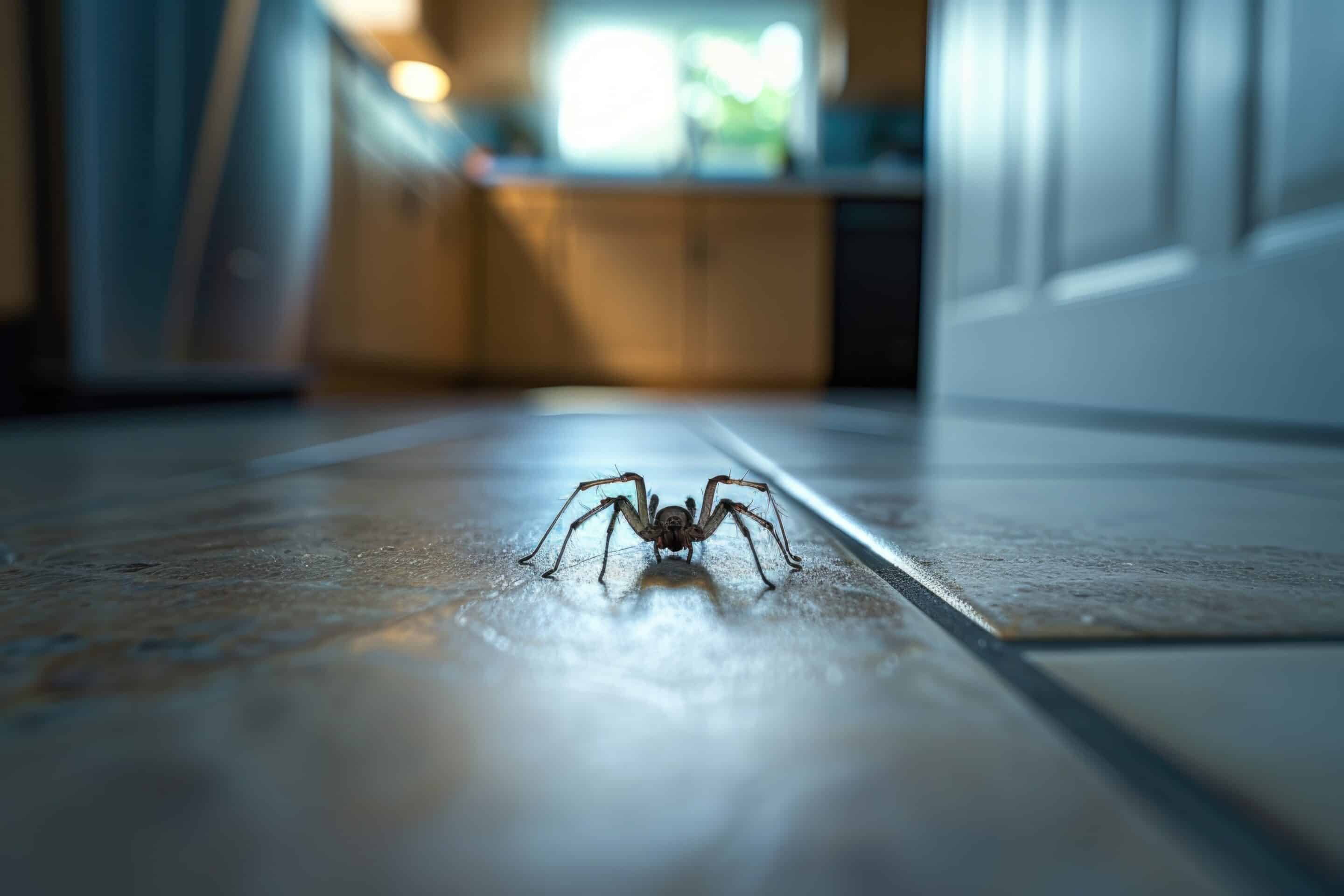
Brown RecluseSpiders
Professional help for brown recluse concerns begins with confirming whether the spider is truly Loxosceles reclusa and mapping where activity occurs. A trained technician will:
- Inspect interior and exterior areas for spiders, shed skins, and signs of prey insects, while noting low‑web, retreat‑style harborages typical of brown recluses.
- Check basements, garages, attics, and storage closets—especially cluttered, undisturbed spaces where recluses favor cardboard, boxes, and seldom‑moved items.
- Look for structural gaps—around windows, missing door sweeps, and unsealed utility lines—that permit insects and secretive spiders to enter.
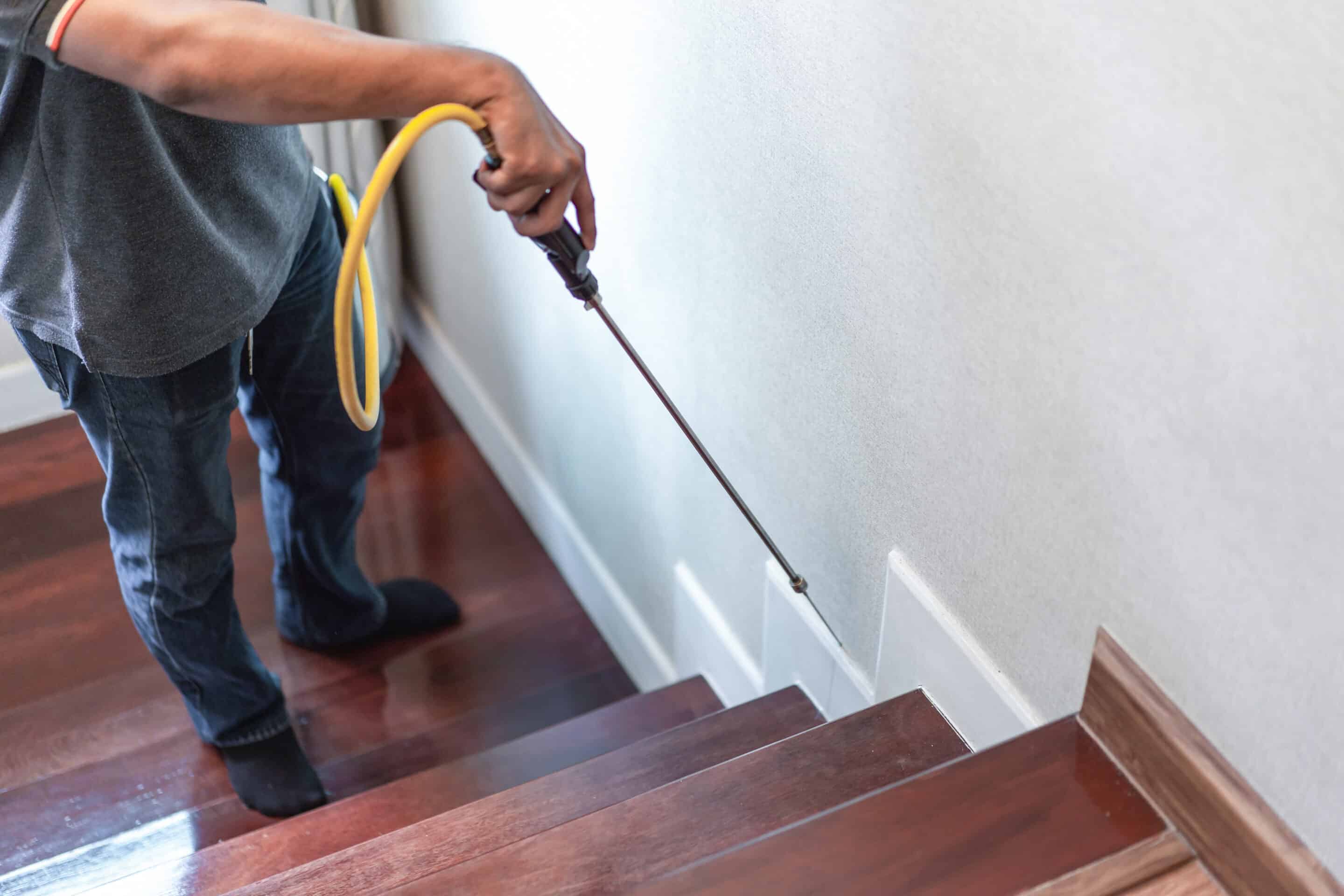
Based on the findings, your technician designs a plan that addresses confirmed or suspected brown recluse activity and the insects they hunt. Treatments often include targeted applications in concealed voids, baseboards, and storage areas, plus precise exterior work along foundations, utility penetrations, and sheltered overhangs where recluses may roam at night.
Why You May HaveSpiders Indoors
Brown recluse spiders thrive where food and hiding places overlap. Indoors, they prefer quiet, cluttered zones such as basements, garages, attics, and storage areas with stacked boxes, paper, or clothing. Kitchens, entryways, and exterior walls attract the insects they eat, and unsealed gaps around windows, doors, vents, and utility lines allow both prey and recluses to slip inside.
Unlike web‑building spiders, brown recluses create irregular retreats and hunt at night. In North Georgia, many spiders are mistaken for recluses; however, true recluses favor dark, undisturbed recesses such as crawl spaces, woodpiles brought indoors, and long‑stored items. When porch lights draw insects to doorways, the increased prey can pull wandering spiders toward structures.

Why Choose Global Pest Management ForYour Spider Control?
Global Pest Management understands brown recluse identification, look‑alike species common to North Georgia, and how local construction and climate influence sightings. Our technicians go beyond removing a few spiders—we determine whether evidence supports true brown recluse activity, pinpoint how they’re getting in, and correct the conditions that sustain them.
We combine targeted treatments with practical guidance to lower risk: sealing entry points, adjusting lighting that attracts prey insects, and improving storage practices that reduce shelter. With detailed inspections, clear identification support, and consistent follow‑up, Global Pest Management provides effective spider exterminator services to help you respond confidently to suspected brown recluse issues year‑round.
Our Spider ControlServices

Brown Recluse Identification: Loxosceles reclusa vs Common Look‑Alikes
Residential solutions for suspected brown recluses aim to verify identification, minimize hiding spots, and reduce indoor prey. Services may include:
- Careful removal of spiders, shed skins, and harborages from corners, ceilings, storage shelves, and exterior overhangs.
- Applying targeted treatments along baseboards, foundations, utility penetrations, and door and window gaps where recluses and insects travel.
- Recommendations such as adding door sweeps, sealing framing gaps, switching to less attractive exterior lighting, and elevating stored items in sealed bins.
Homeowners can help by decluttering closets and basements, using sealed plastic containers instead of cardboard, wearing gloves when handling stored items, and promptly vacuuming spiders when found. Keeping indoor and perimeter insect activity low is one of the most reliable ways to reduce encounters with brown recluses.

Brown Recluse Range in North Georgia: How Rare Are They?
Offices, warehouses, restaurants, and other commercial spaces in North Georgia may report suspected recluses in storage rooms, stock areas, and seldom‑disturbed corners. Commercial response typically includes:
- Regular service visits to remove spiders and harborages, document findings, and treat sensitive zones without disrupting operations.
- Focused treatments around doors, loading docks, utility lines, and lighting where prey insects congregate and recluses may forage.
- Actionable recommendations for maintenance teams to seal penetrations, maintain tight door sweeps, improve inventory storage practices, and tune lighting to reduce insect pressure.
Keeping potential recluse activity in check protects employees, reduces liability concerns, and preserves a clean, professional image for customers.
Preventingfuture spider problems
Brown recluse prevention requires precise identification, careful sanitation, and strategic control between professional visits. To lower the odds of an encounter with these reclusive spiders:
- Seal entry points by caulking cracks and gaps around windows, doors, and utility lines and installing tight‑fitting door sweeps.
- Adjust outdoor lighting or switch to bulbs that attract fewer insects, reducing the food sources that draw spiders to your home or business.
- Keep shrubs, bushes, and woodpiles away from exterior walls and foundations.
- Reduce clutter in basements, garages, and storage areas so brown recluses have fewer undisturbed hiding spots like cardboard boxes and stacked items.
- Regularly remove spiders webs and egg sacs indoors and out.
When these measures are backed by Global Pest’s professional inspection, targeted treatments, and a customized plan, you can meaningfully reduce the risk of brown recluse activity and feel more confident in your home or business year‑round.
Frequently Asked QuestionsAbout Spider Pest Control
Do Suspected Brown Recluse Sightings Signal a Larger Infestation?
Sometimes. Brown recluses prefer quiet, undisturbed areas with steady insect prey. Abundant insects, packed storage, and gaps around the exterior can all contribute to sightings. Reducing other pests and addressing harborage—paired with focused brown recluse control—is the smartest long‑term strategy.
Safety and Precautions: Pet- and Family‑Conscious Approaches
Yes, when applied correctly. Global Pest targets cracks, voids, and peripheral areas where brown recluses hide rather than open living spaces. Your technician will outline any short‑term precautions—such as avoiding treated zones until dry—so you can keep people and pets safe while achieving effective control.
Timeline and Expectations for Brown Recluse Management
Expect a noticeable reduction in activity within days of initial service, especially after decluttering and sealing. Homes with extensive storage or ongoing insect pressure may need a follow‑up and periodic maintenance to keep populations low and prevent new introductions.
Where We Inspect and Treat for Suspected Brown Recluses
Global Pest Management provides expert guidance and targeted services for suspected brown recluse spiders in Buford, Dahlonega, Dawsonville, Suwanee, and surrounding communities. While true brown recluses are uncommon in North Georgia, our team responds quickly, helps verify identification, and implements evidence‑based steps to keep your home protected year‑round.
