
Common SpidersIn North Georgia
North Georgia is home to a wide range of spiders—from delicate cellar spiders and quick-moving wolf spiders to colorful orb weavers and tiny jumping spiders. Outdoors, they help keep insect numbers in balance. Indoors, though, they can surprise homeowners and create messy webs. Understanding which species you’re seeing, what their webs look like, and where they like to hide is the first step to smarter decisions about when simple monitoring is enough and when a professional eye is needed.
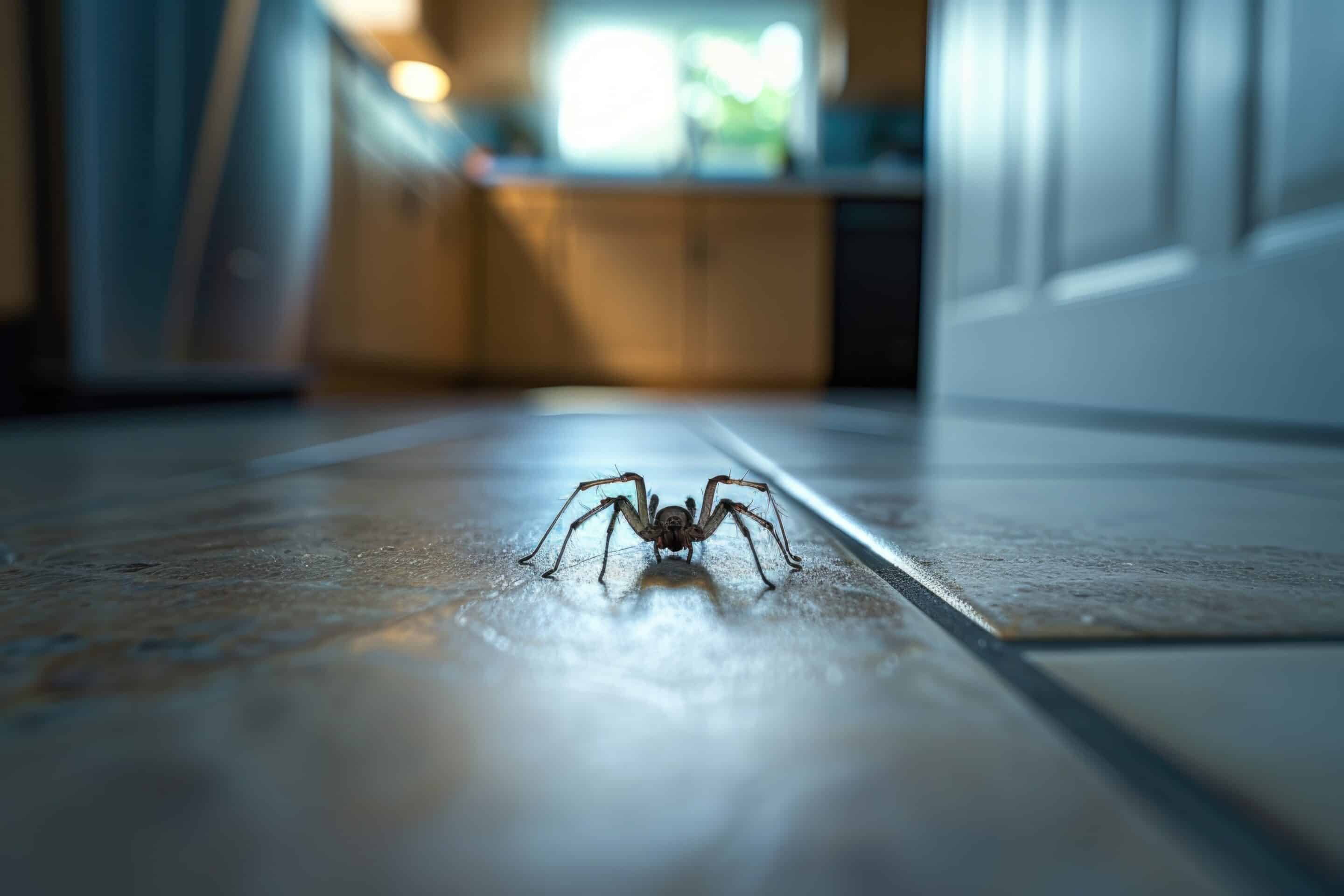
Common SpidersIn North Georgia
Accurate identification is essential when discussing common spiders in North Georgia. A trained technician will distinguish between harmless house spiders and medically significant species, and note the web style and harborage areas that point to specific spiders. During an assessment, a technician will:
- Inspect interior and exterior areas for web type (orb, tangle-web, sheet), shed skins, egg sacs, and insect activity that supports spider populations.
- Check basements, garages, attics, and storage spaces for cellar spiders, house spiders, and wolf spider retreats under clutter or along floor edges.
- Look for structural details—such as gaps around windows, missing door sweeps, and unsealed utility penetrations—that provide travel routes for spiders and their prey.
These findings help clarify which species are present and where they’re most active. For example, messy cobwebs in upper corners often signal tangle-web spiders, while large circular webs on porches indicate orb weavers. Documenting size, coloration, and behavior—like daytime perching versus nocturnal hunting—guides next steps and determines if further professional identification is recommended.
Why You May HaveSpiders Indoors
Typical household encounters in North Georgia include long‑legged cellar spiders in basements, common house spiders near windows, quick darting wolf spiders at floor level, and curious jumping spiders on sunny sills. Orb weavers are frequent around porches and garden edges in late summer and fall, spinning large circular webs at dusk. Identifying traits matter: wolf spiders are stout and fast with eye shine at night; jumping spiders are compact with big forward‑facing eyes; orb weavers build classic wheels; and tangle‑web spiders leave irregular, sticky threads in corners.
Habitat and seasonality offer additional clues. Many species peak from late spring through fall when insect prey is abundant around exterior lights and vegetation. Black widows may shelter in woodpiles, meter boxes, and undisturbed garages, while brown recluse spiders are uncommon in much of North Georgia but can occasionally be transported in stored items. Most species are shy and avoid people; bites are rare and usually occur when spiders are trapped against skin. If you’re unsure whether you’ve found a medically important species—or if web style and markings are difficult to interpret—seek a professional identification to avoid misdiagnosis.


Why Choose Global Pest Management ForYour Spider Control?
Global Pest Management knows the spiders that North Georgia residents see most and how local climate, landscaping, and building styles shape where these species settle. We help homeowners and businesses tell the difference between beneficial yard orb weavers and spiders of concern, explain why certain areas accumulate webs, and point out features that attract spiders by concentrating their insect prey.
Our team provides clear, species‑focused guidance and practical next steps, including when professional identification is warranted and how to reduce conditions that favor spider hotspots. With thorough inspections, plain‑spoken explanations, and dependable follow‑up, Global Pest Management offers knowledgeable support and, when needed, effective spider exterminator services so your home or business is more comfortable year‑round.
Our Spider ControlServices

Top household and yard spiders in North Georgia
Across North Georgia homes, you’re most likely to spot these species and signs of their presence:
- Cellar spiders: pale, long‑legged spiders with loose webs in basements, crawl spaces, and garage rafters.
- Common house spiders: small, brownish tangle‑web builders found near window frames, ceiling corners, and storage shelves.
- Orb weavers: evening web spinners that create large circular webs on porches, between shrubs, and along fence lines—most active late summer into fall.
- Jumping spiders: compact, daytime hunters with noticeable front eyes, often seen on sunny windowsills and interior walls.
- Wolf spiders: robust ground hunters that don’t use webs to catch prey; frequently encountered along baseboards and in garages.
Most of these spiders are beneficial outdoors and low‑risk indoors, but care is advised around dark, undisturbed areas where black widows may occur. If markings, web style, or behavior don’t match what you expect, consider a professional inspection for accurate identification.

Where spiders commonly hide around homes and yards
North Georgia commercial properties often host distinct spider hotspots tied to lighting, structure, and stored goods. Expect orb weavers near signage and canopy edges in late summer; tangle‑web spiders around entryway corners and soffits; and cellar spiders in mechanical rooms or warehouse mezzanines. Wolf spiders may roam floor perimeters in loading areas, and jumping spiders frequently perch on sunny interior ledges.
- Entrances and exterior lights concentrate flying insects at night, drawing orb weavers and tangle‑web spiders.
- High ceilings, beams, and signage provide anchor points for webs that accumulate unnoticed.
- Gaps at dock doors, utility lines, and worn door sweeps let insects—and the spiders that follow them—move inside.
Recognizing which species prefer each area helps set expectations about seasonality and risk. Most are non‑aggressive and beneficial, but if employees notice hourglass markings or dense webs in utility boxes, professional identification is recommended.
Preventingfuture spider problems
Understanding common spiders in North Georgia starts with knowing what draws them to properties and where they prefer to settle. Most species follow their prey and shelter, so small habitat adjustments can make a big difference:
- Seal entry points by caulking cracks and gaps around windows, doors, and utility lines and installing tight‑fitting door sweeps.
- Adjust outdoor lighting or switch to bulbs that attract fewer insects, reducing the food sources that draw spiders to your home or business.
- Keep shrubs, bushes, and woodpiles away from exterior walls and foundations.
- Reduce clutter in basements, garages, and storage areas so spiders have fewer hiding spots.
- Regularly remove spiders webs and egg sacs indoors and out.
By pairing these habits with a Global Pest assessment focused on species identification—such as spotting tangle‑web builders like cellar spiders or ground hunters like wolf spiders—you’ll better understand which spiders are present and why. That insight helps target activity and keeps encounters lower as seasons change across North Georgia.
Frequently Asked QuestionsAbout Spider Pest Control
When a spider issue may signal other pests
In many North Georgia homes, yes. Web‑builders and active hunters move inside when insect prey is abundant or when conditions outdoors shift with the seasons. If you’re seeing frequent cellar spiders, house spiders, or wolf spiders, it often points to underlying insect activity. Accurate identification plus reducing food sources is key—Global Pest can differentiate harmless species from those of concern and advise next steps.
Safety notes on spider bites vs. control methods
Global Pest follows an identification‑first approach and uses targeted applications designed to minimize exposure. Treatments focus on undisturbed zones—cracks, exterior eaves, voids, and foundation edges—rather than open living areas. Your technician will review any brief precautions, like allowing products to dry, so you can confidently protect people and pets while addressing the specific spiders present.
How spider activity changes over days and seasons
You’ll usually notice fewer webs and sightings within several days, especially around porch lights, soffits, and common web sites. For properties with multiple species or heavy harborage—such as stacked storage or dense vegetation—follow‑up visits tied to seasonal spider patterns in North Georgia help maintain low activity and support accurate identification when new species appear.
North Georgia communities we serve
Global Pest Management helps homeowners and businesses understand and identify the most common spiders in Buford, Dahlonega, Dawsonville, Suwanee, and nearby North Georgia communities. Our local experience with species like cellar spiders, orb weavers, wolf spiders, and jumping spiders ensures accurate identification and guidance tailored to your property.
