
How Often Should a North Georgia Home Be Treated for Pests?
Wondering how often a North Georgia home should be treated for pests? Learn the ideal service cadence for our climate, how seasons change activity, and when to increase visits. Contact Global Pest Management for a free inspection today.

How Often Should a North Georgia Home Be Treated for Pests?
In North Georgia, most homes benefit from a year-round preventative plan. For average pest pressure, quarterly exterior treatments with targeted interior service as needed keep ants, spiders, occasional roaches, and overwintering insects in check. Homes with higher pressure—such as properties near woods or water, or those with a history of activity—often do best on a bi-monthly schedule, especially from March through October when insects are most active.
The most important decision isn’t just picking a calendar interval; it’s matching frequency to your risk profile and seasonality. The goal is to prevent populations from establishing indoors and to maintain a strong exterior barrier so issues never escalate between visits.
Global Pest Management tailors service frequency for North Georgia homes and businesses. If you’re seeing increased activity, finding droppings, or noticing new entry points, our team can assess pressure levels and recommend the right treatment cadence.
Why Cockroach InfestationsAre a Problem
Choosing service frequency depends on conditions around your home, the time of year, and recent pest activity. A quick framework below can guide expectations—your Global Pest professional will validate with an on-site inspection.
Home profile |
Suggested cadence |
What drives the interval |
|
Typical suburban home |
Quarterly preventative service |
Maintains an exterior barrier and monitoring to prevent seasonal ants, spiders, and occasional invaders |
|
Wooded lots or lakeside properties |
Bi-monthly during peak seasons; quarterly in winter |
Higher pressure from outdoor roaches, mosquitoes, and spiders; leaf litter and moisture increase harborage |
|
Prior or current indoor activity |
Initial corrective visits 2–4 weeks apart, then quarterly or bi-monthly maintenance |
Breaks life cycles and reduces populations before shifting to prevention |
|
Homes with chronic moisture issues |
Bi-monthly until conditions are corrected |
Humidity, leaks, and crawl space dampness attract ants, roaches, and occasional invaders |
|
Warm winter or heavy-rain year |
Temporary increase in service frequency |
Extended breeding windows and rainfall-driven intrusions elevate activity between standard visits |

Setting a Baseline: Quarterly vs. Bi-Monthly
For many North Georgia homes, a quarterly plan establishes a dependable perimeter barrier and includes seasonal adjustments for spring swarms and fall invaders. Bi-monthly service is recommended when activity is persistent or conditions are highly conducive—think dense tree canopy, proximity to Lake Lanier or creeks, heavy shade, or ongoing indoor sightings.
What technicians evaluate during setup:
- Exterior gaps around doors, utility penetrations, and foundation cracks.
- Moisture sources near crawl spaces, HVAC lines, and downspouts.
- Mulch depth, leaf litter, and wood-to-soil contact.
- Attic, garage, and under-sink areas where pests exploit warmth and water.
Once your baseline is set, follow-ups maintain the exterior barrier, refresh bait placements, and check monitoring devices. If pressure spikes, we temporarily compress the interval to prevent indoor establishment.
Seasonal Surges in North Georgia
Spring brings swarming insects and awakening ant colonies. Summer humidity fuels ant trails and roach movement, particularly after heavy rains. Fall ushers in boxelder bugs, stink bugs, and spiders seeking shelter. Winter shifts pressure to rodents and occasional roaches in warm mechanical spaces. A quarterly plan is timed to these transitions; homes with high pressure may add summer and fall visits to stay ahead.
Near wooded neighborhoods, outdoor roaches can be more common, and around lakeside areas such as Lake Lanier, humidity and tree cover can increase pest pressure. Your plan should reflect these local realities.
Weather Can Change the Calendar
Warm winters extend insect activity into January and February. Periods of frequent rain can drive ants indoors and wash away untreated exterior residues. During these patterns, Global Pest may recommend advancing a visit or adding a touch-up to sustain protection.
Risk Factors That May Require More Frequent Service
Certain properties experience higher pest pressure and benefit from bi-monthly or seasonally accelerated visits. Common triggers include heavy shade and leaf litter, stacked firewood, clogged gutters, and persistent moisture in crawl spaces. Lakeside and creek-adjacent homes see more humidity and insect harborage. Prior infestations, frequent deliveries, and stored goods in garages can also elevate risk.
Integrated Pest Management (IPM) focuses on reducing conducive conditions first, then applying targeted treatments. Addressing moisture, sealing entry points, and tightening sanitation help lengthen intervals over time without sacrificing control.
Service Types That Support the Right Interval
A well-timed visit typically includes an exterior perimeter treatment, de-webbing and entry-point focus, and interior spot treatments only where activity or conducive conditions are found. Monitors under sinks, in utility rooms, and near garage doors help track thresholds. If counts rise between visits, we shorten the gap temporarily, then return to your normal cadence once pressure subsides.
Reporting where and when you see pests—such as ants after a storm near the patio door—helps your technician fine-tune timing and materials for your specific home.

How to Know It’s Time to Shorten the Interval
One stray insect isn’t a schedule changer by itself, but pattern and context matter. A few ants after a heavy rain may be normal; repeated trails into the pantry suggest your next service should be advanced. Likewise, fresh rodent droppings in winter, recurring spider webs under soffits, or roach sightings in utility areas point to elevated pressure.
Indicators that warrant an earlier visit include:
- New activity spikes or sightings in multiple rooms.
- Insects of several sizes appearing between scheduled services.
- Droppings, rub marks, or fresh webbing near entries and eaves.
- Moisture issues, musty crawl spaces, or standing water.
- Recent landscaping changes that increased mulch or groundcover.
Global Pest Management’s routine services combine perimeter treatments, targeted interior work, monitoring data, and moisture/entry-point assessments. These findings guide whether to keep, compress, or extend your service frequency so your home stays protected year-round.

How Often Should You Treat a North Georgia Home?
Service frequency depends on pest pressure, season, and your property’s risk factors. In most North Georgia neighborhoods, a preventative quarterly plan maintains an effective exterior barrier and keeps common ants, spiders, and occasional roaches in check. Homes with higher activity—such as shaded, wooded lots or properties near water—often benefit from bi-monthly visits to outpace rapid reinfestation cycles.
To maintain protection between services, focus on:
- Keeping the perimeter clear of leaf litter and touching vegetation.
- Storing pantry items in sealed containers to deter foraging ants and roaches.
- Managing trash and compost away from doors and garages.
- Fixing moisture issues like leaky spigots, crawlspace humidity, or clogged gutters.
- Reducing clutter in garages and sheds where spiders and rodents shelter.
- Sealing utility penetrations and gaps around door sweeps and foundation cracks.
These steps support your preventative schedule by lowering conducive conditions. A clean, well-sealed home still needs routine treatments in North Georgia’s climate, where warmth and humidity drive persistent pest activity year-round.
How ProfessionalRoach Control Works
Determining the right treatment interval starts with a thorough inspection and monitoring. Sticky traps, exterior assessments, and moisture readings help establish a baseline and reveal whether quarterly or bi-monthly service is appropriate. From there, Global Pest uses integrated pest management—combining targeted applications, exclusion, sanitation guidance, and follow-up thresholds—so service frequency matches real pest pressure rather than guesswork.
Global Pest Management builds custom schedules for North Georgia homeowners: exterior perimeter defenses to prevent intrusion, interior spot treatments only where needed, and seasonal adjustments during spring swarms, summer ant surges, fall invaders, and winter rodent pressure. The objective is consistent prevention and fast response to activity spikes—not one-time knockdowns that allow problems to rebound before the next visit.
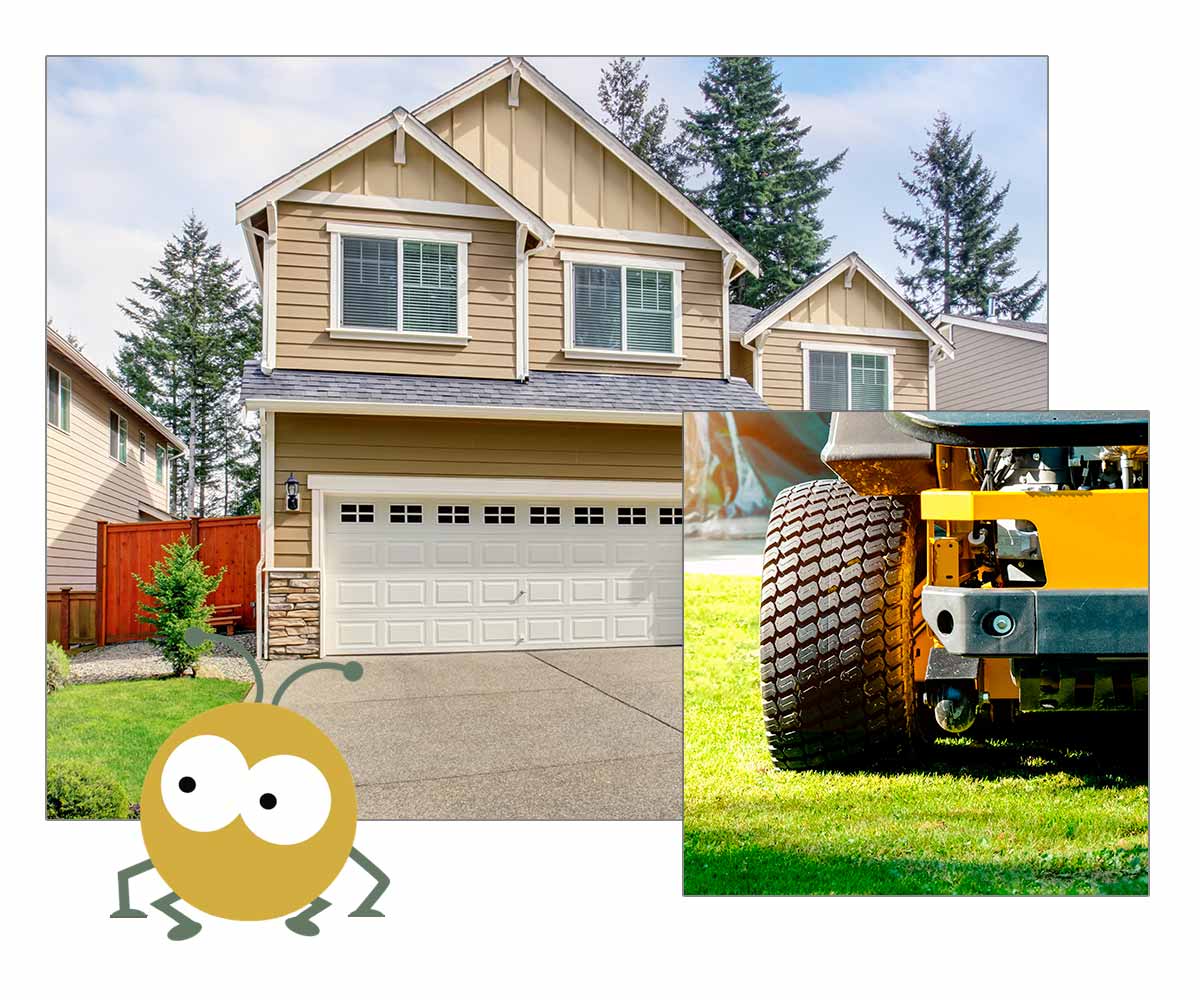
Set the Right Service Cadence for Your Home
If you’ve noticed new trails of ants after heavy rain, roach sightings in humid areas, or rodent signs as temperatures drop, it may be time to tighten your schedule from quarterly to bi-monthly. Homes near mature trees or lakes often see smokybrown roach and spider pressure, while older or drafty homes may need shorter intervals in winter for rodents.
Contact Global Pest Management to request a free home assessment. We’ll recommend a preventative frequency—quarterly or bi-monthly—based on your property’s risk factors, monitoring results, and seasonal trends.
Pest Prevention Resources
Explore related information and services:
