
Mosquito Life CycleIn North Georgia
Understand the mosquito life cycle with Global Pest Management. Learn how eggs become biting adults—and why timing control to each stage matters. Get expert guidance—book a free inspection now!
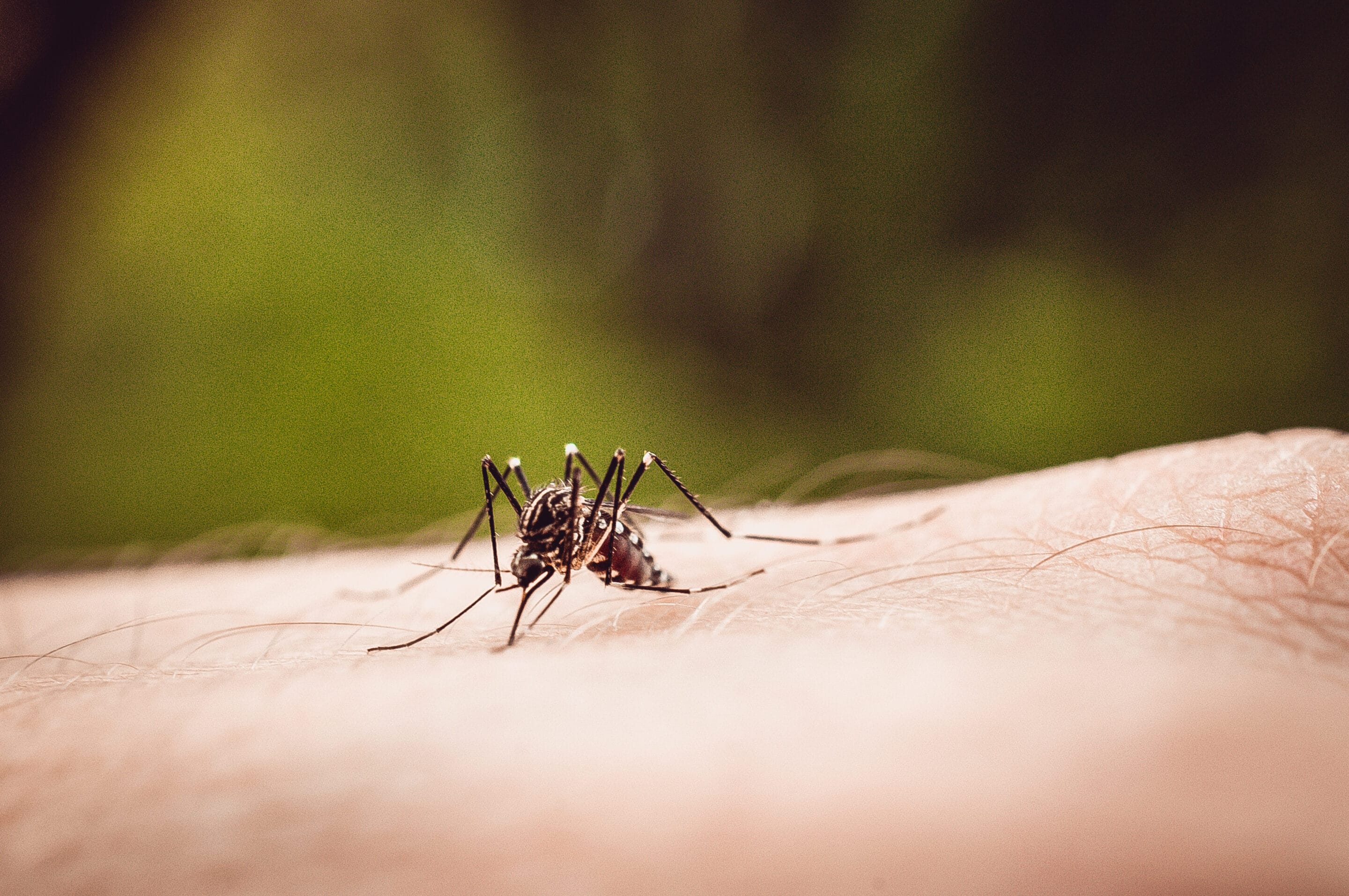
From Egg to Adult: Mosquito Development Explained
Global Pest Management explains the complete mosquito life cycle so you can see where and when control works best. Female mosquitoes lay eggs in or near water, beginning a rapid transformation that can produce new adults in as little as a week under warm conditions. Different species—like Aedes and Culex—follow the same four-stage path, but temperature and water availability speed or slow development.
We break down each stage—egg, larva, pupa, and adult—to show the unique vulnerabilities and the optimal intervention windows. By aligning prevention and treatment with life-stage biology, Global Pest Management helps homeowners and businesses interrupt breeding and reduce seasonal surges more effectively.
The Dangers ofMosquitoes
The mosquito life cycle is a complete metamorphosis with four distinct stages: egg, larva, pupa, and adult. Eggs are laid singly or as floating rafts on stagnant water, often hatching within 24–48 hours in warm weather. Larvae—often called “wigglers”—feed at the water’s surface and molt several times in just a few days. Pupae, known as “tumblers,” do not feed but remain active until adults emerge, ready to fly and seek mates and, for females, a blood meal to produce the next batch of eggs.
West Nile Virus
One of the most well-known mosquito-transmitted diseases, West Nile virus can cause flu-like symptoms, neurological issues, and even death in severe cases. The virus has been reported in all 48 contiguous United States, with thousands of confirmed cases each year.
Zika Virus
Zika virus gained national attention in recent years due to its potential link to birth defects. While the risk of Zika transmission has decreased in the U.S. since the 2016 outbreak, it remains a concern, especially for pregnant women and those traveling to affected regions.
Malaria
Though more common in tropical and subtropical regions, malaria is also present in parts of the United States. This mosquito-borne parasite can cause severe flu-like symptoms and potentially life-threatening complications if left untreated.
Chikungunya
This viral disease, which causes fever, joint pain, and other debilitating symptoms, has been on the rise in the U.S. in recent years as mosquito populations expand.
Timing is everything. Warm temperatures, sunlight, and even small amounts of standing water can collapse the timeline from egg to adult to under a week. Cooler weather stretches it out; some species pause development or overwinter as eggs that hatch after spring rains. Misreading these cues leads to missed control opportunities and fresh waves of mosquitoes just days later.
For homeowners and businesses, understanding the life cycle prevents common mistakes—like treating only flying adults while ignoring the water where larvae are maturing. Aligning actions to each stage reduces bite pressure, improves outdoor comfort, and helps protect staff, guests, and families during peak activity.
Partnering with a knowledgeable team like Global Pest Management ensures your plan targets the right stage at the right time, supporting lasting reductions. For outdoor comfort strategies, see Backyard Mosquito Control.

Our Mosquito ControlProcess
At Global Pest Management, we interpret environmental triggers—temperature thresholds, rainfall, and sources of stagnant water—to predict stage progression and inform integrated pest management decisions. By mapping local development cycles, we prioritize larval hotspots before emergence, then address adult populations during activity peaks, all while reinforcing prevention that interrupts future generations.

Timing Control with the Mosquito Life Cycle
The first step is understanding which stages are present around your property and how quickly they’re changing. Our experts assess water sources, sun exposure, and recent weather to estimate hatch rates, larval density, and imminent adult emergence. We look for:
Standing Water Sources
Mosquitoes require stagnant water to lay their eggs, so we’ll look for anything from gutters and birdbaths to puddles and kiddie pools.
Vegetation and Landscaping
Tall grass, overgrown shrubs, and other dense foliage can provide ideal resting and breeding habitats for mosquitoes.
Repellents
In some cases, we may use approved chemical or natural repellents to encourage the animals to vacate the area.
Breeding Sites: Standing Water and Habitat Triggers
Understanding the mosquito life cycle is essential for meaningful habitat changes. Eggs, larvae, and pupae all require water, so disrupting those conditions breaks development before adults emerge. Global Pest technicians examine how each life stage is supported on your property and correct the underlying factors that allow mosquitoes to reproduce, including:
- Draining or treating standing water sources
- Trimming back overgrown vegetation
- Improving drainage and eliminating areas of poor water runoff
- Ensuring gutters and downspouts are properly functioning
By tailoring the environment to interrupt egg laying and aquatic development, we slow the transition to biting adults and decrease reliance on repeated treatments.

How Mosquitoes Enter and Spread Around Homes
Adult mosquitoes emerge from pupae and quickly seek resting sites and blood meals. We’ll review how adults exploit structural gaps—such as torn screens, unscreened vents, or propped doors—and how nearby water sources are fueling new generations just outside.
Based on our findings, we’ll develop a customized mosquito control plan that targets vulnerabilities connected to the life cycle, prioritizing egg and larval disruption outdoors while minimizing adult access indoors. This may include a combination of the following treatment methods:
Mosquito Larvicide Application
One of the most effective ways to combat mosquitoes is by targeting them in the larval stage, before they mature into biting adults. Our technicians will apply EPA-approved larvicides to any standing water sources on your property, preventing mosquito larvae from developing and emerging.
These products are specially formulated to be safe for humans, pets, and the environment when used according to label instructions. They work by disrupting the mosquito life cycle, significantly reducing adult populations.
Adulticiding
In addition to larval control, we also use targeted adulticide treatments to eliminate mature, biting mosquitoes. Our technicians will apply EPA-registered insecticides in high-activity areas around your home or business, such as:
- Perimeter of the structure
- Landscaping and vegetation
- Shaded, damp areas
- Other mosquito-prone zones
These adulticide applications provide quick knockdown of existing mosquito populations, offering fast-acting relief.
Ongoing Maintenance andPrevention
The mosquito life cycle can complete in as little as a week during warm, wet weather, so timing matters. We recommend an ongoing program aligned with local temperature and rainfall patterns to interrupt development before adults peak. Our team will create a flexible service calendar that emphasizes larval control after rains and rapid response when emergence surges.
We’ll also advise you on long-term prevention strategies, such as:
- Landscape management to eliminate breeding sites
- Recommendations for personal protective measures
- Education on mosquito-borne disease risks and symptoms
By focusing on each life stage—from eggs to adults—we help keep populations low throughout the season.
Seasonal Prevention and Yard Practices by Life Stage
Empty and scrub water-holding items weekly so eggs don’t adhere to surfaces, clear gutters to prevent larval habitats, and correct drainage to stop pupae from maturing. Plant choices that deter resting adults, such as marigolds, lemongrass, and lavender, can complement structural and water management efforts.
Thin dense shrubs where adults shelter, screen rain barrels to block oviposition, and use outdoor fans to disrupt weak fliers. Our service plans coordinate these habits with targeted interventions for consistent, long-term reduction.
The Global Pest ManagementDifference
At Global Pest Management, we connect every recommendation to how mosquitoes develop, ensuring interventions hit the right life stage at the right time. Here’s what sets us apart:
Proven Expertise
Our specialists are trained in mosquito biology, from egg raft identification to adult emergence cues. We track temperature thresholds and rainfall patterns that accelerate development and tailor strategies accordingly.
Customized Solutions
No two properties support the mosquito life cycle in the same way. We map breeding sources, resting zones, and likely flight paths, then design a plan that interrupts development where it’s most vulnerable.
Commitment to Safety and Sustainability
We use only EPA-registered solutions and emphasize life-stage precision—prioritizing larval control to reduce overall product use while protecting people, pets, pollinators, and the surrounding environment.
Responsive and Reliable Service
Life cycle timing can shift quickly after storms or heat waves. We provide prompt service and 24/7 support so you get help when emergence spikes and immediate action is most effective.
Satisfaction Guarantee
We stand behind our work with a 100% satisfaction guarantee. If results don’t meet expectations, we’ll re-treat at no additional cost and adjust timing to better align with local development cycles.
Don’t let the mosquito life cycle unfold unchecked around your home or business. Contact Global Pest Management today to schedule your free property inspection and start a plan built on biology-driven control.
Mosquito Life Cycle FAQs
How often should I target each life stage?
Are larvicides and adulticides safe when used correctly?
Interventions are most effective when synced to the life cycle—every 2-4 weeks in warm, rainy periods targets new larval waves before adult emergence. Automated systems help maintain consistent pressure between visits.
What conditions attract mosquitoes to breed here?
Yes. EPA-approved options, applied by professionals with life-stage targeting, minimize exposure and non-target impact while improving control compared to over-the-counter products.
Can I break the cycle without chemicals?
Still water for egg laying and larval growth, shaded vegetation for resting adults, and human scent and CO2. Females seek blood meals to develop eggs, with many species most active at dawn and dusk.
What factors influence mosquito control costs?
Source reduction is foundational: remove standing water, refresh birdbaths regularly, and maintain gutters. Biological larvicides like Bacillus thuringiensis israelensis can target larvae with minimal impact to other wildlife.
Plan Control Around Peak Emergence
Costs vary by property and pressure from local breeding sites. Seasonal plans that focus on larval control typically offer strong value because they interrupt the life cycle before adults proliferate.
Regions We Serve
Global Pest Management aligns control with the mosquito life cycle—targeting eggs and larvae in water, limiting pupal survival, and reducing adult harborages—so fewer biters ever make it to your patio. By pairing careful inspections with stage-specific strategies and preventive maintenance, we deliver results that last.
From spring warm-up through late-summer peaks, our biology-based approach helps you enjoy outdoor time with fewer interruptions. Schedule your free assessment today and let us build a plan that stops mosquitoes at every stage of development.
Contact Us
Global Pest Management supports homeowners seeking to understand the mosquito life cycle in Buford, Dahlonega, Dawsonville, Suwanee, GA and nearby communities. Our experts explain how mosquitoes progress from egg to adult and why each stage—egg rafts on water, larvae and pupae in standing water, and newly emerged adults—creates different opportunities for prevention. By timing services around local temperature shifts and rainfall patterns, we help you interrupt development before biting adults take over your yard.
