RaccoonControl
Hearing heavy thumps at night, finding messy latrine piles, or seeing torn shingles and tipped trash cans? Recognize the key signs of raccoon activity and schedule a free raccoon inspection with Global Pest Management.
Signs of Raccoonon Your Property
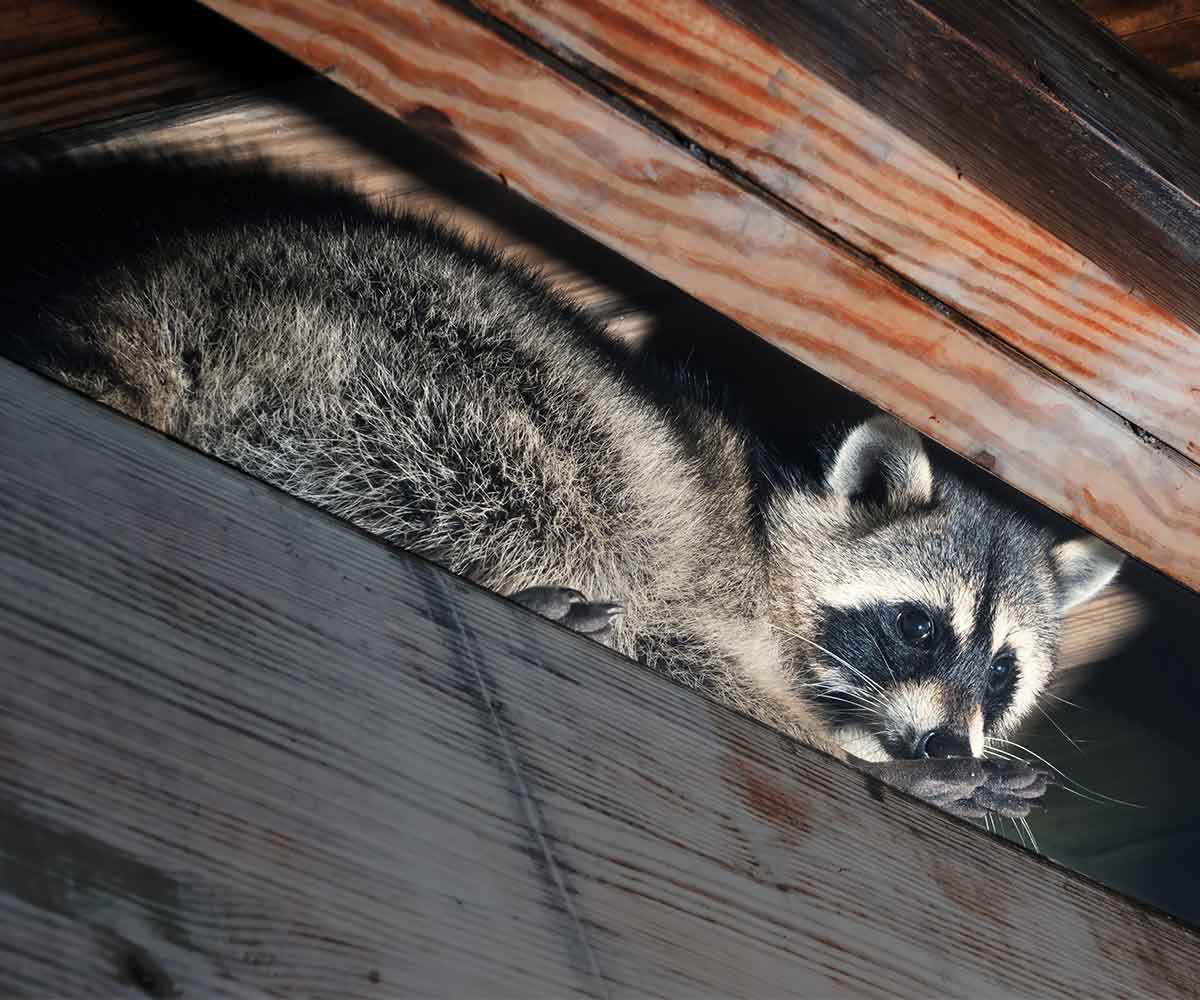
Raccoons create costly problems when they den inside attics, crawl spaces, chimneys, wall voids, garages, sheds, or beneath decks. Many owners never see the animal right away. Instead, they notice midnight thumping, musky odors, latrine sites on flat roofs or in attics, torn soffits, and garbage scattered around the yard as raccoons search for food and a safe place to raise young.
At Global Pest Management, we help homeowners and businesses across North Georgia resolve raccoon issues with species-specific strategies. Our process starts with a comprehensive inspection to confirm raccoon activity, locate entry points, identify any maternal den, assess roofline and insulation damage, and recommend a humane plan for eviction, exclusion, and prevention. Global Pest Management technicians document evidence such as paw prints and smudges, pulled-back soffits, bent vents, droppings concentrated at latrine sites, disturbed insulation, and direct signs of adult raccoons or kits.
If you suspect raccoons are present, act quickly. Early inspection reduces the chance of raccoons establishing a den, protects young during removal, and limits structural and sanitation damage.
Common Signs ofRaccoon Activity
Raccoon activity varies by season and den location. Breeding females often select warm, elevated spaces in late winter and spring, while roaming adults may investigate chimneys, rooflines, and accessible crawl spaces year-round. Knowing what to listen and look for helps pinpoint raccoon entry and den sites.
Nighttime Chatter Thumps and Handprint Tracks
Sounds are often the first warning of raccoons in a structure. You may hear:
- Heavy thumping or deliberate footsteps above ceilings at night
- Low chittering, growls, or chatter from attics or chimneys
- Rustling as insulation is pushed aside for a den site
- Scratching and clawing near roof edges, soffits, or vent openings
- Persistent noises from a chimney, garage, shed, or beneath a deck after dark
Raccoons are primarily nocturnal, so most activity is heard after sunset and before dawn. Loud, heavier movements compared to rodents, along with vocalizations, often indicate raccoons rather than smaller wildlife. Because sound alone can mislead, a professional inspection confirms the species before any action.
However, sound alone is not enough to identify an animal. A professional inspection can help determine what is active and avoid unnecessary repairs or removal attempts.
Raccoon Latrine Sites and Pungent Musk
Raccoons create distinct communal latrine sites, which are concentrated piles of droppings often found on flat roofs, in attics, on decks, or at base-of-trees and fence lines. Urine staining, a sweet-musk odor, and contaminated insulation can signal long-term raccoon use.
Look for:
- Latrine piles near attic access points, roof gaps, or on flat roof areas
- Dark, damp-looking stains on wood, insulation, or ceilings below an attic
- A musky, foul odor that intensifies at night
- Piles of droppings beneath roofline gaps or torn vents
- A sudden strong odor that may indicate a deceased animal in a hidden space
Fresh raccoon droppings are dark and moist; older droppings dry and lighten in color. Because raccoon feces can carry parasites, avoid disturbing latrines without proper protection and disinfection protocols.
Avoid sweeping, vacuuming, or handling unknown droppings without proper safety precautions. Disturbing contaminated materials can create sanitation concerns. Contact Global Pest Management for an inspection and guidance on removal, cleanup, and prevention.
Chimney Caps Torn Soffits and Entry Gaps
Raccoons are strong climbers with dexterous forepaws capable of pulling, prying, and tearing open weak points. They frequently enter by ripping soffits, bending ridge or gable vents, or dropping into open chimneys to den on smoke shelves.
Inspect the exterior of your property for:
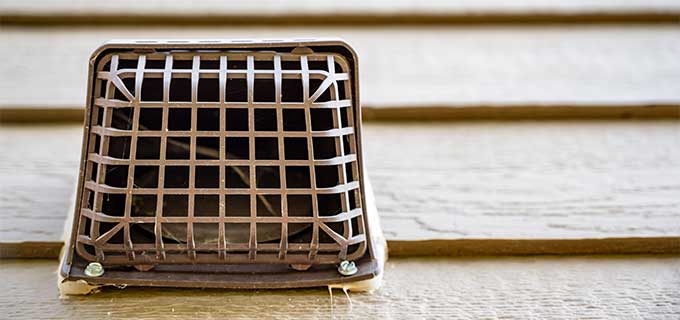
- Bent, torn, missing, or loose vent covers and screens
- Holes or pulled-back sections in soffits, fascia, siding, or roof edges
- Damaged or missing chimney caps, or signs of nesting in a flue
- Loose shingles, lifted flashing, or gaps along roof penetrations
- Hand-like paw prints and rub marks near eaves and attic vents
- Torn screens over crawl space or attic vents
- Openings around pipes, cable lines, electrical lines, and HVAC components
- Claw marks and scattered insulation or nesting debris near an opening
Do not seal any opening until you are certain raccoons and, if present, kits have been safely evicted. Premature closure can trap animals, increase damage, and separate mothers from their young.
Signsby Location
Pinpointing where signs occur helps confirm a raccoon problem and guides a targeted plan. Global Pest Management’s inspection evaluates how raccoons access the structure, identifies maternal dens, and prioritizes areas at risk for repeat entry.
Service Areas We Cover |
Raccoon-Specific Signs to Look For |
Identifying the Animal Behind the Damage |
|
Attic |
Heavy thumps, vocal chittering, torn insulation, latrine piles, strong odor |
Raccoons (maternal dens and kits common in spring) |
|
Crawl space |
Droppings near access doors, disturbed vapor barrier, musky odor, tracks |
Raccoons seeking shelter or travel routes |
|
Chimney |
Scratching, chattering, nesting debris, absence of a secure cap |
Raccoons denning on the smoke shelf or flue ledges |
|
Garage or shed |
Torn trash bags, paw prints, dragged pet food, musty odor |
Raccoons raiding food sources or temporary shelter |
|
Roofline or vents |
Pried soffits, bent vents, rub marks, repeated entry and exit at dusk |
Raccoons exploiting weak roof edges and openings |
|
Under a deck or porch |
Digging, visible den hole, nighttime movement, compacted soil paths |
Raccoons selecting a sheltered ground-level den |
|
Yard or garden |
Tipped cans, scattered birdseed, overturned sod, distinct hand-like tracks |
Raccoons foraging and returning to reliable food sources |
A professional inspection is essential when activity is in hard-to-reach areas like attics, chimneys, or rooflines. Accurate identification informs humane eviction methods such as one-way doors for non-maternal dens, trap placement when required, chimney capping, and exclusion repairs to prevent reentry.
Animal-SpecificClues
Each species leaves its own calling card. Treat these indicators as helpful leads—accurate identification by a professional is essential for an effective raccoon control plan.
Raccoon Behavior Denning and Removal Options
Raccoons are powerful climbers with nimble hands, capable of prying open shingles, soffits, and loose vents. Tell-tale signs include heavy nighttime footfalls across the ceiling, thuds or dragging sounds, tipped trash cans, hand-shaped tracks, and concentrated droppings at a latrine site near a den or roofline gap.
Common den locations include attics, uncapped chimneys, crawl spaces, and voids beneath decks. Because raccoons can tear roof components and may be caring for kits in spring, humane, professional removal and exclusion are strongly recommended.
Why It’s Not Squirrels: Key Differences
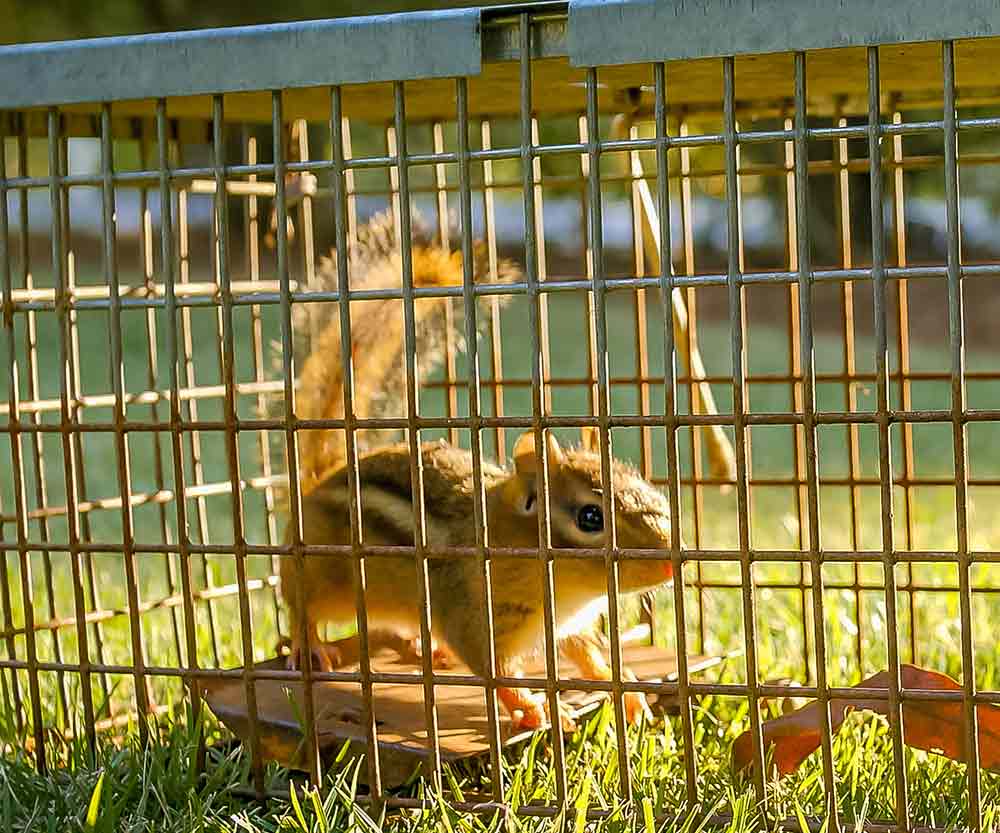
Squirrels keep daytime hours. Fast scurrying, light scratching, and rolling noises in the morning often point to squirrels caching food. They frequently chew fascia, soffits, roof edges, or vents to create small openings into the attic.
Look for gnawed wiring, disturbed insulation, nut shells, and compact nests, often with smaller, tidy entry holes near the roofline. After removal, sealing the entry is critical—squirrels readily return to the same gap.
Why It’s Not Bats: Key Differences
Bats slip through tiny voids around vents, chimneys, rooflines, siding, and utility penetrations. Signs include faint fluttering at dusk or dawn, brown staining or guano streaking below a gap, and droppings beneath a roost.
Exclusion requires precise timing to avoid trapping bats or separating pups from mothers. Do not seal a suspected bat entry without professional guidance.
Why It’s Not Opossums: Key Differences
Opossums are nocturnal scavengers that favor sheltered ground-level areas—under decks, porches, sheds, or brush piles. Clues include rummaged trash, leftover pet food consumption, a visible burrow-like opening, droppings, and nighttime movement on camera.
Why It’s Not Birds: Key Differences
Birds often nest in dryer vents, chimneys, soffits, eaves, signage, or any protected cavity. Repeated chirping, straw and twigs at an opening, feathers, droppings, and reduced dryer airflow signal activity. Because active nests and eggs may be protected, consult a professional before removal.
Why It’s Not Snakes: Key Differences
Snakes gravitate to garages, crawl spaces, gardens, sheds, woodpiles, dense vegetation, and places with rodents. Signs include shed skins, direct sightings, or tracks in dust or loose soil. Trim vegetation and manage rodent food sources to reduce habitat and discourage activity.
Best Time to Book a Raccoon Inspection
Book a raccoon inspection as soon as you suspect activity—quick action limits damage, protects young animals, and reduces health risks.
Contact Global Pest Management if you notice:
- Heavy nighttime thuds, slow walking, or dragging in an attic, chimney, wall void, crawl space, or garage
- Latrine sites with larger droppings, strong musk or urine odors, or wet staining
- Torn soffits, lifted shingles, pried vents, damaged ducts, chewed wiring, or gapped roofline materials
- A raccoon entering or exiting the roofline, chimney, deck void, or pet door
- Wildlife stuck in a living space, garage, vent, chimney, or crawl area
- Trash cans tipped over, scattered food waste, raided bird feeders, or garden raids
- Raccoon activity near play areas, pet feeding stations, food storage, or commercial dumpsters
- Evidence of a maternal den such as repeated nighttime visits and soft chittering from an attic
Global Pest Management provides free inspections and can confirm raccoon presence, locate entry points, and outline the safest, most humane solution for removal and prevention.
Steps to Take Before Technicians Arrive
Avoid contact with raccoons, droppings, or den sites. Raccoons can bite or scratch when cornered, and their scat can harbor pathogens. Improper actions may trap animals inside or separate a mother from her kits.
Until a professional arrives:
- Keep children and pets away from suspected den areas and contaminated spaces.
- Do not attempt DIY trapping, relocation, or poisoning.
- Avoid sealing openings until a technician confirms all raccoons are out.
- Do not sweep or vacuum droppings without proper PPE and containment methods.
- Secure garbage with tight-fitting lids, bring pet food indoors, remove birdseed, and close compost bins.
- Photograph roof damage, hand-shaped tracks, latrine sites, and tipped cans from a safe distance.
- Track timing of noises—most raccoon activity peaks at night—and note specific locations.
- If you suspect wiring damage, have a licensed electrician evaluate potential fire hazards.
Georgia residents should note that nuisance-wildlife work is regulated. Use a licensed trapper or consult the Georgia Department of Natural Resources for guidance. Properly screening chimneys and attic vents greatly reduces raccoon entry opportunities.
Why Homeowners Choose Our Raccoon Team
Global Pest Management delivers humane, effective raccoon control for homes and businesses across North Georgia. We identify active den sites and entry points, then implement safe eviction, strategic trap placement when appropriate, and long-term exclusion at rooflines and chimneys.
Don’t ignore thuds in the attic, tipped cans, latrine odors, or a torn soffit. Contact Global Pest Management today for a free raccoon inspection and a clear, step-by-step plan to remove raccoons and secure your property against future intrusions.