
Signs of SpidersFor North Georgia
Seeing one spider doesn’t always mean trouble, but consistent signs inside your home or business point to ongoing activity. Recognizing the early indicators—web types, egg sacs, shed skins, and droppings—helps you act before a minor issue turns into a larger infestation. Global Pest focuses on interpreting these clues so you know what species may be present, where they’re active, and why the conditions on your property are drawing them in.
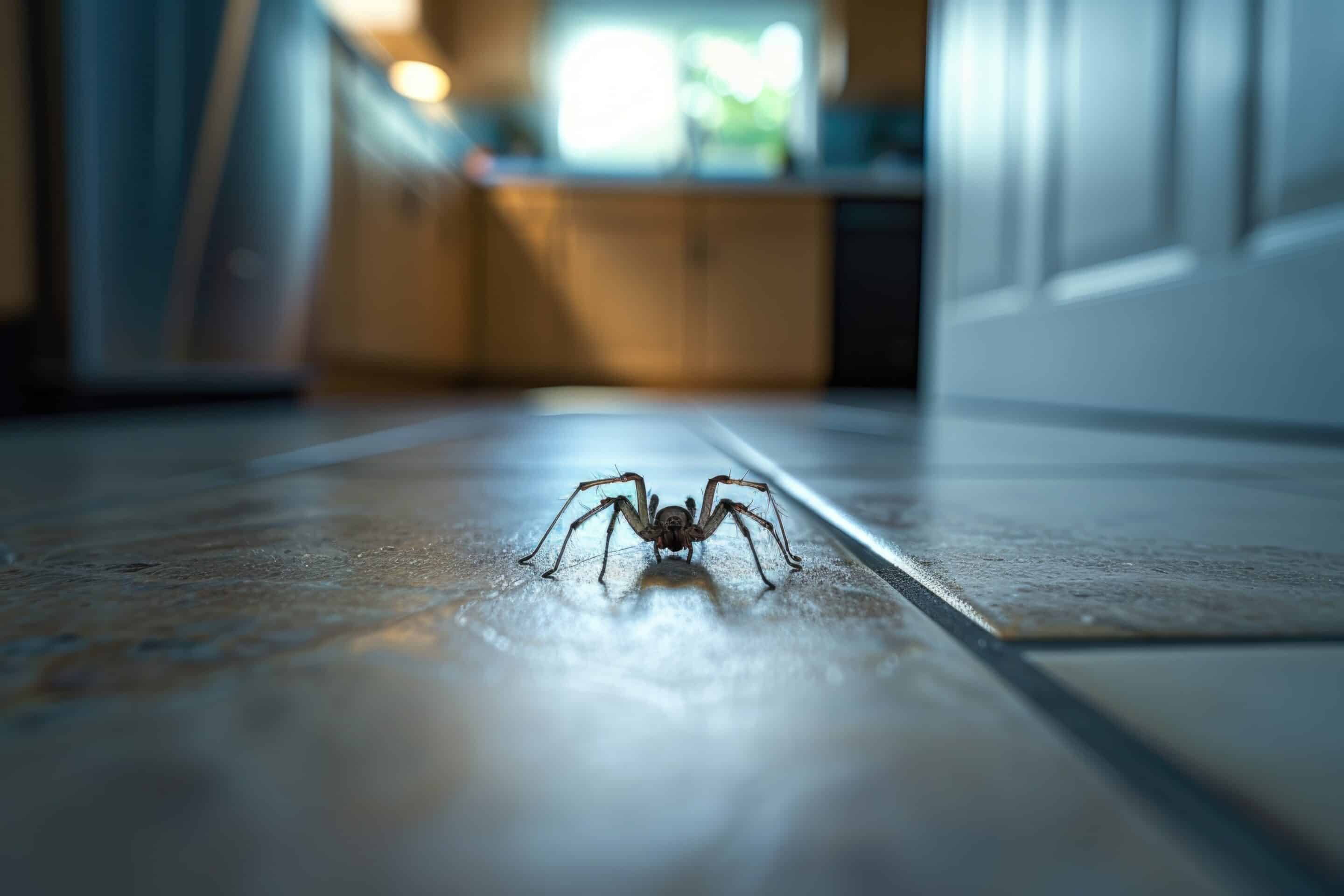
Signsof Spiders
Spotting signs of spiders starts with a careful look at where and how they operate. A trained technician will:
- Inspect interior and exterior areas for cobwebs and orb webs, locate egg sacs, note active spiders, and identify insect hot spots that signal steady food sources.
- Check basements, garages, attics, and other storage areas for shed exoskeletons, clustered webs in corners, and dust-laden cobwebs that suggest long-term harborage.
- Look for structural issues—like gaps around windows, missing door sweeps, and unsealed utility lines—that explain why spiders and their prey are entering.
Based on what’s found, your technician explains which signs indicate occasional visitors versus an infestation. You’ll learn which areas—eaves, soffits, window frames, foundations, and interior corners—show the most spider activity and what those specific clues mean about the species and their patterns.
Why You May HaveSpiders Indoors
Indoors, common signs include dusty cobwebs in upper corners, fine sheet-like webs behind furniture, and tiny white or tan egg sacs tucked along baseboards and in box clutter. Basements, garages, attics, and storage areas often reveal shed cuticles (papery, translucent skins) and pepper-like droppings under sill plates and shelving. Kitchens, entryways, and exterior-facing walls frequently show fresh webs and insect carcasses, indicating active hunting nearby.
Outdoors, examine porch lights, door frames, and soffit corners for symmetrical orb webs and fresh prey remains each morning. Around woodpiles, crawl spaces, and seldom-disturbed recesses, look for irregular tangle webs, multiple egg sacs attached to webbing, and clusters of spiderlings. When insects congregate at lighting or overgrown vegetation, spiders follow—persistent web rebuilding in these spots is a strong sign of sustained activity and a likely pathway indoors.
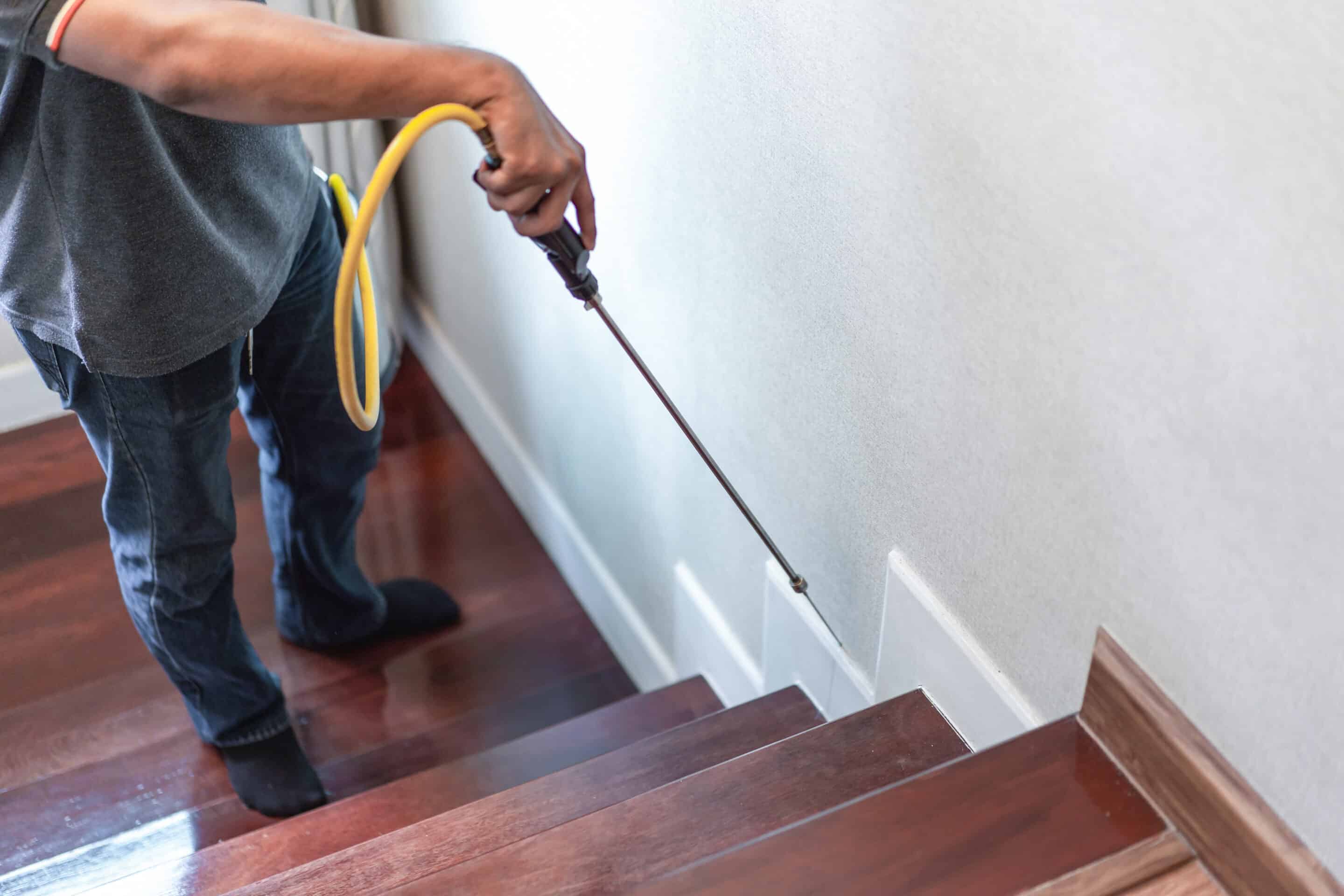

Why Choose Global Pest Management ForYour Spider Control?
Global Pest Management understands how North Georgia’s seasons, landscaping, and building styles influence the signs of spiders you’ll see. We go beyond sweeping webs: our team interprets which web structures, egg sacs, shed skins, and droppings are present—and what they reveal about species, harborage zones, and activity cycles—so you can respond appropriately.
Expect practical guidance along with any service, from clarifying what a cluster of egg sacs means to explaining why a certain corner keeps collecting cobwebs. If inspection suggests a broader issue, we’ll recommend next steps and, when needed, coordinate spider exterminator services so you can restore comfort and confidence in your space.
Our Spider ControlServices

Home signs to watch for
Knowing what to look for indoors helps you gauge activity. Typical residential indicators include:
- Cobweb build-up on porches, ceilings, corners, and exterior overhangs—especially when webs reappear quickly after removal.
- Fresh orb webs near foundations, entryways, and around window and door frames, plus small prey remains or frass (dark droppings) beneath frequent web sites.
- Egg sacs attached to webbing or hidden behind stored items, and shed exoskeletons in attics, basements, and closets that point to maturing populations.
Multiple web types in several rooms, recurring egg sacs, or daily web rebuilding are signs that activity is established. If you’re unsure whether what you’re seeing signals an infestation, Global Pest can inspect and clarify the level of concern.

Commercial signs around facilities
In offices, warehouses, restaurants, and other commercial spaces in North Georgia, spider evidence often concentrates where insects gather. Common indicators include:
- Recurring webs on exterior signage, entrances, and loading docks—especially overnight orb webs that appear by morning.
- Concentrated webbing and egg sacs around doors, outdoor lighting, and long runs of building perimeter where insects are drawn to light and shelter.
- Accumulations of frass and shed exoskeletons on high ledges, beams, and ceiling corners, signaling ongoing harborage above eye level.
Consistent signs in customer-facing areas suggest continuing activity rather than occasional passersby. Global Pest can document what the evidence means, differentiate minor presence from infestation, and recommend appropriate next steps to protect your brand and your team.
Preventingfuture spider problems
Recognizing signs of spiders starts with knowing what to look for in everyday spaces. Between professional inspections from Global Pest, these practical checks will help you spot activity early:
- Examine entry points—tiny cracks near window frames, door jambs, and utility penetrations—for fine silk threads or dust-covered cobwebs that indicate recent spider traffic.
- Watch exterior lights at night; a surge of moths and midges under bright bulbs often leads to fresh orb webs nearby by morning.
- Scan foundation edges, stacked firewood, and dense shrubs for messy sheet webs or secluded egg sacs tucked in protected corners.
- Look through basements, garages, and storage shelves for shed exoskeletons (papery, translucent “skins”) and pepper-like droppings beneath rafters and along wall junctions.
- Note any new webs or clustered egg sacs indoors and outdoors, especially around ceiling corners, eaves, and window sills.
When these at-home observations are paired with a professional spider inspection and monitoring plan from Global Pest, you can identify activity hotspots sooner, determine whether it’s occasional visitors or a growing infestation, and keep your home or business comfortable year-round.
Frequently Asked Questions
Do more spiders mean there’s a bigger issue I’m not seeing?
Often, yes. A jump in spider sightings or new webs can signal abundant insect prey or overlooked harborage zones indoors and around the exterior. If you’re finding fresh webs daily, multiple egg sacs, or frequent nighttime activity near windows, it’s a strong indicator that conditions are supporting ongoing spider activity and should be evaluated by Global Pest.
What signs confirm spiders are actively using my home?
Consistent cobwebs reappearing after cleaning, orb webs rebuilt overnight, clusters of silk-wrapped egg sacs attached to ceiling corners, and shed cuticles along baseboards or storage areas all point to active use. Small dark specks (droppings) beneath webs and light fixtures are another clear clue that spiders are feeding nearby.
How quickly can I tell if the signs suggest an infestation?
Time and repetition are key. If signs return within 24–48 hours after removal, or you notice multiple web types in different rooms and outdoor zones at once, activity is widespread. Global Pest can perform a focused spider inspection to distinguish occasional visitors from an entrenched population and recommend next steps if needed.
Our Service Area
Global Pest Management helps homeowners identify signs of spiders in Buford, Dahlonega, Dawsonville, Suwanee, and surrounding communities. Our experts pinpoint web types, egg sac placement, and other indicators so you understand the scope of activity and when it may signal an infestation.
