
Signs of Termites:How to Spot an Infestation Early
Worried about termites? Learn the top signs of termite damage and call Global Pest Management today for fast, expert inspection and treatment.

Signs of Termites Every Homeowner Should KnowHeading
Termites can cause serious, costly damage before you ever see them. Because termites eat wood and other cellulose materials, they often remain hidden while weakening your home’s structural integrity. At Global Pest Management, we help homeowners detect termite activity early and eliminate infestations quickly and effectively.
Knowing the warning signs of a termite problem can help you act before damage becomes severe.
Why Early Detection Matters
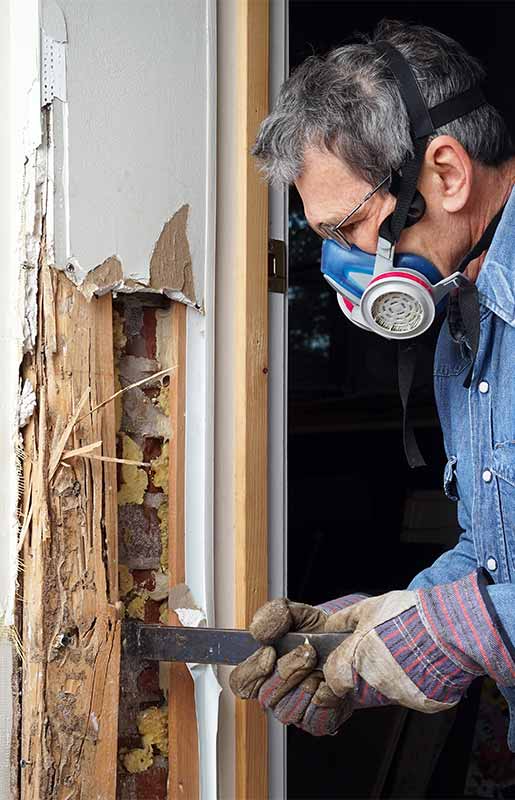
A growing termite colony can quietly destroy wood inside walls, floors, and structural supports. Over time, this may lead to visible issues like damaged wood, a sagging floor, or warped features around a window or door frame.
Homes with excess moisture or prior water damage are especially at risk. Scheduling a routine termite inspection is one of the best ways to catch problems early.
Common Signs ofTermite Activity
Watch for these key indicators of termite activity:
Mud Tubes on Foundations
Subterranean termites build mud tubes to travel safely between their nest and food source. These are often found along foundations or in a crawl space.
Swarmers and Discarded Wings
Termite swarmers, or swarmers flying termites, shed their wings after finding a place to start a new termite colony. Wings near windows, doors, or light sources are a strong warning sign.
Hollow or Damaged Wood
Wood that sounds hollow when tapped or appears blistered may indicate termites feeding inside. Over time, this can weaken structural components.
Frass (Droppings)
Drywood termites leave behind pellet-like droppings that resemble sawdust near infested areas.
Warped Doors and Frames
Moisture from termite activity can cause wood to swell, making doors, windows, or a door frame difficult to open or close.
Faint Clicking Sounds
In quiet conditions, termites moving inside walls may produce soft clicking sounds.
Dangerous Termite Species
Formosan termites are among the most aggressive species, forming large termite colonies and causing rapid damage. Their ability to consume wood quickly makes professional treatment essential.
High-Risk Areasin Your Home

Termites are most commonly found in areas where wood and moisture are present:
- Crawl space and basement areas
- Around foundations and support beams
- Attics with exposed wood
- Areas affected by leaks or water damage
- Wooden decks, fences, and door frame structures
Regularly checking these areas can help identify a termite problem early.
Why You Need A Termite Inspection

If you notice signs of termite activity, a professional termite inspection is the most reliable way to confirm the issue. At Global Pest Management, we inspect all areas of your home, including hidden spaces like the crawl space, to locate the source of the infestation.
Our services include:
- Detailed termite inspection
- Identification of termite species, including Formosan termites
- Targeted treatment plans to eliminate the termite colony
- Preventative solutions to reduce future risk
How to Prevent aTermite Problem

Reducing moisture and limiting wood contact with your home can help prevent infestations:
- Repair leaks and address water damage quickly
- Keep wood and debris away from your foundation
- Seal cracks and entry points
- Maintain ventilation in crawl space areas
- Schedule regular termite inspection services

Frequently Asked Questions
What are termite swarmers?
Termite swarmers are reproductive termites that leave a colony to form a new one. Seeing swarmers flying termites or discarded wings is often an early warning sign.
Where should I check for termites first?
Start with high-risk areas like the crawl space, basement, foundation, and around wooden structures such as a door frame.
What does termite-damaged wood look like?
Damaged wood may appear blistered or sound hollow when tapped. In advanced cases, it can lead to structural issues like a sagging floor.
How often should I get a termite inspection?
Most homeowners should schedule a termite inspection at least once a year, especially in high-risk areas.
Are Formosan termites really that destructive?
Yes, Formosan termites form large colonies and can cause significant structural damage in a short period of time if left untreated.
Why Choose Global Pest Management
Global Pest Management provides dependable pest control solutions focused on long-term protection. Our experienced technicians understand termite behavior and use proven methods to eliminate infestations and prevent their return.
Protect Your Home from Termite Damage
Termites can silently damage your home for months or even years. Signs like mud tubes, termite swarmers, damaged wood, or wood that sounds hollow should never be ignored.
If you suspect termite activity, contact Global Pest Management today for a professional termite inspection. We’ll identify the termite colony, treat the issue, and help safeguard your home’s structural integrity.
