Signs of Wildlife on Your Property North Georgia Wildlife Inspection
Hear attic noises, find droppings, or notice exterior damage? Learn the signs of wildlife activity and schedule a free inspection with Global Pest Management.
Signs of Wildlifeon Your Property
Wildlife can cause costly problems when it moves from the outdoors into an attic, crawl space, garage, chimney, wall void, shed, or beneath a deck. Many property owners do not see the animal at first. Instead, they notice scratching noises, droppings, damaged vents, disturbed insulation, unusual odors, or signs that an animal has found a way inside.
At Global Pest Management, we help homeowners and businesses throughout North Georgia identify and resolve nuisance wildlife problems. Our wildlife-control process begins with a detailed inspection to determine the animal involved, locate entry points, assess damage, and recommend an effective plan for removal, exclusion, and prevention. Global Pest Management technicians look for evidence such as droppings, nesting materials, structural damage, insulation or wiring damage, unusual noises, and direct animal sightings.
If you suspect wildlife is on your property, act promptly. Early inspection can help limit damage and reduce the chance that animals will establish a nest, raise young, or repeatedly return to the same area.
Common Signs ofWildlife Activity
Wildlife activity can look different depending on the species, season, and location. Raccoons, squirrels, bats, opossums, birds, snakes, and other nuisance animals may leave behind clues that help identify where they are living or how they are getting inside.
Scratching, Scurrying, or Thumping Noises
Unusual sounds are often one of the first signs of wildlife in a structure. You may hear:
- Scratching or scurrying in walls, ceilings, or attic spaces
- Thumping, bumping, or heavy movement above the ceiling
- Rustling in insulation, crawl spaces, or behind stored items
- Chirping, squeaking, fluttering, or tapping near vents and rooflines
- Repeated noises coming from a chimney, garage, shed, or under a deck
The timing of the noise may offer useful context. According to the University of Georgia, noise in an attic or crawl space can be associated with mice, bats, squirrels, raccoons, skunks, opossums, or birds. Daytime attic activity may point to gray squirrels, while nighttime attic noise may be associated with animals such as bats, mice, or flying squirrels. Noise from a chimney can be related to squirrels, raccoons, birds, or bats.
However, sound alone is not enough to identify an animal. A professional inspection can help determine what is active and avoid unnecessary repairs or removal attempts.
Droppings, Urine, and Odors
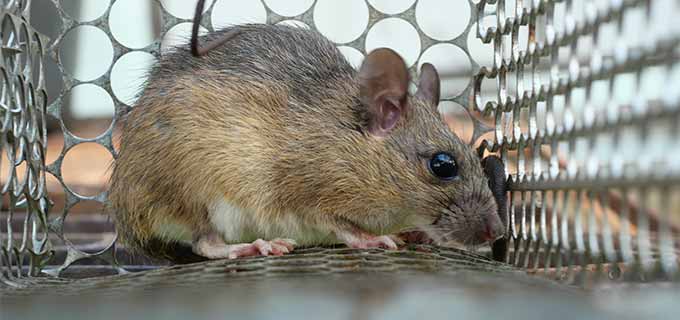
Droppings are a common indicator of wildlife activity, especially in attics, crawl spaces, garages, sheds, storage areas, beneath decks, and near exterior entry points. Urine stains, strong odors, and contaminated insulation may indicate that an animal has been using the space for an extended period.
Look for:
- Droppings along walls, rafters, insulation, or stored belongings
- Dark or damp-looking stains on ceilings, insulation, or wood
- A musky, ammonia-like, or sour odor
- Piles of droppings beneath an attic opening, roofline gap, or vent
- A worsening odor that may suggest a dead animal in a wall, attic, crawl space, or other hidden area
Fresh animal droppings are often darker, shinier, and moister than old droppings, which tend to dry out and become brown or gray. Dropping size, shape, and location can help with identification, but a professional should make the final assessment.
Avoid sweeping, vacuuming, or handling unknown droppings without proper safety precautions. Disturbing contaminated materials can create sanitation concerns. Contact Global Pest Management for an inspection and guidance on removal, cleanup, and prevention.
Damaged Soffits, Vents, and Rooflines
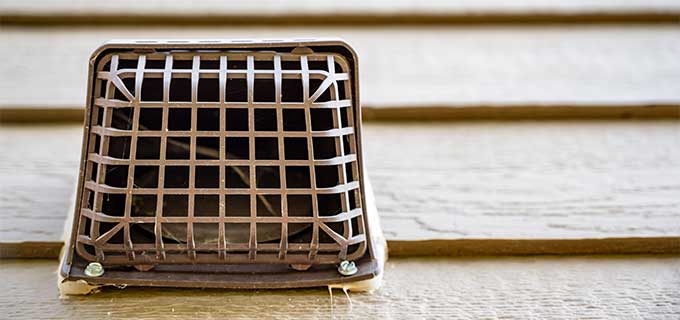
Wildlife often enters through damaged or unprotected exterior openings. Raccoons may pull apart weak soffits or vents. Squirrels can chew wood, trim, fascia, and siding to enlarge a small opening. Bats may use narrow gaps around rooflines, vents, chimneys, siding, or utility penetrations.
Inspect the exterior of your property for:
- Bent, torn, missing, or loose vent covers
- Holes in soffits, fascia, siding, or roof edges
- Damaged chimney caps or open chimney flues
- Loose shingles, trim, flashing, or flashing gaps
- Chewed wood around eaves, attic vents, or rooflines
- Torn screens over crawl space or attic vents
- Openings around pipes, cable lines, electrical lines, and HVAC components
- Rub marks, claw marks, fur, feathers, or nesting debris near an opening
Visible entry damage should be taken seriously, but do not immediately seal the opening if you believe an animal is inside. Closing access too soon can trap wildlife indoors, which can lead to more damage, lingering odors, or young animals becoming separated from their mother.
Signsby Location
Where you find the evidence can help narrow down the wildlife concern. Global Pest Management’s inspection process evaluates how an animal is accessing the home or business and identifies the areas where it may be nesting or causing damage.
Location |
Signs to watch for |
Possible wildlife concern |
|
Attic |
Scratching, thumping, torn insulation, droppings, nests, chewed wires, odors |
Raccoons, squirrels, bats, birds, rodents |
|
Crawl space |
Droppings, insulation damage, odor, disturbed vapor barrier, animal pathways |
Opossums, raccoons, skunks, rodents, snakes |
|
Chimney |
Chirping, fluttering, scratching, nesting debris, blocked flue |
Birds, squirrels, raccoons, bats |
|
Garage or shed |
Droppings, torn bags, nests, chewed belongings, musky odors |
Rodents, squirrels, raccoons, opossums, snakes |
|
Roofline or vents |
Gaps, chewed trim, loose screens, repeated entry and exit |
Squirrels, bats, birds, raccoons |
|
Under a deck or porch |
Digging, disturbed soil, nocturnal movement, odors, visible den opening |
Opossums, skunks, raccoons, other small wildlife |
|
Yard or garden |
Tracks, overturned trash, damaged plants, mounds, scattered birdseed |
Raccoons, opossums, skunks, squirrels, moles, voles |
A wildlife inspection is especially important when activity is occurring in an inaccessible area, such as a wall, attic, roofline, chimney, or crawl space. Correct identification helps determine whether exclusion, a one-way door, removal, repair, or another strategy is appropriate.
Animal-SpecificClues
Different animals can leave different patterns of activity. These signs should be treated as clues—not a substitute for professional identification.
Raccoons
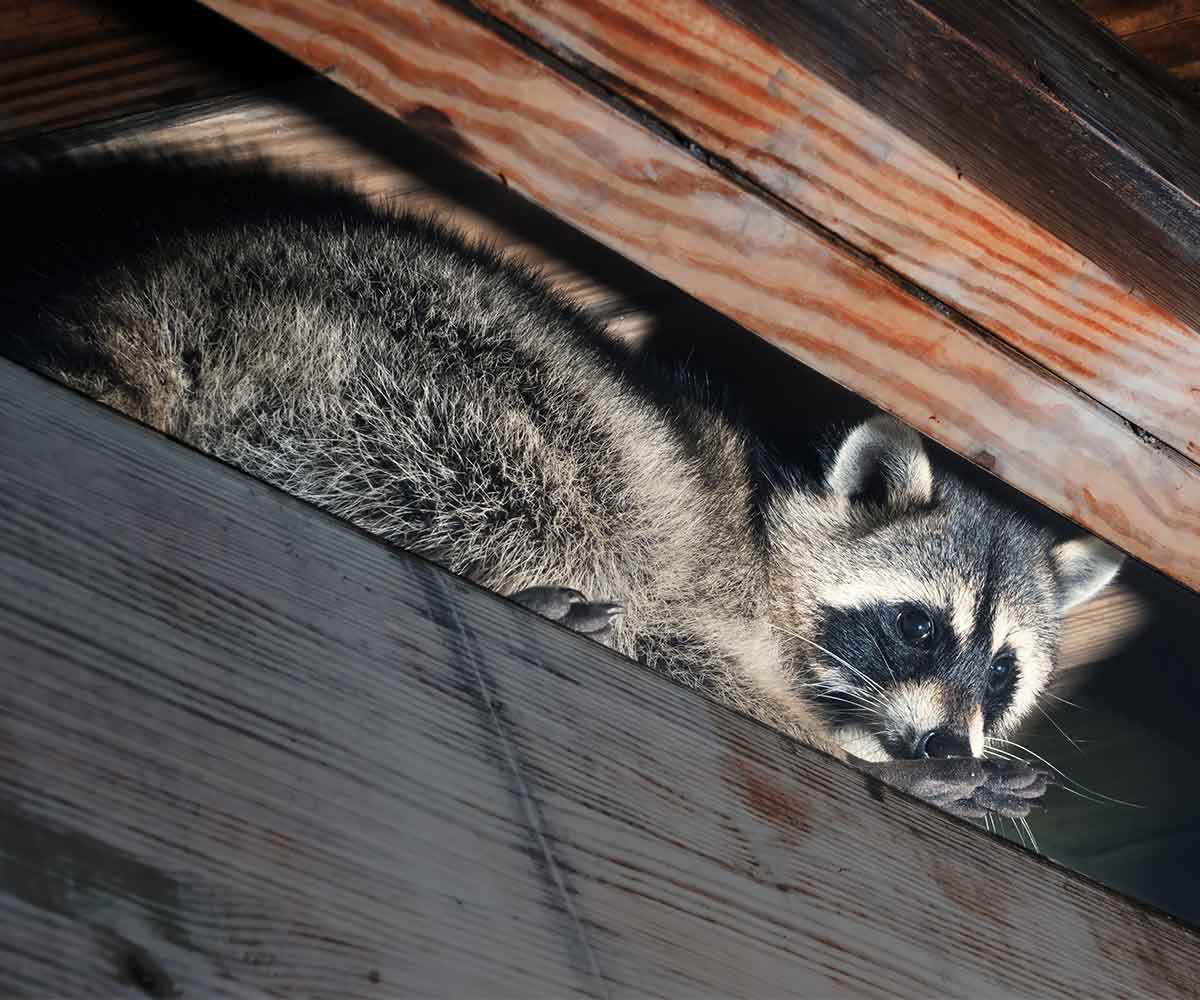
Raccoons are strong, dexterous animals that can cause noticeable property damage. Common signs include heavy nighttime movement in the attic, loud thumping or dragging sounds, torn soffits, damaged vents, overturned garbage, and larger droppings near a denning area.
A raccoon may use an attic, chimney, crawl space, or area beneath a deck as shelter. Because raccoons can damage roofline components and may have young in protected spaces, professional removal is recommended.
Squirrels
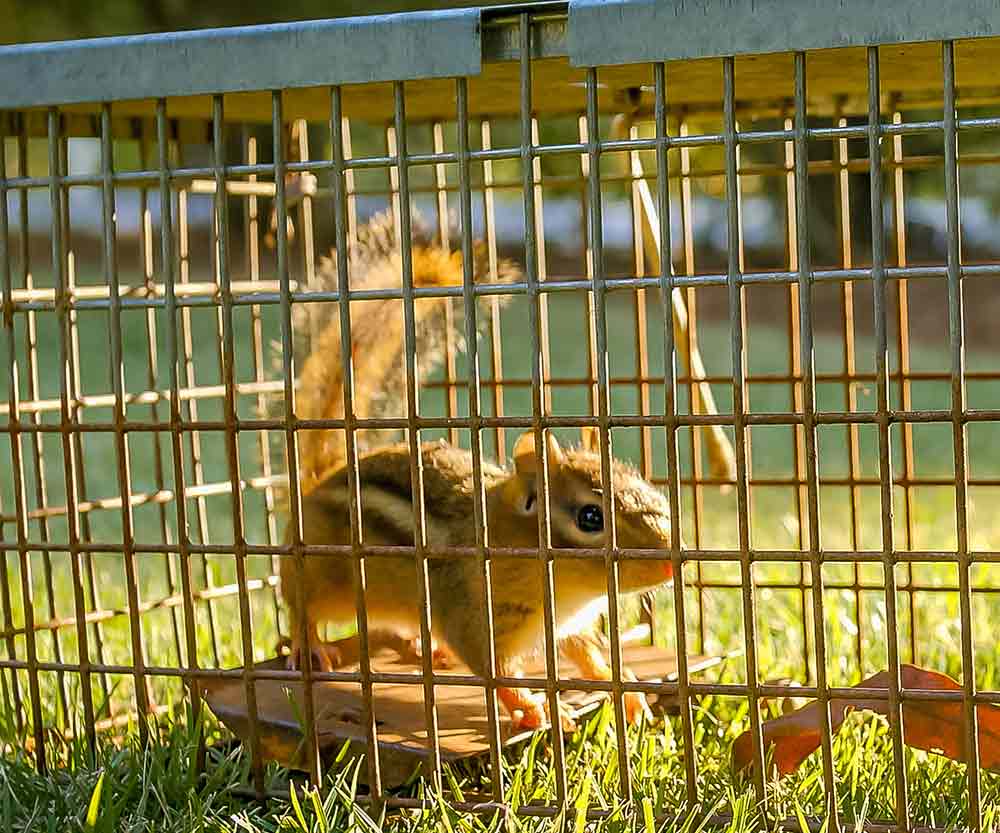
Squirrels are active during the day. You may hear fast scratching, scampering, or rolling sounds in the attic during morning or daytime hours. They may chew through fascia boards, soffits, roof edges, vents, or trim to reach attic spaces.
Other signs include chewed wiring, disturbed insulation, stored food caches, nesting materials, and small openings near the roofline. Squirrels can repeatedly use the same access point if it is not professionally sealed after removal.
Bats
Bats may enter through very small exterior gaps, especially around vents, chimneys, rooflines, siding, and utility openings. Signs can include fluttering or chirping near dusk or dawn, dark staining below a gap, and droppings beneath a roosting area.
Bat exclusion needs careful timing and species-appropriate methods. Do not attempt to seal a suspected bat entry point without professional guidance, as bats may still be inside or may have dependent young.
Opossums
Opossums are usually active at night and may seek shelter beneath decks, porches, sheds, crawl spaces, or in areas with brush and stored materials. Signs may include disturbed trash, food scavenging, a visible den opening, droppings, or nocturnal movement around the property.
Birds
Birds may nest in dryer vents, chimneys, soffits, eaves, signs, or other protected openings. Repeated chirping, nesting material, feathers, droppings, and reduced airflow from a vent can be warning signs. Bird nests and eggs may be protected by law, so professional evaluation is important before disturbing an active nest.
Snakes
Snakes may be found near garages, crawl spaces, gardens, sheds, woodpiles, heavy vegetation, or areas with rodent activity. Shed skins, direct sightings, or snake tracks in dusty or loose soil can indicate activity. Keeping landscaping tidy and managing rodents can reduce the conditions that support snake activity around a property.
When to Schedule an Inspection
Schedule a wildlife inspection promptly if you find evidence of an animal inside your home or business, notice a new entry hole, or experience repeated wildlife activity around the property.
Contact Global Pest Management if you notice:
- Persistent noises in an attic, wall, ceiling, chimney, crawl space, or garage
- Droppings, urine stains, nesting debris, or a strong odor
- Damage to insulation, wiring, ducts, vents, soffits, siding, or roofline materials
- A raccoon, squirrel, bat, bird, opossum, or other animal entering or leaving the structure
- Wildlife trapped inside a living area, garage, vent, chimney, or crawl space
- Repeated garbage disturbance, digging, or wildlife sightings
- Suspected animal activity near children, pets, food-storage areas, or commercial operations
- Evidence that an animal may be raising young in the structure
Global Pest Management provides free inspections and can determine the species involved, where it entered, and what service is needed to safely resolve the problem.
What to Do Before Help Arrives
Avoid direct contact with wildlife, droppings, nests, or suspected entry points. Wildlife may bite or scratch if cornered, and improper removal attempts can increase property damage or trap animals indoors.
Until a professional arrives:
- Keep children and pets away from the affected area.
- Do not handle an animal, attempt to trap it, or use poison.
- Avoid blocking an entry point until a technician confirms the animal has exited.
- Do not sweep or vacuum droppings without appropriate protective measures.
- Secure garbage, pet food, birdseed, compost, and other outdoor food sources.
- Take photos of exterior damage, visible tracks, droppings, or nesting material from a safe distance.
- Note when noises occur, where they occur, and whether activity is daytime or nighttime.
- If wiring damage is suspected, contact a licensed electrician for an evaluation.
Georgia property owners should also be mindful that nuisance-wildlife removal may be regulated. Local government guidance advises using a licensed trapper or contacting the Georgia Department of Natural Resources for nuisance wildlife concerns, while screening chimneys and attic vents can reduce the chance of wildlife entering the home.
Trust Global Pest Management
Global Pest Management provides professional wildlife control for North Georgia homes and businesses. Our team begins by identifying the animal and its entry route, then develops a plan for safe removal, exclusion, and prevention.
Do not ignore scratching noises, droppings, damaged vents, or attic odors. Contact Global Pest Management today to schedule a free wildlife inspection and get a clear plan to protect your property from further wildlife damage.