
Spider InfestationFor North Georgia
Seeing a few spiders is normal, but frequent webbing, egg sacs, or surprise sightings in living spaces can signal a spider infestation that needs attention. An effective response starts with proper identification, cuts down the insects spiders feed on, and corrects the conditions that let spiders establish harborage indoors.
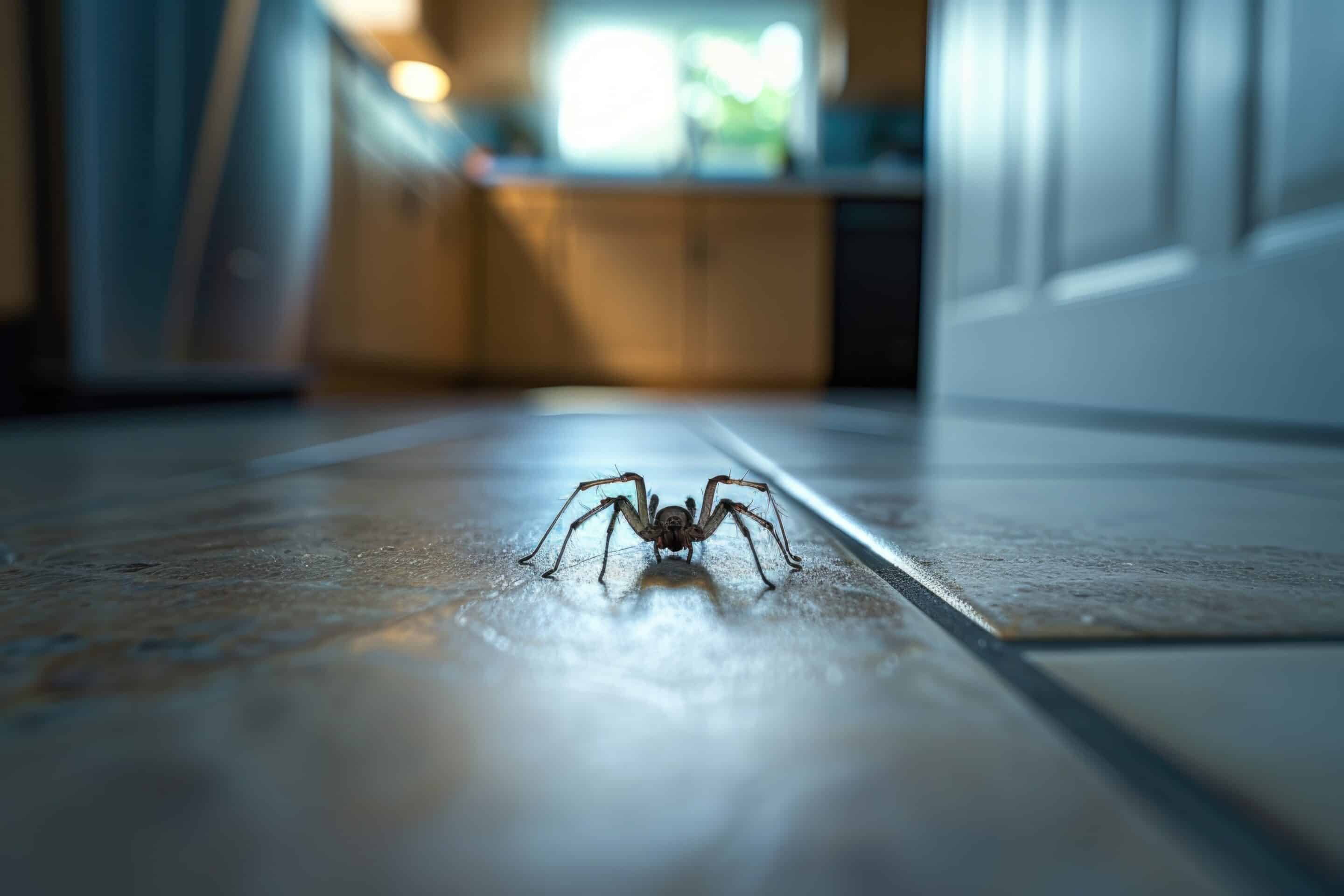
SpiderInfestation
Professional help for a spider infestation begins with pinpointing the species involved and mapping where activity is concentrated. A trained technician will:
- Inspect interior and exterior areas for fresh webbing types, clustered egg sacs, live spiders, and insect activity that sustains them.
- Check basements, garages, attics, and storage zones where spiders hide behind boxes, insulation, and in undisturbed corners.
- Look for structural gaps—around windows and utility lines, missing door sweeps, and unsealed penetrations—that allow spiders and their prey inside.
With these findings, your technician builds a targeted plan that addresses both active spiders and the food sources drawing them in. Treatments often include precise applications along eaves, soffits, window frames, foundations, and other web-building surfaces, plus interior spot treatments in high‑activity rooms and threshold areas.
Why You May HaveSpiders Indoors
Active spider infestations are usually driven by abundant prey and undisturbed shelter. Basements, garages, attics, and storage rooms offer dark, cluttered harborage where spiders can leave layered webs and protect egg sacs, while kitchens, entryways, and exterior walls attract flies and ants that spiders hunt. Unsealed gaps at windows, doors, vents, and utility lines serve as direct entry routes.
Medically significant species like black widows and brown recluse prefer secluded spaces—woodpiles, crawl spaces, wall voids, and rarely accessed closets. Where insects cluster around porch lights, doorways, and soffits, spiders follow the food trail and expand indoors, especially during seasonal spikes or after heavy rains drive them to dry shelter.


Why Choose Global Pest Management ForYour Spider Control?
Global Pest Management understands the spider species common to North Georgia and how weather patterns, landscaping, and construction features influence infestation pressure. Our technicians go beyond sweeping webs—they determine which spiders you have, locate harborage and entry points, and identify the conducive conditions fueling the problem so solutions last.
We pair precise treatments with practical guidance to keep pressure down, from sealing access points and tuning exterior lighting to reducing insect hotspots that attract spiders. Through detailed inspections, clear explanations, and reliable follow‑ups, Global Pest Management provides effective spider exterminator services that restore comfort and safety to your home or business.
Our Spider ControlServices

Homeowner Guide to Active Spider Infestations
Residential spider infestation services focus on removing active spiders, disrupting breeding, and reducing the conditions that let webs reappear. Services may include:
- Removing visible webbing and egg sacs from porches, ceilings, corners, light fixtures, and exterior overhangs.
- Applying targeted treatments along foundations, entryways, and gaps at windows and doors where spiders and prey insects travel.
- Recommending fixes such as door sweeps, tighter sealing around frames, and lighting adjustments that reduce night‑flying insects—and with them, spiders.
Homeowners can support recovery by decluttering storage areas, using sealed bins, and vacuuming fresh webs or egg sacs promptly. Keeping flies, ants, and other insects in check inside and around the exterior is one of the most dependable ways to suppress spider activity.

Why Commercial Spider Issues Differ (and when to call a pro)
Entrances, signage, loading docks, and high ceilings in North Georgia commercial spaces can quickly show visible webbing during an infestation. Commercial spider response typically includes:
- Routine visits to remove webs, collect egg sacs, and treat recurring hot spots.
- Targeted applications near doors, exterior lighting, soffits, and perimeter zones where insects and spiders concentrate.
- Actionable guidance for maintenance teams on sealing gaps, installing door sweeps, and adjusting lighting to limit both spiders and their prey.
Managing spider populations protects your brand image by keeping entryways clear, supports sanitation standards, and creates a more comfortable environment for staff and customers.
Preventingfuture spider problems
When you suspect an active spider infestation, a quick professional response paired with a few smart habits at home can stop the surge and keep spiders from rebounding. Before and between visits, take these steps to curb activity and remove the conditions spiders rely on:
- Seal entry points by caulking cracks and gaps around windows, doors, and utility lines and installing tight‑fitting door sweeps.
- Adjust outdoor lighting or switch to bulbs that attract fewer insects, reducing the food sources that draw spiders to your home or business.
- Keep shrubs, bushes, and woodpiles away from exterior walls and foundations.
- Reduce clutter in basements, garages, and storage areas so spiders have fewer hiding spots.
- Regularly remove spiders webs and egg sacs indoors and out.
Combined with a targeted treatment from Global Pest and a plan that addresses harborage areas and web hotspots, these actions help cut down webbing, egg sacs, and surprise sightings—so you can regain control of your space quickly and confidently.
Frequently Asked QuestionsAbout Spider Pest Control
Do Spiders Indicate Other Pests? Understanding Food and Harborage Links
Often, yes. An uptick in spiders usually means abundant prey insects and undisturbed hiding spots such as crawl spaces, eaves, and storage rooms. Tackling the food source—flies, ants, and other small insects—alongside strategic spider removal is the most dependable way to knock down an active infestation and keep it from returning.
Safety and Health: Family, Pets, and When to Seek Medical Advice
Global Pest follows integrated pest management practices to minimize risk while targeting spiders where they live and hunt. Our technicians apply products to cracks, voids, corners, threshold areas, and exterior foundations—not open living spaces—and will outline any brief safety steps, like staying off treated surfaces until dry, so families and pets remain protected.
Resolution Timeline: What to Expect and How to Monitor Progress
Most homes see fewer webs and sightings within a few days as existing spiders are eliminated and new webbing is removed. Heavier infestations—especially those with widespread egg sacs or cluttered harborage—may require a follow‑up visit and short‑term monitoring with sticky traps to ensure the population collapses and stays down.
Service Coverage Areas and Availability
Global Pest Management provides professional spider infestation inspections and treatments in Buford, Dahlonega, Dawsonville, Suwanee, and surrounding communities. Our team responds quickly to active infestations, targets webbing and egg sacs, and helps you restore a safer, more comfortable home.
