
Spider InspectionFor North Georgia
Spiders are valuable predators outdoors, but when they show up inside, it’s important to understand what brought them in and where they’re nesting. A professional spider inspection pinpoints species, activity zones, and the conditions that allow spiders to thrive, giving you a clear picture of risks and next steps before any treatment is considered.
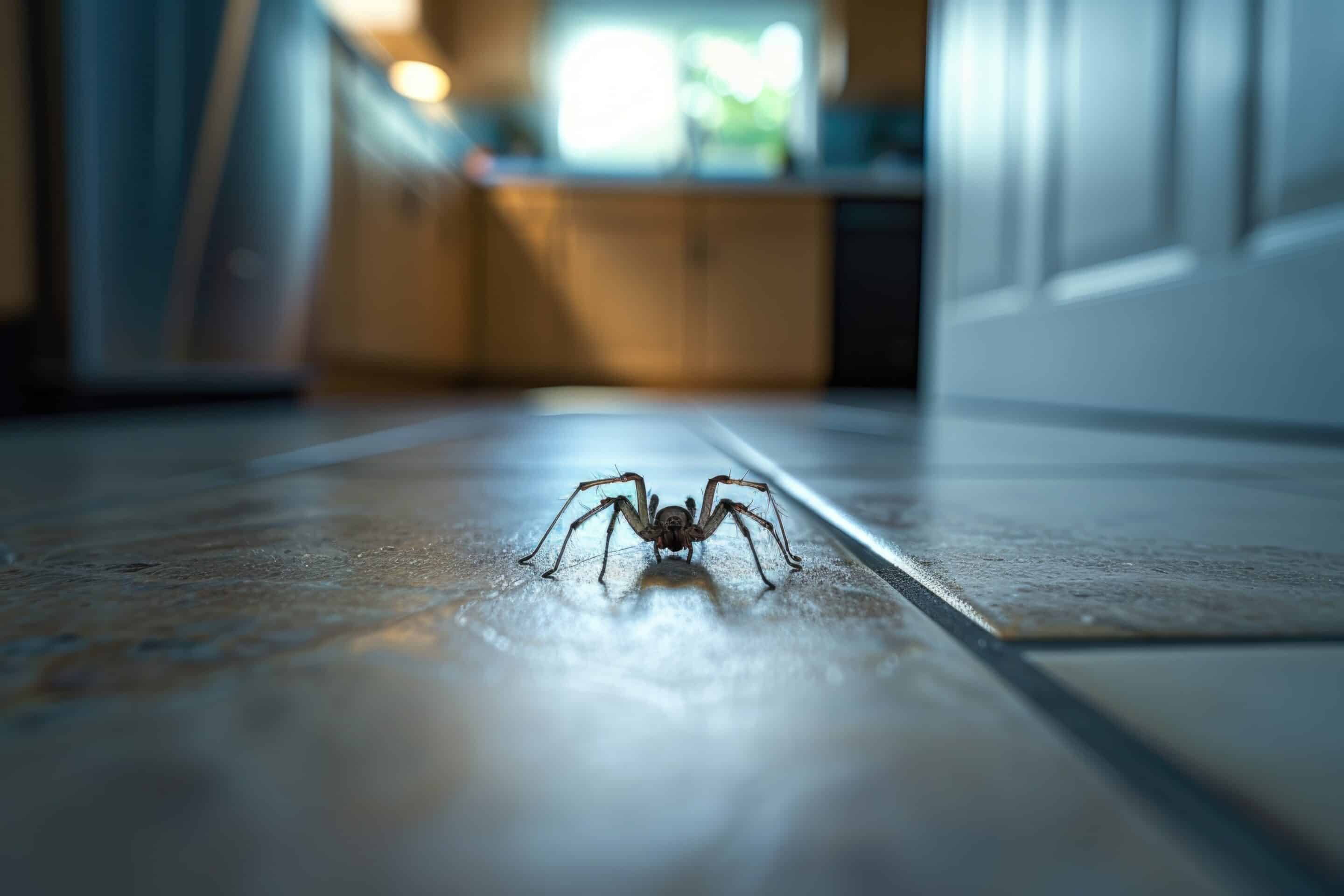
ProfessionalSpider Inspection Services
Every effective spider service begins with a detailed inspection that identifies who’s present and where they’re most active. During a Global Pest visit, a trained technician will:
- Survey interior and exterior areas for webs, egg sacs, live spiders, shed skins, droppings, and insect activity that supports spider populations.
- Examine basements, garages, attics, and storage rooms—common harborage sites where spiders remain undisturbed.
- Evaluate entry points and structural gaps around windows, thresholds, door sweeps, vents, and utility penetrations that allow spiders and their prey inside.
After documenting findings, your technician explains the level of activity, potential species involved, and risk factors, then outlines recommendations tailored to the structure. If treatment is warranted, we’ll note the specific areas to target—such as eaves, soffits, window frames, and interior hot spots—based on what the inspection uncovered.
Why You May HaveSpiders Indoors
Accurate spider inspections focus on why spiders are using your home in the first place. Quiet zones like basements, garages, attics, and cluttered storage provide ideal harborage, while kitchens, entryways, and exterior walls often attract insects that spiders feed on. Technicians look closely at gaps near windows, doors, vents, and utility lines to determine how spiders and their prey are entering.
Higher‑risk species such as black widows and brown recluses favor dark, undisturbed spaces—woodpiles, crawl spaces, and seldom‑accessed corners. Where outdoor lighting draws insects around porches and doorways, inspectors expect to see webbing nearby and trace pathways that may lead indoors. These clues help us distinguish routine activity from situations that need immediate attention.
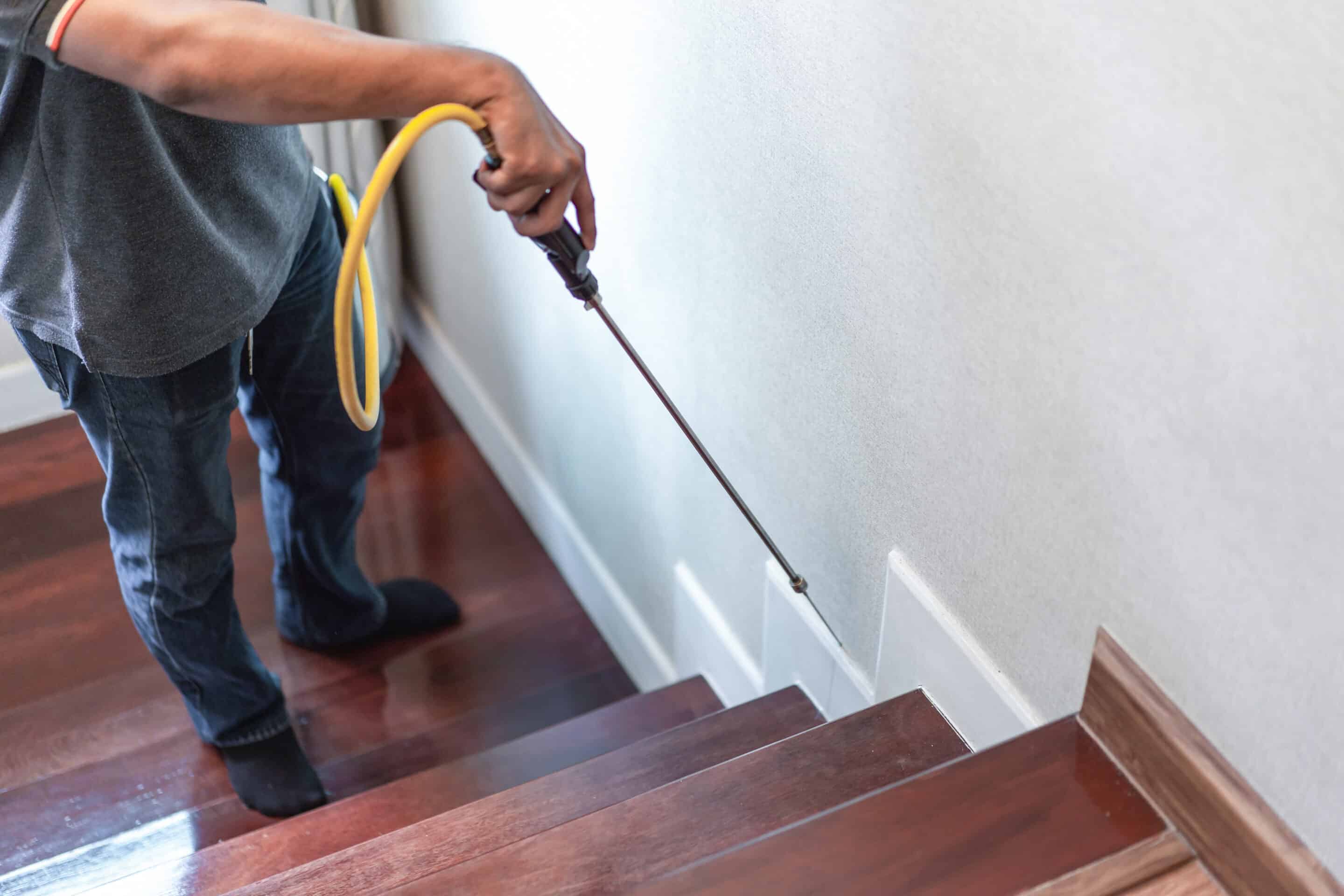

Why Choose Global Pest Management ForYour Spider Control?
Global Pest Management knows the spider species common to North Georgia and how seasonal weather, landscaping, and construction details influence where they hide. Our inspections go beyond knocking down webs—we identify the species, map out harborage and travel routes, and document the conditions fueling activity so you know exactly what you’re dealing with.
Following each inspection, we provide clear findings and practical recommendations, from addressing entry points to reducing the insect pressure that sustains spiders. When treatment is appropriate, we outline a targeted plan and follow up to verify results. With thorough evaluations, transparent communication, and dependable reporting, Global Pest Management delivers professional spider exterminator services informed by a precise inspection process.
Our Spider ControlServices

Spider inspection for homes
A residential spider inspection assesses where spiders are entering, nesting, and feeding so you understand the scope of activity before deciding on treatment. Your inspection may include:
- Systematic checks for webs and egg sacs along porches, ceilings, corners, exterior overhangs, and window frames.
- Review of foundations, thresholds, and gaps around doors, windows, and utility lines to locate entry points and high‑traffic routes.
- Actionable recommendations, such as improving door sweeps or sealing around frames, plus notes on lighting and landscape factors that elevate risk.
To prepare, homeowners can tidy storage spaces, allow attic and crawl space access, and note recent sightings. A clear, photo‑backed report helps you make informed choices and reduces surprises during any follow‑up service.

Spider inspection for businesses and commercial buildings
Facilities such as offices, warehouses, restaurants, and retail sites often experience spider activity around entrances, signage, dock doors, and high ceilings. A commercial inspection typically includes:
- Routine assessments to document and remove webbing, identify egg sacs, and record activity trends by area and season.
- Focused evaluations of doors, exterior lighting, loading zones, and perimeters to map insect pressure and spider harborage.
- Concise recommendations for facilities teams on sealing gaps, optimizing door sweeps, and adjusting lighting schedules to lower risk.
Accurate inspection and reporting help protect brand image, support audit readiness, and inform targeted service that keeps work environments comfortable and professional.
Preventingfuture spider problems
A thorough spider inspection starts with understanding where spiders hide, how they enter, and what is attracting them. Before Global Pest arrives, a few simple steps can help us see true activity and access key areas:
- Clear access to baseboards, window sills, door thresholds, and utility penetrations so inspectors can examine gaps, caulk lines, and weatherstripping.
- Turn on exterior fixtures and note which lights draw the most insects; our inspector will evaluate lighting as a contributing factor during the exterior survey.
- Move stacked lumber, stored items, and vegetation back from exterior walls and foundations to reveal webbing, egg sacs, and potential entry points.
- Organize basements, garages, and storage rooms so we can assess corners, ceilings, and shelving where spiders commonly harbor.
- Avoid removing webs or egg sacs for 48 hours prior to the visit; fresh signs help us map activity and species locations accurately.
Preparing in this way allows Global Pest to conduct a precise spider inspection, document evidence clearly, and provide targeted recommendations that address the specific conditions found at your home or business.
Frequently Asked QuestionsAbout Spider Inspection
Do spiders in my home indicate another issue the inspection will uncover?
Often they do. During a professional spider inspection, Global Pest evaluates not only spider activity but also the underlying insect pressure and structural conditions—such as gaps, lighting, and moisture—that draw spiders indoors. Identifying these drivers during the inspection helps explain why spiders are present and informs our recommendations.
Is the spider inspection process safe for my family and pets?
Yes. An inspection is observational and noninvasive. Our technicians use flashlights, mirrors, webbing wands, and monitoring devices to assess areas like eaves, crawl spaces, basements, and attics. If monitors are placed, they are discreet and non-toxic. We will discuss any follow-up steps and simple precautions if additional services are recommended.
When will I receive findings from a spider inspection?
Most homeowners receive an on-the-spot summary, with a written service report shortly after the visit. The report outlines where webs, egg sacs, droppings, or live spiders were observed; species risk considerations; contributing conditions; and prioritized next steps. Homes with extensive access areas, like large crawl spaces, may require additional time for a complete write-up.
Our Service Area
Global Pest Management provides professional spider inspection services in Buford, Dahlonega, Dawsonville, Suwanee, and surrounding communities. Our inspectors thoroughly evaluate interiors and exteriors—attics, crawl spaces, eaves, and garages—to document evidence and provide clear recommendations tailored to your property.
