
Spider Webs& Egg Sacs
Spider silk is remarkable in nature, but webs and egg sacs inside your home or business create mess, invite re‑webbing, and may release dozens of spiderlings. An effective plan for spider webs and egg sacs starts with understanding the web type and species involved, locating hidden egg sacs, and correcting the conditions that let spiders rebuild after you clean.
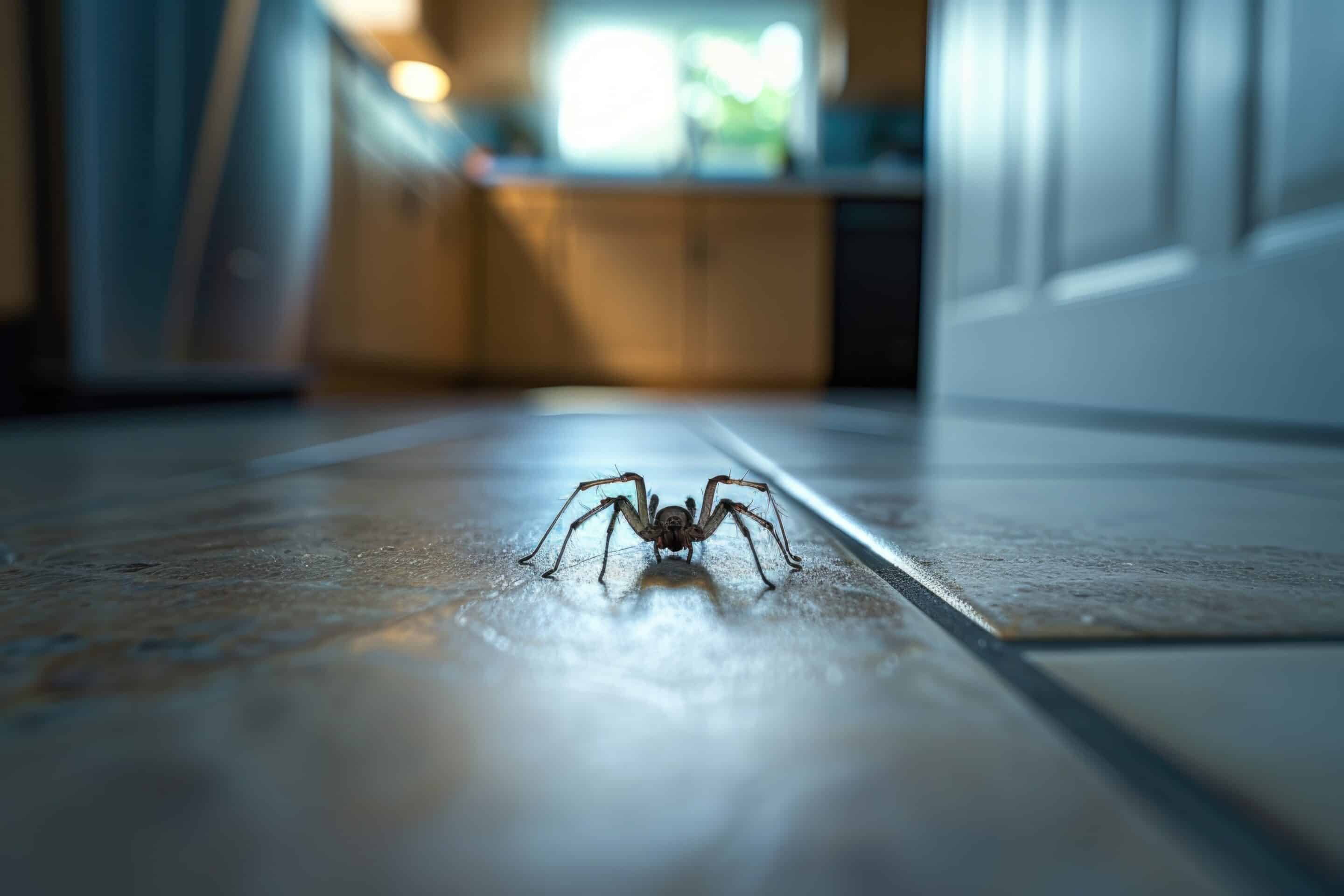
Spider Webs& Egg Sacs
Professional management of spider webs and egg sacs begins with correctly identifying the web architecture and where egg sacs are secured. A trained technician will:
- Inspect interior and exterior areas for cobwebs, orb webs, sheet or tangle webs, attached egg sacs, active spiders, and insect hot spots that feed web‑builders.
- Check basements, garages, attics, and storage zones where egg sacs are often tucked under shelves, in insulation, and behind undisturbed items.
- Look for entry points—gaps at windows, missing door sweeps, and unsealed utility penetrations—that allow new spiders to enter and re‑web.
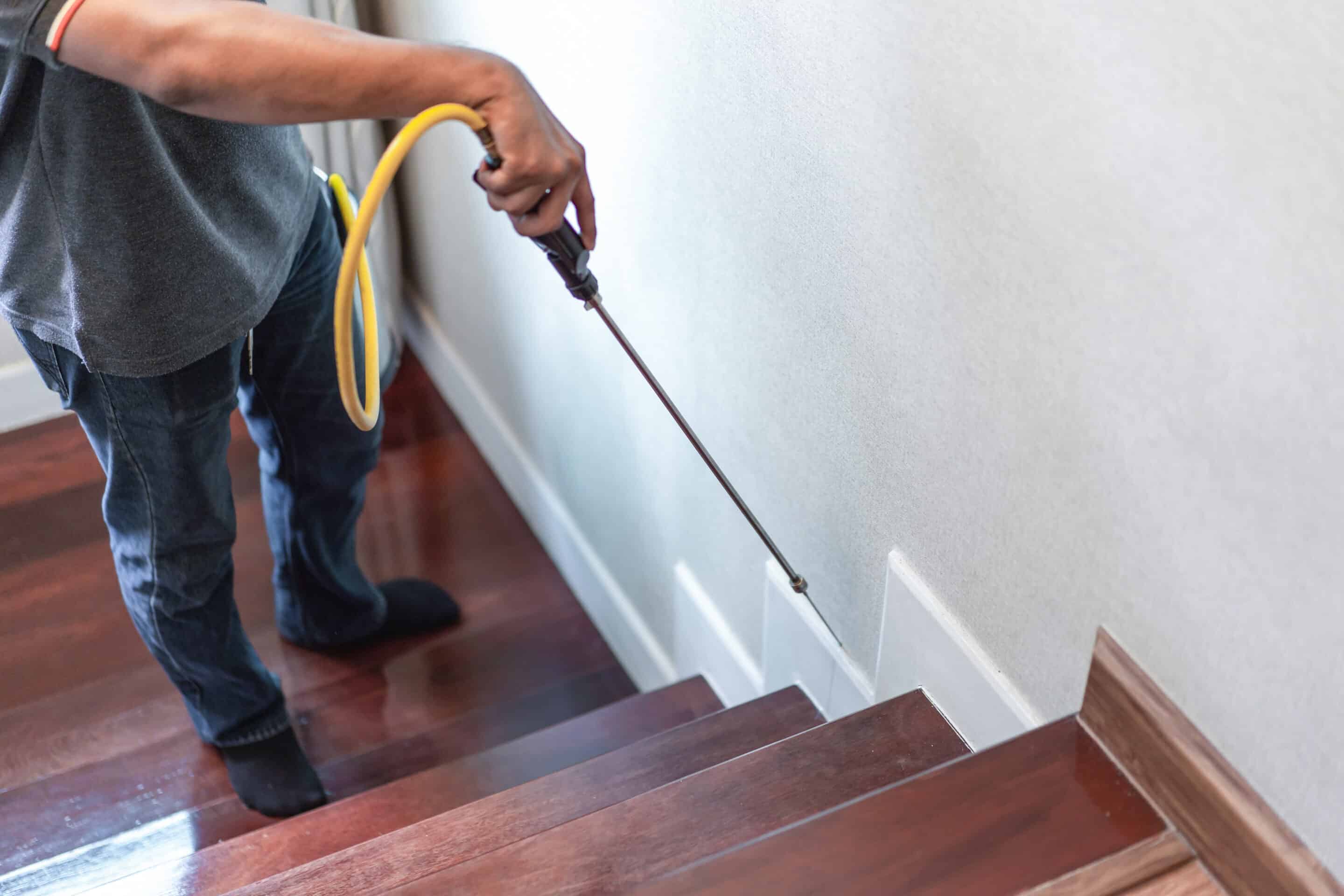
Using these findings, your technician creates a removal and prevention plan that safely detaches webs and sacs, disposes of them correctly, and limits rapid rebuilding. Services typically include precise de‑webbing around eaves, soffits, window frames, foundations, and light fixtures, followed by targeted treatments and interior spot work where spiders anchor silk and stash egg sacs.
Why You May HaveSpiders Indoors
Different spiders build different structures—orb weavers stretch circular nets near lights and gardens, cobweb spiders make sticky tangles in corners, and sheet web weavers lay low, blanket‑like mats under furniture and shrubs. Indoors, quiet storage zones such as basements, garages, attics, and utility rooms let webs remain undisturbed, while kitchens, entryways, and exterior walls draw insects that fuel new web construction.
Egg sacs are commonly hidden in dark, cluttered areas: beneath shelving, inside cardboard, along joists, behind appliances, or outside under porch rails and patio furniture. Around bright outdoor lighting, porches, and doorways, insects accumulate and spiders follow—anchoring webs close to traffic and often fastening silk egg sacs nearby. Without sealing gaps at windows, doors, vents, and utility lines, new spiders can enter and re‑establish webs even after a thorough cleanup.

Why Choose Global Pest Management ForYour Spider Control?
Global Pest Management understands how local species in North Georgia build and place webs and egg sacs, and how weather, landscaping, and construction details influence where silk anchors. Our technicians do more than sweep away strands—they find the egg sacs you don’t see, explain which species made them, and address the reasons webs keep returning so your results last.
We pair careful web and egg sac removal with practical steps that limit re‑webbing, including sealing access points, adjusting outdoor lighting that draws insects, and reducing the pests spiders feed on. With detailed inspections, clear guidance, and reliable follow‑up, Global Pest Management provides thorough spider exterminator services that keep webs and egg sacs under control and your property looking its best year‑round.
Our Spider ControlServices

Home spider webs and egg sacs: identification and control
Residential web and egg sac management focuses on safe removal now and reducing re‑webbing over time. Services may include:
- Detaching and collecting visible webs and egg sacs from porches, ceilings, window corners, soffits, and exterior overhangs with webbing brushes and vacuum attachments.
- Applying targeted treatments around foundations, entryways, and gaps at windows and doors where spiders anchor silk and insects concentrate.
- Recommending upgrades like door sweeps, sealing around frames, and lighting adjustments that reduce nighttime insect swarms—and the webs that follow.
Homeowners can help by decluttering storage areas, using sealed plastic bins instead of cardboard, and vacuuming stray webs and any discovered egg sacs directly into a disposable bag. Keeping indoor and perimeter insects in check is one of the most dependable ways to minimize new web building.

Commercial properties: managing webs and egg sacs safely
Offices, warehouses, restaurants, and other commercial properties in North Georgia frequently see webs around entrances, signage, loading docks, and high rafters. Commercial services typically include:
- Scheduled visits to remove visible webs at height, collect and dispose of egg sacs safely, and treat recurrent problem zones.
- Focused applications near doors, exterior lighting, and building perimeters where insects gather and spiders continually rebuild.
- Actionable recommendations for maintenance teams on sealing penetrations, installing door sweeps, and adjusting lighting color and placement to deter re‑webbing.
Consistent control of webs and egg sacs helps protect your brand image, maintain clean sightlines for customers, and provide a safer, more comfortable environment for staff.
Preventingfuture spider problems
Managing spider webs and egg sacs takes a mix of smart prevention and routine cleanup between professional visits. To cut down on re-webbing and hidden egg sacs:
- Seal entry points by caulking cracks and gaps around windows, doors, and utility lines and installing tight‑fitting door sweeps.
- Adjust outdoor lighting or switch to bulbs that attract fewer insects, reducing the food sources that draw spiders to your home or business.
- Keep shrubs, bushes, and woodpiles away from exterior walls and foundations.
- Reduce clutter in basements, garages, and storage areas so spiders have fewer hiding spots.
- Regularly remove spiders webs and egg sacs indoors and out.
When these habits are paired with a Global Pest maintenance plan—complete with targeted web knockdowns, careful egg sac removal, and exterior barrier work—you can limit spiderling emergence, slow new web construction, and keep spaces clearer season after season.
Frequently Asked QuestionsAbout Spider Pest Control
Web types and their spiders: orb, sheet, tangle, and cobweb links
Yes. Orb-shaped nets often indicate orb weavers, messy tangle webs suggest cobweb spiders, and sheet-like mats can signal sheet weavers. Recognizing the web architecture helps determine where egg sacs may be hidden and guides safe removal and prevention steps.
DIY egg sac removal: risks, protective gear, and when to call a pro
Use caution. Wear gloves and eye protection, and place egg sacs directly into a sealed bag or vacuum with a HEPA attachment, then dispose of the bag outdoors. Avoid crushing sacs indoors—hundreds of spiderlings can disperse quickly. Global Pest can handle high or hard-to-reach areas and identify sacs from medically significant species.
Preventing re-webbing after cleanup: tools, methods, and timing
Spiders can rebuild overnight, especially around lights, soffits, and corners. Consistent web removal, reducing insect prey, and sealing gaps slows re-webbing. For persistent hotspots, Global Pest provides scheduled knockdowns and monitoring to keep new webs and egg sacs to a minimum.
Service areas we cover
Global Pest Management provides expert help with spider webs and egg sacs in Buford, Dahlonega, Dawsonville, Suwanee, and surrounding communities. Our team safely removes webs, locates hidden egg sacs, and puts measures in place to reduce re‑webbing around your home year‑round.
