
Termite DamageHow to Spot an Infestation Early
Concerned about termite damage? Spot the early clues and contact Global Pest Management now for prompt, expert inspection, documentation, and repair-focused treatment guidance.

Signs of Termite Damage Every Homeowner Should KnowHeading
Termite damage often builds out of sight, undermining joists, subfloors, and framing long before surface clues appear. Because termites feed on cellulose within wood and paper-based materials, they tunnel internally while leaving paint or drywall looking intact—quietly reducing structural strength. Global Pest Management helps homeowners identify damage early, map the extent, and coordinate treatment that protects the structure while you plan repairs.
Recognizing early warning signs lets you act before damage shifts from cosmetic to structural, saving time, money, and potential safety risks.
Early Warning Signs of Termite Activity (mud tubes, frass, blistered paint, hollow wood)
Unchecked activity can hollow out studs, rim joists, and sill plates, leading to soft or spongy floors, doors that go out of square, and cracks that telegraph through trim and drywall. Left longer, load-bearing elements may be compromised.
Moisture problems—past leaks, poor ventilation, or damp crawl spaces—accelerate deterioration and attract termites. Routine inspections with Global Pest Management are a proven way to catch and address damage before costly reconstruction is required.
Common Signs ofTermite Activity
Watch for these early signs of termite damage: mud tubes along foundations or piers; pinhole openings with fine, sand-like frass; blistered or bubbling paint; wood that sounds hollow when tapped; sagging or uneven floors; and stuck windows or doors caused by distorted frames.
Mud Tubes on Foundations
Subterranean termites build mud tubes to travel safely between their nest and food source. These are often found along foundations or in a crawl space.
Swarmers and Discarded Wings
Termite swarmers, or swarmers flying termites, shed their wings after finding a place to start a new termite colony. Wings near windows, doors, or light sources are a strong warning sign.
Hollow or Damaged Wood
Wood that sounds hollow when tapped or appears blistered may indicate termites feeding inside. Over time, this can weaken structural components.
Frass (Droppings)
Drywood termites leave behind pellet-like droppings that resemble sawdust near infested areas.
Warped Doors and Frames
Moisture from termite activity can cause wood to swell, making doors, windows, or a door frame difficult to open or close.
Faint Clicking Sounds
In quiet conditions, termites moving inside walls may produce soft clicking sounds.
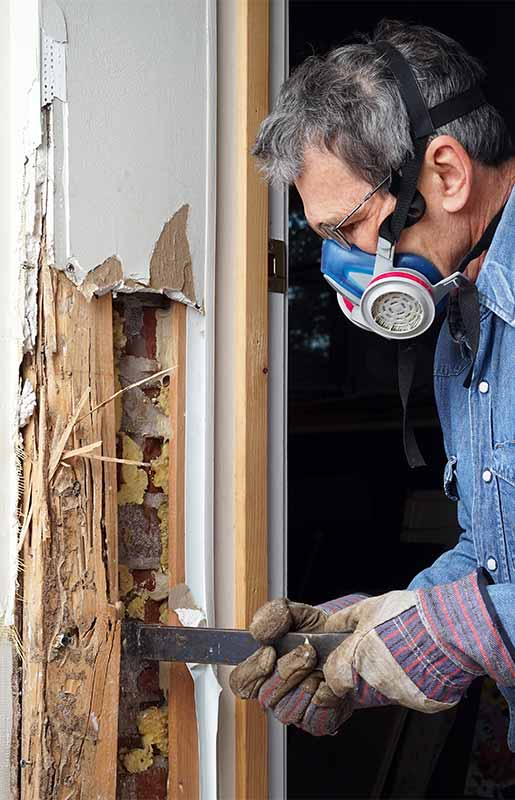
Common Termite Damage Patterns and Affected Materials
Different termites leave distinct damage profiles. Subterranean species often build mud tubes and consume springwood first, leaving a layered, honeycombed interior. Formosan subterranean termites can expand rapidly and inflict extensive structural damage in a short period. Drywood termites nest within timbers and produce pellet-like frass, with galleries running across the grain. Knowing the pattern helps Global Pest Management select the right treatment and prioritize repairs.
High-Risk Areasin Your Home

Termite damage tends to concentrate where wood and moisture meet or where access is easy:
- Crawl space and basement areas
- Around foundations and support beams
- Attics with exposed wood
- Areas affected by leaks or water damage
- Wooden decks, fences, and door frame structures
Regular checks in these zones can reveal damage such as soft subflooring, deteriorating sill plates, and compromised trim before structural repairs escalate.
Why You Need A Termite Inspection
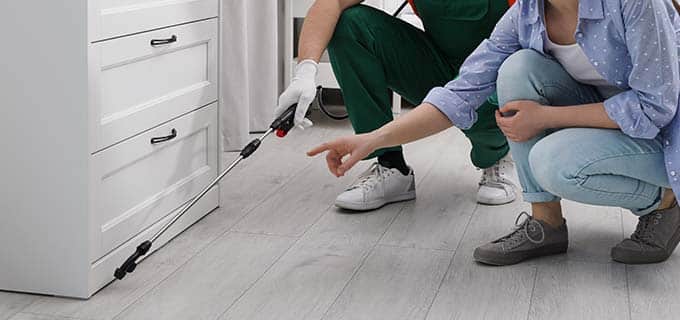
If you see possible damage, a professional assessment is the most dependable way to verify scope and plan next steps. Global Pest Management inspects accessible and concealed areas—crawl spaces, subflooring, and wall voids—to document damage and active activity.
Our services include:
- Detailed termite inspection using moisture meters and probing tools
- Identification of termite type and damage pattern, including Formosan activity
- Treatment sequencing that stops activity before repairs begin
- Preventative recommendations and basic documentation to support estimates or insurance discussions
How to Prevent aTermite Problem

Spotting and limiting the conditions that allow termites to thrive will reduce the chance of damage and make problems easier to catch early:
- Fix plumbing leaks and dry out wet areas promptly to deter wood decay and termite activity
- Store firewood, mulch, and scrap lumber away from the foundation to remove easy feeding sites
- Seal gaps around utilities and cracks in slabs to cut off hidden entry routes
- Improve airflow in crawl spaces with proper vents or dehumidification to lower moisture
- Book routine termite inspections to detect mud tubes, frass, or soft wood before structural issues develop

Answers About Identifying and Handling Termite Damage
Termite Swarmers: What They Indicate and Next Steps
Swarmers are the winged, reproductive stage of termites that emerge to start new colonies. Finding discarded wings on windowsills or seeing brief indoor swarms often signals an active infestation and potential damage nearby.
High-Risk Areas to Inspect: Subfloors, Joists, Foundations, and More
Begin with areas prone to moisture and wood-to-soil contact: crawl spaces, sill plates, piers, foundation cracks, subfloors near bathrooms or kitchens, and exterior steps or deck posts.
Recognizing Wood Deterioration vs. Cosmetic Surface Issues
Wood may sound hollow, show blistered paint, or reveal papery layers with mud-lined galleries beneath the surface. Severe damage can lead to spongy subfloors, loose baseboards, or sagging joists.
Inspection Frequency and Monitoring Strategies
An annual inspection is recommended, and semiannual checks are wise for high-risk homes with prior activity, heavy moisture, or extensive landscaping against the structure.
Formosan Termites: Unique Risks and Rapid Structural Impact
Yes. Formosan subterranean termites build massive colonies and can compromise structural components rapidly, requiring swift assessment, robust treatment, and close post-treatment monitoring.
Why Work With a Licensed Termite Remediation Specialist
Global Pest Management specializes in identifying, documenting, and remediating termite damage with solutions designed for long-term stability. Our licensed team uses moisture meters, probing tools, and targeted treatments to stop active feeding, protect load-bearing elements, and help you plan repairs with confidence.
Plan Your Treatment and Repair Timeline
Termite damage often develops out of sight, weakening subfloors, sill plates, and joists before symptoms appear. Early indicators—mud tubes, frass, blistered paint, or hollow-sounding trim—warrant immediate attention to prevent costlier structural repairs.
If you suspect damage, contact Global Pest Management today. We’ll perform a thorough inspection, outline the extent of deterioration, recommend the right treatment sequence, and coordinate timing so repairs restore your home’s structural integrity.
