
What Attracts RodentsFor North Georgia
Learn what attracts rodents and how to remove those lures with help from Global Pest Management. Identify food, water, and shelter sources—book a free inspection now!

What Draws Rodents: Key Attractants You Can Control
Rodents don’t invade at random. They follow dependable resources—easy calories, available moisture, and secure shelter. If your property provides any combination of these, rats and mice will find it and return.
At Global Pest Management, we evaluate the environmental and behavioral factors drawing rodents in, then help you correct them. Our experts pinpoint indoor and outdoor food sources, moisture issues, harborage sites, and structural gaps so you can make targeted changes that reduce pressure and keep rodents from being attracted to your space long term.
Why Rodent ControlIs Essential
Understanding attractants isn’t just about comfort—it prevents health risks and property damage before they start. When food waste, standing water, and clutter are available, rodent activity accelerates, nests establish quickly, and the chance of contamination rises.
Key attractants that draw rodents include:
- Food availability: Unsealed pantry items, pet food left out, bird seed, compost, and trash provide consistent calories for rats and mice.
- Moisture and water: Leaking pipes, dripping hoses, clogged gutters, and condensation create reliable drinking sources.
- Shelter and harborage: Cluttered garages, overgrown vegetation, woodpiles, and insulation voids offer protected nesting sites.
- Easy access: Gaps under doors, utility penetrations, roofline openings, and foundation cracks let rodents enter with minimal effort.
A professional mouse exterminator or rat exterminator from Global Pest can assess these attractants, recommend targeted corrections, and lower the likelihood of future rodent pressure. Proactive steps today protect your property and peace of mind.


Signs ofRodent Activity
Clues around your property often point to what’s attracting rodents. Look for:
- Open food sources such as pet bowls, bird feeders, or accessible trash
- Spills, crumbs, or unsealed pantry goods in kitchens and storage
- Persistent moisture from leaks, standing water, or humid crawl spaces
- Heavy clutter, stacked boxes, or undisturbed storage providing nesting cover
- Gaps beneath exterior doors or around utility lines that ease entry
- Overgrown shrubs, ivy, or woodpiles adjacent to the foundation
If these conditions exist, addressing them promptly reduces attraction and helps prevent ongoing rodent activity.
Our Rodent ControlProcess

Skip the Sales Pitch: Focused Guidance on Reducing Attractants
We begin with a detailed inspection to identify:
- Food sources indoors and outdoors, including pet food, seed, and waste
- Moisture problems such as leaks, condensation, and drainage issues
- Structural vulnerabilities like gaps, vents, utility penetrations, and door sweeps
- Harborage areas created by clutter, vegetation, and stored materials
Understanding what’s attracting rodents — typically food, water and shelter — allows us to create a targeted treatment plan.
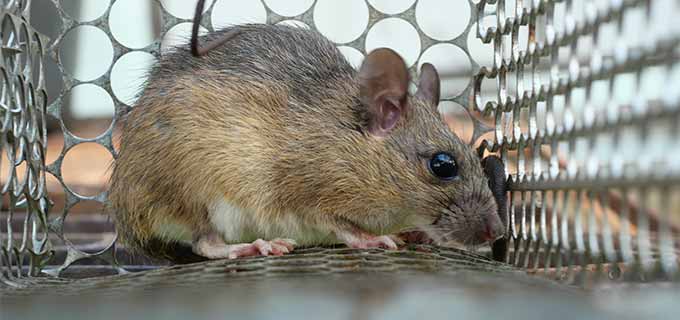
Not About Trapping—How to Remove Lures Before Removal Is Needed
Our professional rodent control services may include:
- Strategic placement of traps while reducing nearby food and water incentives
- Tamper-resistant bait stations positioned away from non-target food sources
- Safe removal of captured rodents
- Recommendations to eliminate attractants and reduce future rodent pressure
Every solution is tailored to your property layout and the specific attractants identified during inspection.
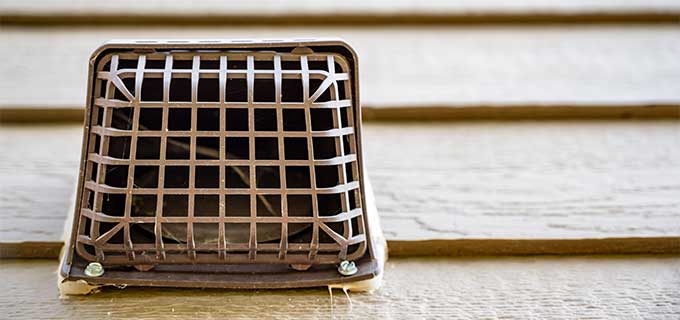
Seal-Out Strategy: Close Gaps and Eliminate Harborage
Understanding what attracts rodents starts with limiting the conditions that draw them in. We:
- Seal cracks and structural gaps
- Close off potential entry points
- Install exclusion materials such as wire mesh
- Provide recommendations to reduce accessible food sources
By removing attractants and blocking access, we reduce the environmental cues that entice rodents to your property.
Eliminating Attractants: Food, Water & Shelter
Rodents seek predictable food, water, and harborage. As part of our service, we provide guidance on:
- Proper storage of dry goods and pet food
- Securing trash bins
- Removing clutter that provides hiding spaces
- Addressing moisture issues
- Eliminating accessible nesting areas
Targeting these specific attractants—indoors and outdoors—helps break the cycle that keeps rodents returning.
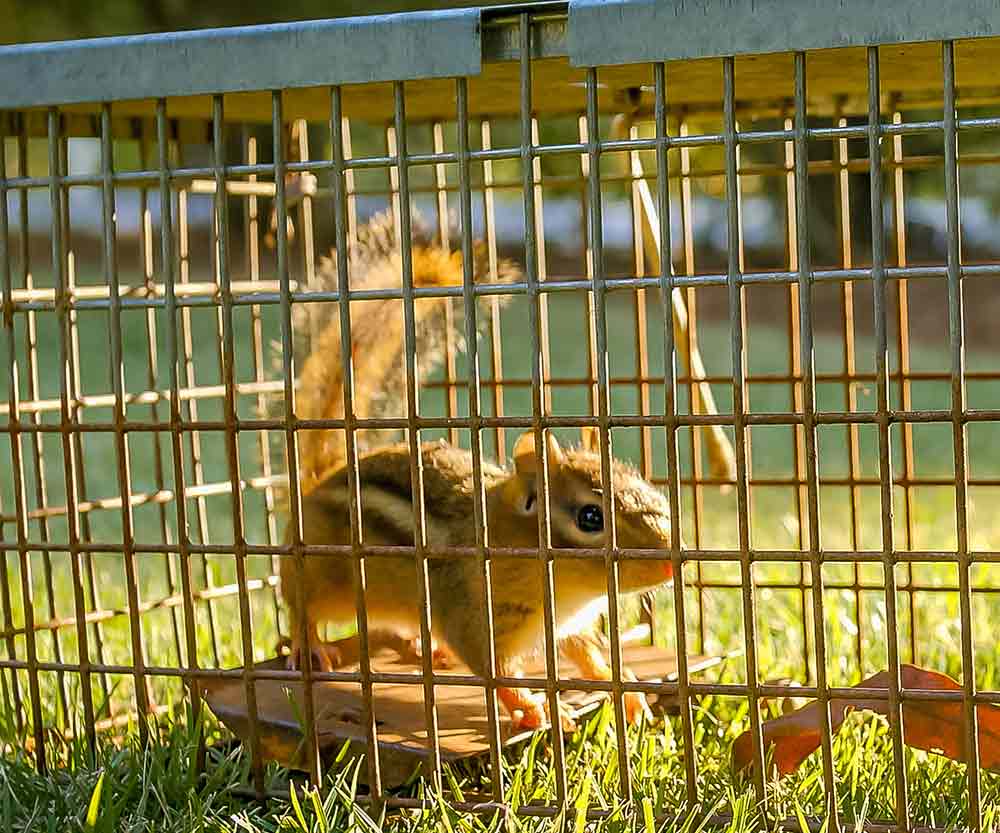

Keep It Rodent-Unfriendly: Ongoing Housekeeping and Checks
Attractants can change with seasons and habits, so we track conditions that lure rodents over time. For properties with recurring pressure, we offer:
- Scheduled follow-up visits
- Monitoring stations
- Regular inspections to catch new rodent activity early
- Adjustments to control methods as needed
This preventative approach keeps food, water, and shelter pressures in check for lasting protection.

Why Reducing Attractants Beats Chasing Infestations
Knowing what attracts rodents is essential to stopping them. Global Pest Management provides:
- Comprehensive pest control expertise
- Customized treatment plans
- Effective snap traps and baiting strategies
- Thorough exclusion work
- Long term prevention strategies
- Safe practices for families and pets
We focus on the root attractants—food, moisture, shelter, and access—so rodents have no reason to settle in.
Frequently AskedQuestions About Rodent Removal
How do I reduce what attracts rodents to my property?
Limit food sources (secure trash, store pantry and pet food in sealed containers), fix leaks and standing water, clear clutter that provides harborage, and seal structural gaps. A professional inspection can pinpoint the highest-risk attractants unique to your home.
Do bird feeders and compost attract rodents?
Yes. Spilled seed, open compost, and unmanaged chicken feed are high-value food sources for rodents. Use catch trays under feeders, keep compost in rodent-resistant bins, and maintain strict cleanup around outdoor feeding areas.
Can weather and seasons increase rodent attraction?
Seasonal shifts drive rodents indoors for warmth, dry nesting sites, and consistent food. Fall and winter typically raise pressure, while heavy rains push rodents toward dry, cluttered shelters and buildings with easy access.
What structural issues make a home more attractive to rodents?
Gaps under doors, unsealed utility penetrations, torn vent screens, and openings around roofing and siding are common access points. These vulnerabilities, combined with nearby food or moisture, significantly increase attraction.
Which human habits unintentionally draw rodents?
Nightly pet bowls left outdoors, overflowing bins, cluttered garages, and overgrown vegetation along foundations create reliable food and shelter. Small behavior changes, paired with exclusion, reduce attraction dramatically.
Next Steps: Prioritize Fixes That Remove Attractants
If you’re seeing conditions that attract rodents—like spilled seed, damp crawlspaces, or cluttered storage—addressing them early prevents activity from escalating.
Contact Global Pest Management today to schedule an inspection and get expert rodent control services designed for long term results.
Where We Advise on Rodent-Attraction Prevention
Global Pest Management offers expert rodent control services throughout Buford, Dawsonville, Dahlonega, Suwanee, GA and the surrounding area. Our team specializes in safely removing rats, mice, and other rodents from homes and businesses while preventing future infestations. Using proven methods and thorough inspections, we protect your property from damage and health risks associated with rodents. Whether you’re dealing with an active infestation or want to prevent one, Global Pest Management is your trusted partner in keeping your North Georgia property rodent-free. Contact us today to schedule professional rodent control in your area.
