
What Attracts SpidersIn North Georgia
Spiders are beneficial predators outdoors, but the same instincts can draw them into homes and businesses. Understanding what attracts spiders is the first step: they follow dependable prey sources, settle into protected harborage, and exploit moisture and small entry gaps. A smart plan focuses on reducing the factors that invite spiders in the first place.
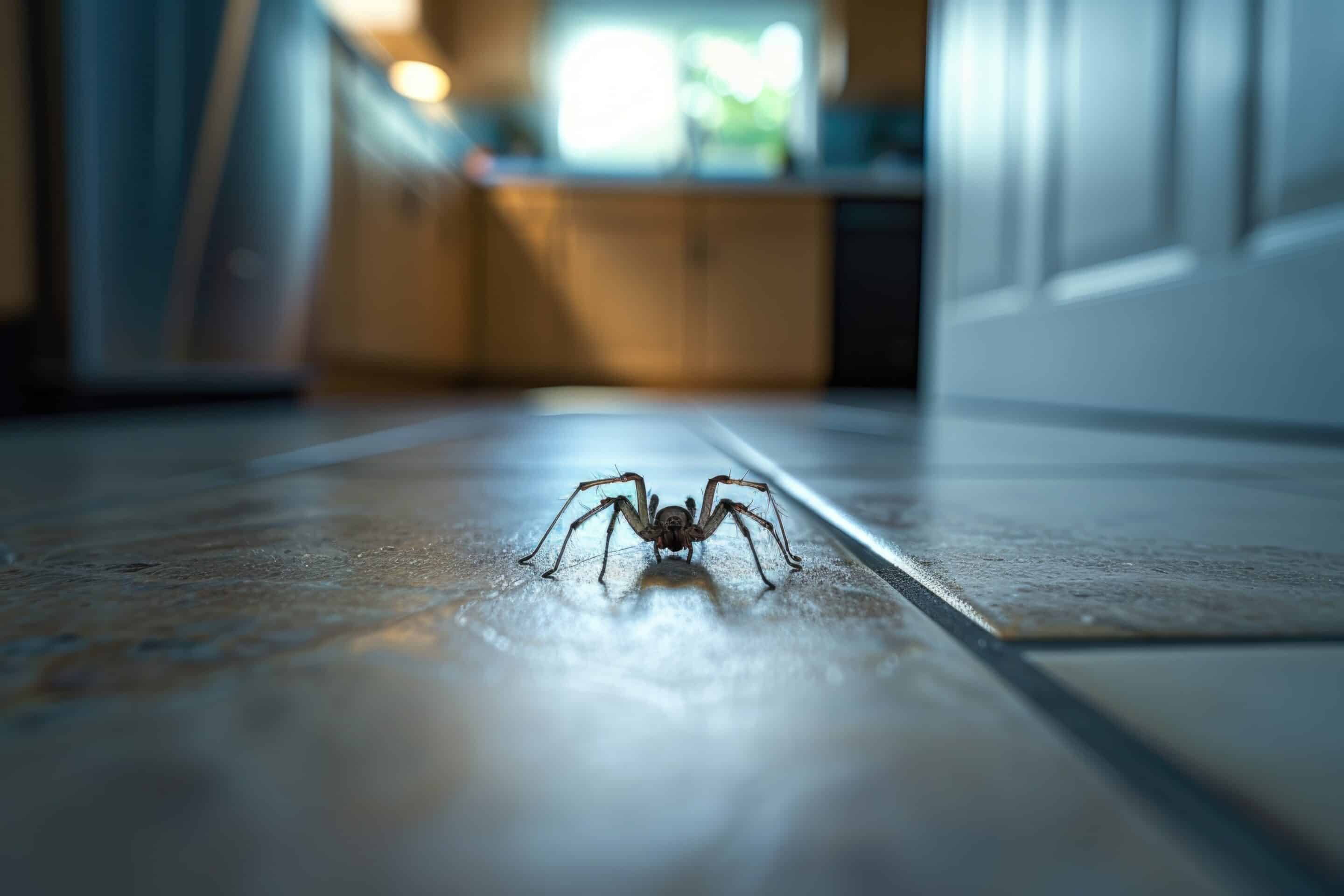
What AttractsSpiders
Pinpointing what attracts spiders begins with learning which species are present and the conditions they prefer. A trained technician will:
- Inspect interior and exterior areas for prey-heavy zones near lights, soffits, and window frames, plus webs and egg sacs that signal favorable conditions.
- Check basements, garages, attics, and storage spaces for clutter, humidity, and low‑traffic corners that serve as harborage.
- Look for structural issues—like gaps around windows, missing door sweeps, and unsealed utility lines—that give spiders (and their insect prey) easy access.
Based on these findings, your technician explains the environmental and structural drivers that are drawing spiders and outlines steps to remove those lures. Recommendations often address lighting that concentrates insects, moisture management, vegetation touching the structure, and sealing conducive gaps around the building envelope.
Why You May HaveSpiders Indoors
Most spiders show up where conditions stack in their favor: a steady insect buffet and places to hide. Indoors, bathrooms, basements, and utility rooms offer higher humidity and quiet nooks behind boxes or shelving, while kitchens, entryways, and exterior walls near porch lights attract flying insects that spiders hunt. Unsealed cracks around windows, doors, vents, and utility lines let both prey and predators slip inside.
Some species, including medically important ones like black widows and brown recluses, thrive in dark, undisturbed clutter such as woodpiles, crawl spaces, and seldom‑accessed storage corners. Outdoor lighting that draws swarms of moths and midges around porches and doorways increases prey pressure, encouraging spiders to anchor webs nearby and eventually move indoors.


Why Choose Global Pest Management ForYour Spider Control?
Global Pest Management understands the environmental cues that attract spiders in North Georgia—seasonal humidity, overgrown landscaping that touches siding, and construction details that create gaps and sheltered voids. We look beyond the web to identify the food, moisture, and harborage factors that are pulling spiders toward your structure.
Our guidance pairs practical, science‑based steps with professional service: seal utility penetrations and weatherstripping, fine‑tune outdoor lighting that concentrates insects, trim vegetation off the home, and correct moisture that boosts humidity in basements and crawl spaces. With thorough inspections, clear communication, and dependable follow‑up, Global Pest Management helps you reduce the conditions that attract spiders so your property stays more comfortable year‑round. Learn more about our spider exterminator services.
Our Spider ControlServices

What draws spiders to homes and yards
Residential properties often provide everything spiders need. Common draws include:
- Porch lights and window lighting that concentrate flying insects along ceilings, corners, soffits, and exterior overhangs.
- Conducive routes and microclimates around foundations, entryways, and gaps around windows and doors where insects travel and humidity stays higher.
- Housekeeping and maintenance opportunities like door sweeps, better sealing around frames, trimming vegetation off siding, and adjusting outdoor lighting to reduce prey pressure.
Homeowners can limit these lures by decluttering storage areas, using sealed containers, managing moisture in basements and bathrooms, and reducing insect activity around the exterior. Addressing these factors makes the home less appealing to spiders overall.

Why commercial properties attract spider activity
Offices, warehouses, restaurants, and other commercial spaces in North Georgia often develop spider hot spots where environmental conditions converge. Typical attractants include:
- Regular prey buildup on signage, façades, and canopies near bright exterior lighting that runs through the night.
- Conducive zones around doors, loading docks, and building perimeters where insects gather, humidity is higher, and undisturbed ledges allow web anchoring.
- Maintenance opportunities for sealing entry points, installing effective door sweeps, optimizing lighting spectra and placement, and trimming landscaping away from the structure.
Reducing these attractants helps maintain a clean, professional appearance for customers and a more comfortable environment for employees by limiting where spiders settle in the first place.
Preventingfuture spider problems
Understanding what attracts spiders starts with the same practical habits that limit the things they’re seeking—food, shelter, and the right conditions. To make your home less appealing to spiders between Global Pest visits:
- Seal entry points by caulking cracks and gaps around windows, doors, and utility lines and installing tight‑fitting door sweeps.
- Adjust outdoor lighting or switch to bulbs that attract fewer insects, reducing the food sources that draw spiders to your home or business.
- Keep shrubs, bushes, and woodpiles away from exterior walls and foundations.
- Reduce clutter in basements, garages, and storage areas so spiders have fewer hiding spots.
- Regularly remove spiders webs and egg sacs indoors and out.
When you cut down on insect prey, minimize moisture and clutter, and pair those steps with a professional service from Global Pest, you disrupt the very factors that invite spiders—helping keep activity low and comfort high all year.
Frequently AskedQuestions
Do indoor spiders indicate higher insect pressure?
Often, yes. A surge in spiders typically indicates strong prey pressure—mosquitoes, flies, gnats, and other insects drawn by lights, humidity, or gaps around the structure. Spiders follow their food. Managing the insect activity and the conditions that support it is the most reliable way to reduce spider attraction over the long term.
Safety considerations for spider management methods
Global Pest targets the exact places spiders use and the conditions that attract them while minimizing exposure in living areas. Applications focus on cracks, soffits, corners, exterior foundations, and utility penetrations, and technicians outline simple precautions—like avoiding treated surfaces until dry—so families and pets remain safe.
Timeline for reducing spider activity
You’ll usually notice fewer webs and wandering spiders within a few days, particularly around porch lights, eaves, and entry points. Where conducive conditions exist—such as high humidity, cluttered storage, or dense vegetation touching the home—follow‑up visits and seasonal maintenance keep the attractants in check and spider pressure low.
Areas we service
Global Pest Management helps homeowners understand and reduce the conditions that attract spiders in Buford, Dahlonega, Dawsonville, Suwanee, and surrounding communities. From lighting that draws insect prey to humidity and clutter that provide harborage, our team identifies local risk factors and offers targeted solutions to make your property less inviting to spiders year‑round.
