
What Attracts Termites inSuwanee, GA?
Suwanee homeowners often ask what attracts termites, especially in neighborhoods with mature landscaping, crawl spaces, retaining walls, and busy family living near parks, greenways, and established subdivisions. In Suwanee, a termite infestation usually starts with the same core conditions found across North Georgia: moisture, wood, and hidden, easy access to the home’s foundation and framing.
Homes with mulch‑heavy landscaping, irrigation near the foundation, wood fencing, and poor drainage around exterior walls can create ideal conditions for subterranean termites. Even well‑kept homes are vulnerable if termites enter through concealed routes from the soil into structural wood, finding both shelter and a reliable food source that lets them feed on cellulose over time.
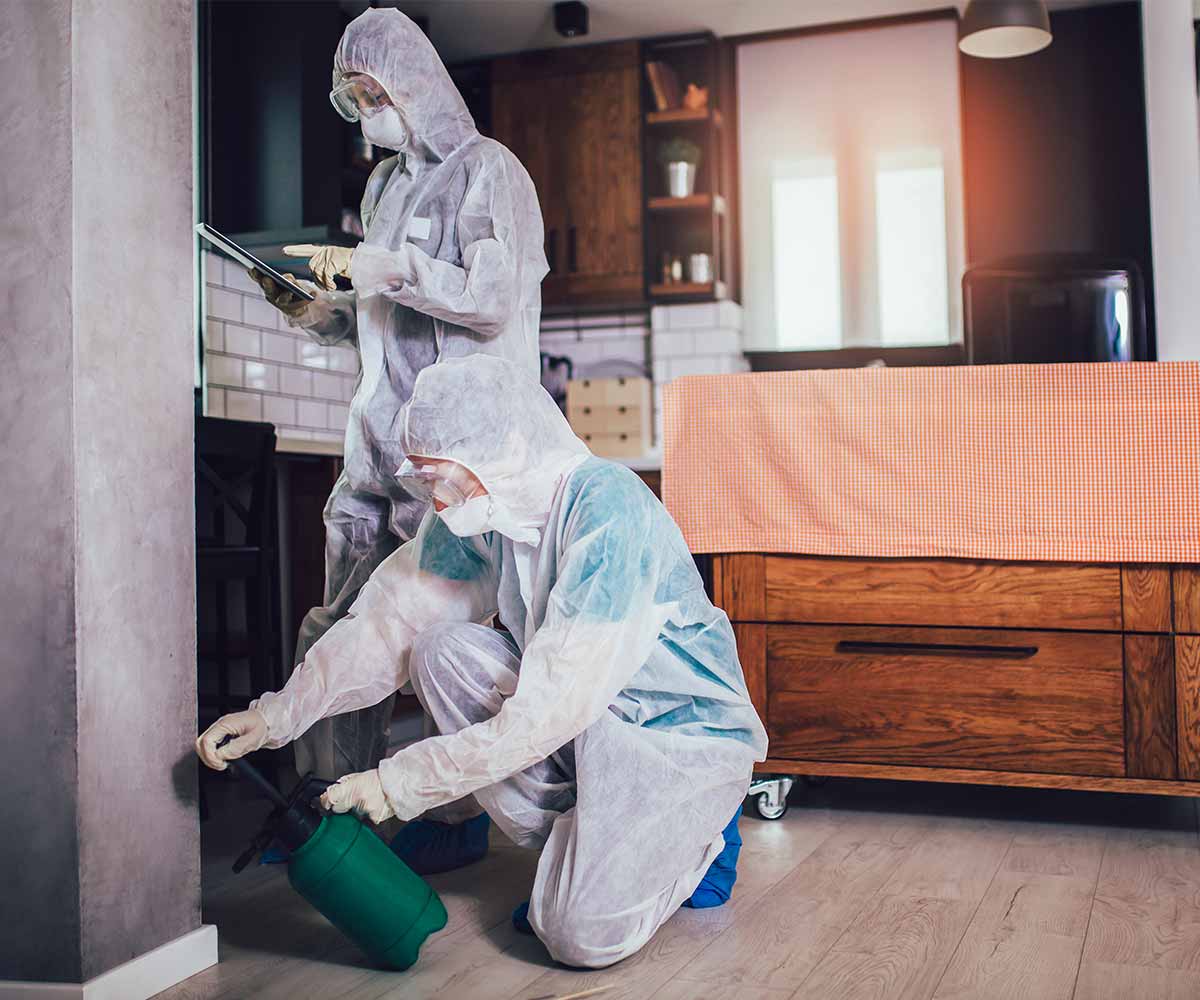
Common Conditions That Attract Termites in Suwanee
Several everyday features around Suwanee homes can contribute to attracting termites and increasing termite activity:
- Mulch and pine straw piled too high along the foundation, which retain moisture and keep soil damp right where wood destroying pests want to be.
- Irrigation or gutter runoff that keeps soil wet, especially along exterior walls and low spots that never fully dry out.
- Wood fencing or deck structures touching soil, creating direct wood‑to‑soil contact and easy access to framing components.
- Crawl spaces with moisture and ventilation issues, where humidity and limited air flow provide protected environments beneath the home’s foundation.
- Tree stumps, scrap wood, stored lumber, or dead trees near the house, all of which provide early food sources and shelter before termites move into the structure itself.
These conditions are common in suburban neighborhoods where mature trees, landscaping, and exterior wood features are popular. Even when the home appears to be in excellent shape, routine termite inspections are important because signs of termites can be subtle and easy to miss.
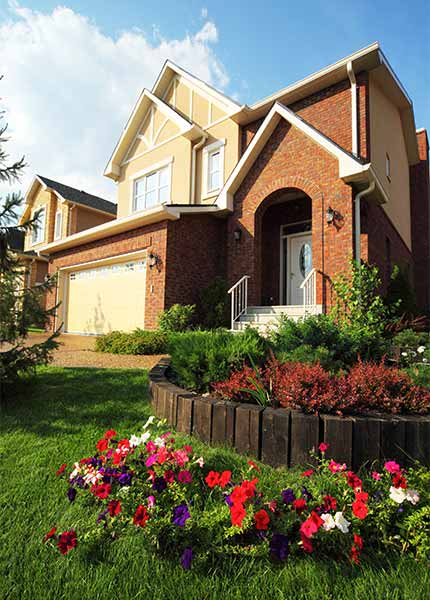
Subterranean, Drywood, and Formosan Termites
Three main termite species are relevant to Suwanee homeowners, and understanding the differences helps guide termite control decisions:
- Subterranean termites are the main termite threat. They live in the ground, rely on constant soil contact, and build mud tubes to travel from the soil into homes while staying protected from light and air. These destructive pests often attack structural wood near the foundation first.
- Drywood termites live directly inside dry wood above ground and do not need soil contact. A drywood termite infestation can occur in trim, framing, or furniture and may be harder to detect until damaged wood or frass (pellets) appear.
- Formosan termites are a highly destructive type of subterranean termites with larger colonies and faster feeding behavior. Formosan termites can cause extensive termite damage when present, attacking multiple parts of a structure at once.
Because subterranean termites depend so heavily on moisture and soil‑to‑wood interfaces, Suwanee’s mulch beds, irrigation, and crawl spaces can become key points where termites enter and begin feeding.
Signs of Termites and Termite Infestation
Recognizing early signs of termite activity is critical for limiting termite damage and getting timely pest control:
- Mud tubes on foundation walls, piers, or inside crawl spaces, often pencil‑thin and running from soil up into wooden elements.
- Discarded wings near windows, doors, or light sources after a swarm, indicating reproductive termites have left or started a colony.
- Hollow or soft wood when tapping trim, steps, or floor transitions, which suggests termites have eaten from the inside out.
- Bubbling or blistered paint and hidden damaged wood around baseboards, trim, and lower structural areas.
In Suwanee homes with decks, crawl spaces, and landscaped foundations, these signs of termites can be easy to overlook without a professional termite inspection, especially when most activity occurs out of sight.
How Termite Inspections Work
A thorough termite inspection in Suwanee includes both exterior and interior areas where termites are likely to travel and feed:
- Outside, the inspector checks the home’s foundation, exterior walls, crawl space, garage, and other visible risk zones for mud tubes, damaged wood, and moisture conditions that retain moisture.
- Inside, they inspect trim, flooring transitions, door frames, window frames, and accessible wood for signs of termite activity and termite damage, including soft spots and subtle staining.
This process helps determine whether subterranean termites, drywood termites, or formosan termites are present and how far any infestation may have progressed, guiding appropriate termite control and pest control strategies.

Average Repair Costs for Termite Damage
Repair costs depend on how long the termites have been active and which parts of the structure were affected:
- Minor repairs for localized damage in trim or small framing areas may cost hundreds or a few thousand dollars.
- Advanced damage affecting joists, beams, or major sections of the home’s foundation support can climb much higher, requiring significant reconstruction and higher costs.
Early identification of signs of termite activity almost always reduces both the complexity and the cost of repairs.
Treatment Options
Homeowners in Suwanee typically choose from several treatment options, often combining methods for stronger long‑term protection:

A well‑planned termite control program often combines treatment with moisture corrections and structural adjustments to reduce future risk.
Georgia Regulations, Insurance, and Timeline
Termite work in Georgia should be completed by licensed providers, which becomes especially important when buying or selling a home in Suwanee. Most homeowners insurance policies do not cover termite damage, so preventive termite inspections and ongoing pest control are often recommended for protection and peace of mind.
The typical timeline:
- Inspection to identify any termite infestation, termite species, and risk conditions.
- Treatment selection and application, chosen based on the severity of the problem and the home’s construction.
- Service and monitoring, including follow‑up visits and, if used, ongoing bait management to control colonies.
Depending on the treatment type, the timeline for full colony control can range from immediate barrier protection with liquid treatments to longer‑term reduction with baiting systems.
Frequently Asked Questions
What attracts termites around Suwanee homes most often?
Persistent soil moisture, mulch against the home’s foundation, crawl space humidity, wood‑to‑soil contact, and nearby wood debris or dead trees are common causes of attracting termites.
Can termites affect newer suburban homes?
Yes. Termites do not care how new a home is; if they find moisture, a food source that lets them feed on cellulose, and easy access to wood, they can infest any structure.
Should I get annual termite inspections in Suwanee?
Yes. Annual termite inspections are a good preventive standard in Georgia and help catch signs of termites early before they develop into more serious, destructive pests.
