What AttractsWildlife
Seeing paw prints by the trash, noticing rummaged birdseed, or spotting gnaw marks on trim? Understand what attracts wildlife to your property and schedule a free inspection with Global Pest Management.
What AttractsWildlife on Your Property
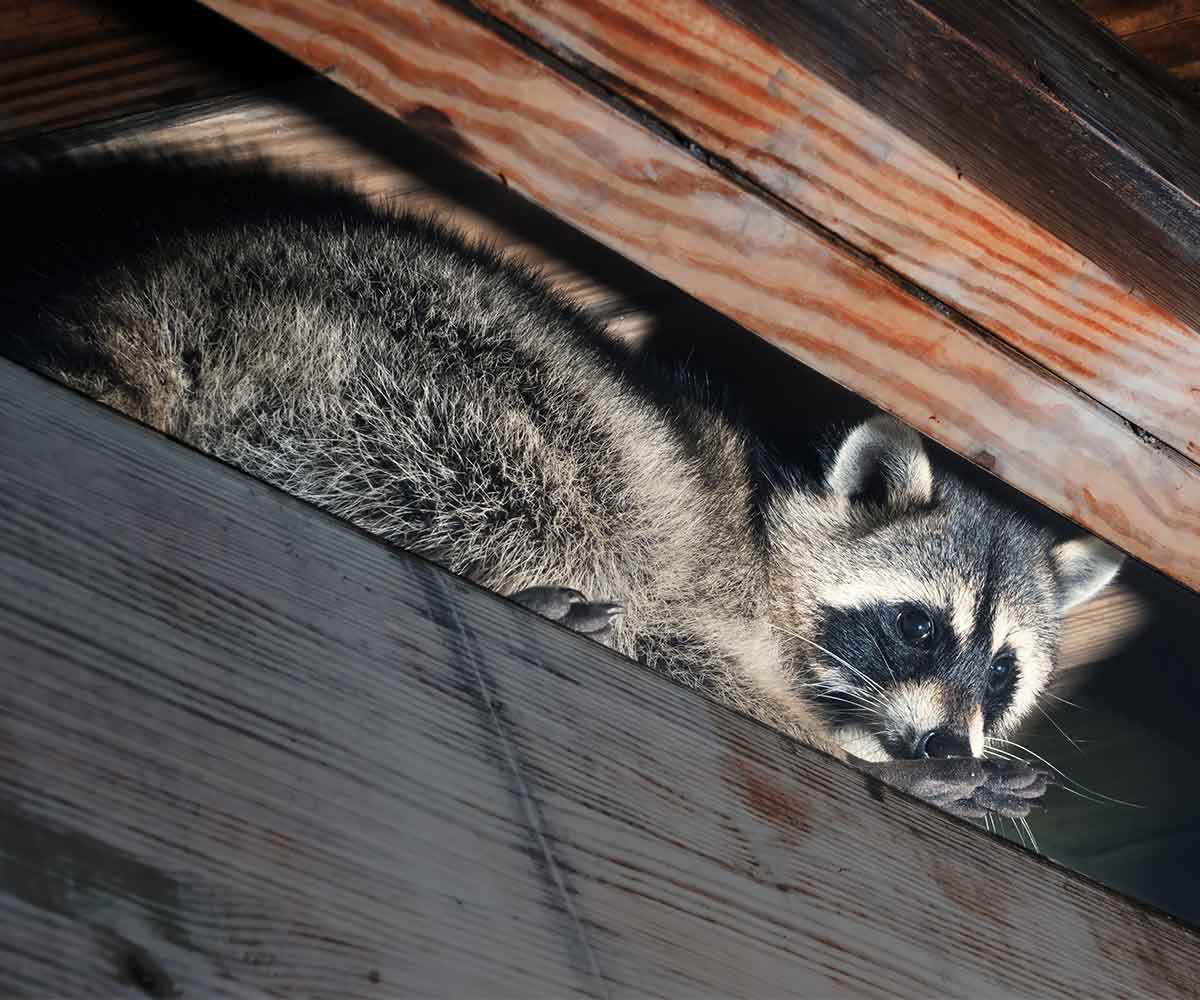
Wildlife is drawn to homes when basic needs—food, water, and shelter—are easy to find. Unsecured garbage, pet food left outside, standing water, cluttered sheds, and gaps into attics or crawl spaces create a powerful pull for raccoons, squirrels, opossums, bats, and other animals. Many property owners don’t notice the attractants at first; instead they see scattered trash, raided bird feeders, dug-up lawns, or rub marks where animals travel along repeat routes.
At Global Pest Management, we help homeowners and businesses throughout North Georgia pinpoint and reduce the conditions that lure wildlife. Our process starts with a detailed inspection to identify food sources, water availability, harborage areas, and construction vulnerabilities. We evaluate issues like unsecured bins, compost handling, pet-feeding habits, drainage problems, overgrown vegetation, attic or crawlspace access points, and odor trails that keep animals returning.
If you suspect your property is inviting wildlife, act quickly. Early inspection limits repeat visits, interrupts scent trails, and helps prevent animals from establishing nesting sites or seasonal patterns around your home.
Common Signs ofWildlife Activity
Understanding what attracts wildlife varies by species, season, and property layout. Raccoons, squirrels, bats, opossums, birds, and snakes respond to different cues, but most follow reliable resources such as food concentration, water access, and safe cover along edges where yards meet woods or structures.
Food Sources Around Homes (pet bowls, bird feeders, garbage, compost)
Reliable calories are the strongest magnet. Common household attractants include:
- Pet food left on porches, decks, or in garages
- Overflowing or unsecured garbage and recycling
- Bird feeders that spill seed or lack baffles
- Open compost piles with food scraps
- Fallen fruit, unsecured chicken feed, or grill grease
Timing matters. Nocturnal visitors like raccoons and opossums often key in on trash set out the evening before pickup, while diurnal species such as squirrels focus on daytime food like birdseed. Once a dependable source is found, animals create habitual routes and return repeatedly.
Removing or securing food does more than reduce mess—it breaks the reinforcement cycle that keeps wildlife revisiting your property.
Water and Drainage Issues (standing water, leaky spigots, clogged gutters)
Animals follow moisture and scent. Standing water in planters, clogged gutters, leaky spigots, pet bowls, and low spots in the yard can sustain wildlife through dry periods. Odor cues—like fishy trash bags, spilled feed, or pheromone-marked runways—guide animals back to the exact spot.
Look for:
- Puddling near downspouts or poor-draining soil
- Water bowls left out overnight for pets
- Musty smells near sheltered areas where animals rest
- Grease or food odors around grills and outdoor kitchens
- Repeated travel lines along fences, foundations, or hedges
Controlling water and managing odors reduces both the initial draw and the chemical signals that tell wildlife your property is a safe resource.
Shelter and Entry Points (attics, crawlspaces, sheds, construction gaps)
Wildlife seeks cover that offers protection from weather and predators. Attics, crawl spaces, sheds, and voids beneath decks become attractive when gaps, torn screens, or loose soffits provide simple entry. Overhanging limbs and stacked materials create concealed approach paths that lower risk for animals.
Assess the exterior for:
- Loose or missing vent covers that allow entry
- Gaps at soffits, fascia, siding junctions, or roof edges
- Open chimney flues or damaged caps
- Tree branches touching roofs, enabling roofline access
- Cluttered sheds, woodpiles, or debris that function as dens
- Openings around utility lines and HVAC penetrations
- Rub marks or fur at squeeze points along common routes
Before sealing any gap, confirm no animals are inside. Closing an active entry can trap wildlife and reinforce nesting pressure elsewhere. Global Pest Management can inspect, advise on timing, and recommend prevention-first strategies.
Signsby Location
The location of attractants helps predict which animals are likely to visit and why they’re choosing your property. Global Pest Management’s inspection focuses on food, water, shelter, and access patterns to reduce what’s drawing wildlife in the first place.
Landscape Features and Habitat Edges Near Structures |
Attractant Checklist: Human Habits That Increase Risk |
Seasonal Pressure and Breeding Cycles That Drive Activity |
|
Attic |
Unscreened vents, insulation for nesting, overhanging limbs, warm, quiet space |
Squirrels, bats, birds, raccoons |
|
Crawl space |
Loose lattice, torn screens, pooled moisture, ground-level gaps |
Opossums, raccoons, skunks, rodents |
|
Chimney |
Missing or damaged cap, warmth, vertical shelter, nearby roof access |
Birds, squirrels, raccoons, bats |
|
Garage or shed |
Pet food storage, spilled seed, clutter for cover, gaps under doors |
Rodents, squirrels, raccoons, opossums |
|
Roofline or vents |
Chewable trim, loose screens, utility penetrations, nearby tree limbs |
Squirrels, bats, birds, raccoons |
|
Under a deck or porch |
Open crawl space, undisturbed cover, food odors drifting from grills |
Opossums, skunks, raccoons |
|
Yard or garden |
Fallen fruit, birdseed on ground, unsecured trash, compost, standing water |
Raccoons, opossums, skunks, squirrels, birds |
An expert inspection is crucial when attractants are hidden—such as drainage issues, subtle roof gaps, or scent-marked travel routes. Proper identification of these draws allows Global Pest Management to recommend targeted prevention and exclusion steps tailored to your property. For comprehensive guidance, ask us about related services such as wildlife inspection, prevention, and exclusion.
Animal-SpecificClues
Wild animals don’t show up by accident—specific conditions around your home invite them in. Understanding the attractants below helps explain why wildlife chooses certain properties and where to focus prevention efforts.
Scent Trails and Odor Cues (pheromones, grease marks, urine)
Overflowing or unsecured garbage, outdoor pet bowls, and easy access to compost are prime draws for raccoons. They also gravitate to structures that offer dark, dry shelter such as attics, chimneys, and the voids beneath decks. Nighttime food rewards paired with weak lids, loose soffits, or torn vents create a reliable routine that keeps raccoons returning.
Raccoons are guided by scent and memory. Once they discover a consistent food source, they’ll test roofline components and loose screening to seek harborage, especially during breeding season when sheltered den sites are in high demand.
Garbage Containment and Storage Practices
Readily available calories—bird feeders, fallen acorns, and open pet food—attract squirrels to yards. Overhanging limbs that touch the roof act as highways to gutters, fascia, and attic gaps. Daytime activity ramps up when insulation offers warm nesting sites and when small openings at the roof edge allow quick in-and-out access.
Cluttered sheds, stacked firewood near the structure, and trim gaps create dependable harborage. If food and shelter remain constant, squirrels will repeat the same entry routes and even stash food indoors for later use.
Bird Feeders and Seed Spillage Management
Bats target tiny, stable gaps as dependable roosts, especially in warm, undisturbed spaces along rooflines, vents, and chimneys. Insect-rich yards—attracted by landscape lighting and standing water—also encourage bat activity nearby. Subtle warmth escaping from buildings and narrow crevices that mimic natural rock fissures make a structure more appealing.
Seasonality matters: maternity colonies seek safe roosts for pups, increasing pressure on small openings. Exterior odors and air currents escaping from gaps can help bats locate ideal roost microclimates.
Pet Food, Livestock Feed, and Chicken Coops
Opossums are opportunistic scavengers drawn to unsecured trash, fallen fruit, and outdoor feeding areas. Low, sheltered spaces such as crawl spaces, sheds, and the underside of porches or decks provide easy cover with minimal disturbance. Brush piles and stored materials create edges where food and hiding spots overlap.
Woodpiles, Debris, and Nesting Material Sources
Consistent seed supply from feeders and accessible nesting cavities—dryer vents, soffits, eaves, and signage—are major attractants for birds. Warm airflow through vents, structural ledges that shield nests from wind, and dense shrubs near buildings make sites particularly appealing during breeding season.
Overhanging Limbs and Roof Access Routes
Snakes follow prey. Properties with active rodent populations, cluttered woodpiles, dense groundcover, and unkempt vegetation provide both food and cool refuge. Moist, shaded zones near foundations or crawl spaces, along with water features and poor drainage, create the temperature and humidity snakes prefer.
When Wildlife Pressures Peak and Inspections Make Sense
Book a wildlife attractant inspection when you notice conditions that could draw animals—such as unsecured food sources, standing water, thick vegetation against the structure, or new gaps along the roofline and foundation.
Contact Global Pest Management if you notice:
- Open trash, compost, or pet food left outside and repeat nighttime activity around bins
- Persistent water issues: clogged gutters, pooling near the foundation, or dripping spigots
- Overhanging limbs, vine growth on siding, or dense shrubs creating cover next to the home
- New gaps at vents, soffits, siding, crawl space doors, or along utility penetrations
- Heavy traffic to bird feeders or spilled seed accumulating beneath them
- Trails, rub marks, or odor cues indicating regular wildlife travel routes
- Seasonal surges in activity during breeding or cold snaps when shelter pressure increases
- Habits that may heighten risk near children, pets, food-storage areas, or commercial operations
Global Pest Management provides free inspections to pinpoint what is attracting wildlife, where vulnerabilities exist, and which prevention steps will reduce pressure on your property.
Pre-Visit Steps to Reduce Attractants Safely
Focus on reducing attractants safely. Avoid handling wildlife or disturbing potential harborage sites. Small changes now can break the reward cycle without pushing animals deeper into the structure.
Until a professional arrives:
- Keep children and pets away from areas with food waste, standing water, or suspected den sites.
- Do not attempt DIY trapping or poisons, which can worsen odor issues and secondary risks.
- Avoid sealing gaps until a technician confirms active animals are no longer inside.
- Do not sweep or vacuum droppings without appropriate protective measures.
- Secure garbage with tight lids, bring pet bowls indoors, and store birdseed and compost properly.
- Document conditions: pooled water, gutter overflow, vegetation touching the structure, or spilled seed.
- Track timing of activity to identify patterns tied to feeding or shelter-seeking behavior.
- If wiring or utility penetrations appear compromised, contact a licensed electrician for an evaluation.
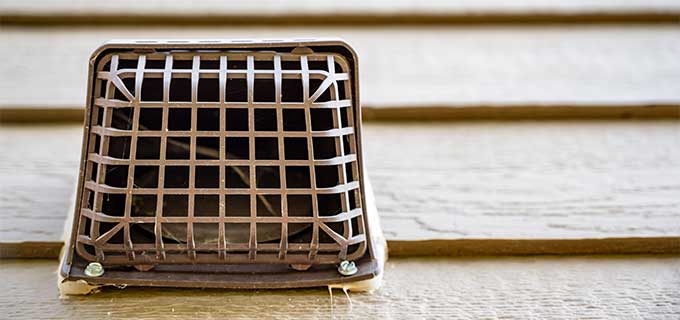
Georgia property owners should also be mindful that nuisance-wildlife removal may be regulated. Local government guidance advises using a licensed trapper or contacting the Georgia Department of Natural Resources for nuisance wildlife concerns, while screening chimneys and attic vents can reduce the chance of wildlife entering the home.
Why Choose Global Pest Management for Wildlife Control
Global Pest Management specializes in identifying what attracts wildlife to North Georgia homes and businesses. Our inspection targets food, water, shelter, and structural conditions, then we provide a prioritized plan for prevention and exclusion to reduce wildlife pressure long term.
If your property offers easy meals, moisture, or hidden harborage, animals will keep returning. Contact Global Pest Management today to schedule a free inspection and get a clear, science-based plan to eliminate attractants and fortify your property.