
When Do Termites Swarm in North Georgia?
Learn when termites swarm in North Georgia, how to identify flying termites, and what to do next. Call Global Pest Management for a free termite inspection today.
When Do Termites Swarmin North Georgia?
Termites in North Georgia typically swarm during spring, with the main Georgia swarming period peaking from March through May. Swarms can begin in February during favorable weather, and termite swarming can occur outside the usual spring window. University of Georgia guidance identifies several successive warm days, with temperatures around 60–70°F and rainfall, as conditions that can trigger swarming.
For homeowners, a swarm is more than a seasonal curiosity. Winged termites emerging inside a building can signal a nearby infestation that needs professional evaluation. Outdoor swarms also deserve attention, although they do not automatically mean termites have entered your home.
Global Pest Management provides termite inspections, treatment, and prevention services for North Georgia properties. If you find flying termites or piles of discarded wings, schedule an inspection to identify the insects and determine the appropriate next steps.
North Georgia Termite Swarm Season
Spring is the primary time to watch for subterranean termite swarmers. However, there is no single date when termite season begins across every North Georgia community. Temperature, rainfall, site conditions, and the termite species influence when colonies release winged reproductive termites.
The following timeline summarizes Georgia’s general swarming pattern rather than predicting an exact date for an individual property.
Time of year |
What property owners should know |
| February | Swarming may begin when warm, rainy conditions develop. |
| March through May | Georgia’s primary peak swarming period; inspect suspicious flying insects and discarded wings promptly. |
| Other months | Swarming remains possible, so sightings outside spring should not be dismissed. |
A cool spring can change when homeowners notice activity, while an early warm spell may bring swarms sooner. Weather patterns are more useful than a fixed calendar date when deciding when to watch closely.
Why Do Termites Swarm?
A termite swarm is a reproductive event. Mature colonies release winged males and females, called alates, that leave to mate and attempt to establish new colonies. After flying, these reproductive termites shed their wings.
Swarmers are different from the worker termites responsible for feeding on wood. Their appearance is a visible clue to colony activity, not a complete picture of what is happening inside the structure.
This distinction matters: eliminating the flying termites you see does not establish that the source colony has been controlled. Professional inspection and identification remain important before selecting a treatment. University of Georgia’s termite-control guidance explains swarming as part of colony reproduction and emphasizes evaluating termite problems through an appropriate control service.
What Weather Triggers a Termite Swarm?
Warm weather and moisture help create favorable swarming conditions. University of Georgia describes the trigger as successive days of approximately 60–70°F weather punctuated by rain. Subterranean termite swarms often occur during daytime in spring.
Around your property, watch for suspicious flying insects after:
- Several mild or warm days.
- Spring rainfall followed by favorable temperatures.
- A noticeable shift from colder weather to sustained warmth.
These conditions do not guarantee a swarm. They indicate when homeowners should be more alert, especially around windows, doors, foundations, and areas with previous termite concerns.
Flying Termites vs. Flying Ants
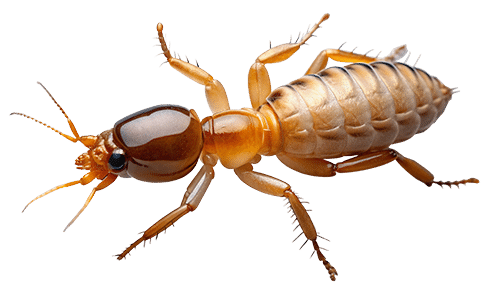
Flying ants and termite swarmers are commonly confused. Both may appear in groups, and identifying them correctly helps avoid treating the wrong pest.
University of Georgia’s termite guidance distinguishes the insects by their antennae, waist, and wings.
Feature |
Termite swarmer |
Flying ant |
|
Antennae |
Relatively straight |
Elbowed or bent |
|
Waist |
Broad, without a pronounced pinch |
Narrow, distinctly pinched |
|
Wings |
Four wings of approximately equal length |
Front wings longer than rear wings |
Small insects can be difficult to identify without magnification. Take a clear photograph or save a specimen in a sealed container for your technician rather than relying on color alone.
Correct identification is especially important when winged insects appear indoors or repeatedly emerge from the same location.
What Does an Indoor Termite Swarm Mean?
An indoor swarm is a significant warning sign and warrants a prompt inspection. University of Georgia explains that swarmers inside a building may indicate an infestation associated with the structure.
Homeowners may discover the insects themselves or the wings left behind. Global Pest Management lists swarming termites and shed wings near windowsills among the signs its technicians investigate, alongside mud tubes and compromised wood.
The location of the swarm does not necessarily reveal the full extent of activity. Termites may travel through concealed routes, and an inspection is needed to evaluate accessible areas, entry conditions, and evidence of damage.
Do Outdoor Swarms Mean Your House Is Infested?
Not necessarily. An outdoor swarm can come from a colony in a tree stump, landscape wood, or another nearby food source. It does not, by itself, prove that termites are feeding on your house. Nevertheless, nearby termite activity makes checking the structure worthwhile.
Concern increases when a swarm occurs alongside:
- Mud tubes on foundations or crawl space components.
- Discarded wings inside the home.
- Hollow-sounding or visibly damaged wood.
- Moisture problems or wood touching soil.
Global Pest Management’s inspections look for termite evidence and conditions such as soil contacting wood components that can increase vulnerability.
What to Do When You Find Swarming Termites
Finding a swarm can be unsettling, but a documented, inspection-first response is more useful than spraying every visible insect.
- Document the Activity: Photograph the insects, discarded wings, and the location where you found them. Note the date, time, recent weather, and whether the swarm occurred indoors or outdoors. Save a specimen if you can do so easily.
- Check for Other Visible Signs: Without opening walls or disturbing structural materials, look for mud tubes, additional wings, and apparent wood damage. Share these observations with your technician. Global Pest Management evaluates these indicators during termite inspections.
- Schedule a Professional Inspection: Do not assume that the problem is resolved when the swarm stops. A termite inspection helps determine whether the insects are termites, whether the structure shows evidence of activity, and what protection or treatment is appropriate.
What Happens During a Termite Inspection?
Global Pest Management examines accessible areas of the property for termite activity and risk factors. Inspection areas can include foundations, crawl spaces, basements, attics, decks, and exterior components. Technicians look for mud tubes, wings, damaged wood, moisture concerns, and wood-to-soil contact.
Recommendations should follow the findings. Depending on the property, termite management may involve liquid treatments, baiting systems, monitoring, or preventive maintenance. Not every swarm calls for the same treatment, and damage repairs are separate from controlling an infestation.
Can You Prevent Termite Swarms?
You cannot prevent every outdoor colony from swarming, but you can reduce conditions that make your property vulnerable.
Practical termite-prevention measures include repairing leaks, improving drainage, reducing wood-to-soil contact, and removing unnecessary cellulose debris near the structure. These maintenance steps support professional protection rather than replacing it.
For ongoing coverage, ask about a termite bond. Global Pest Management describes its termite bonds as service agreements with scheduled inspections and documentation. Review the specific agreement for coverage, renewal requirements, and exclusions before enrolling.
Related Termite Resources
Continue exploring termite identification, protection, and treatment:
Schedule a Termite Inspection Before Damage Spreads
Whether you discover flying termites in spring or discarded wings at another time of year, accurate identification is the next step. Global Pest Management offers termite inspections and customized control options for North Georgia homes and businesses.
Contact Global Pest Management today to schedule a free termite inspection and understand what the activity means for your property.
