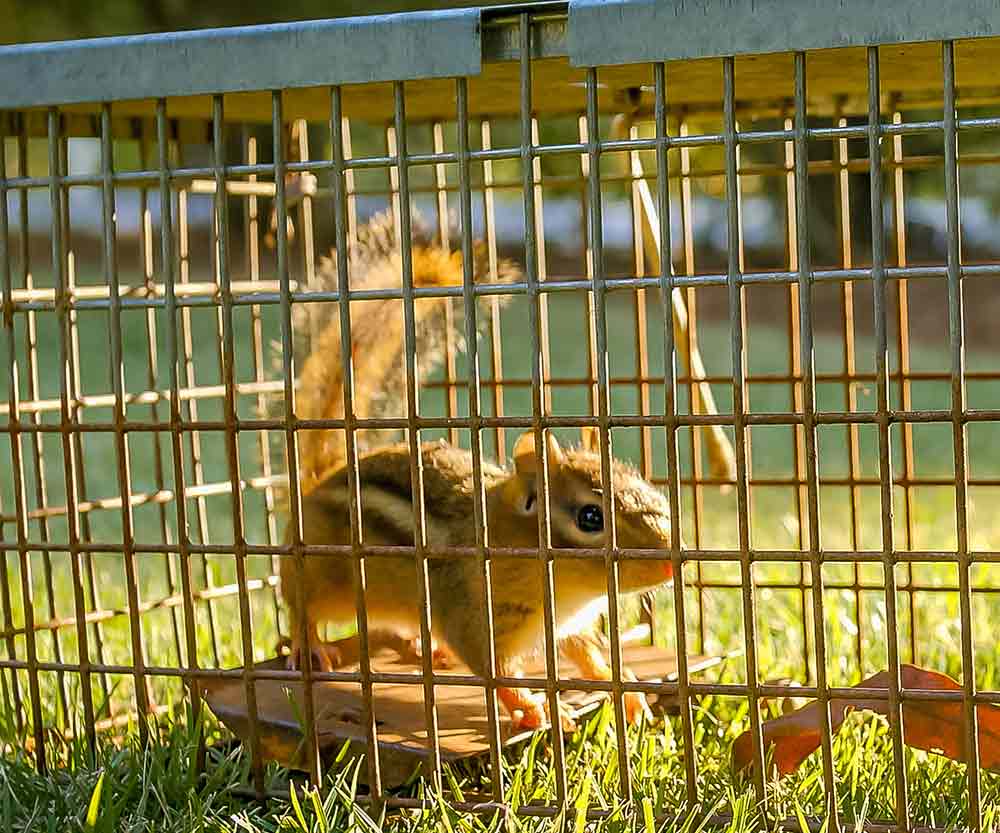
Wildlife Controlby City
Noticing city-specific wildlife issues like attic noises, droppings in the garage, or torn vent screens? Explore how wildlife pressures vary by area and schedule a free city-based inspection with Global Pest Management.
Wildlife Controlby City
Urban and suburban wildlife pressures differ from city to city. In some municipalities, greenbelt corridors push animals toward attics and crawl spaces, while in historic districts, aging chimneys and rooflines offer easy access. Many residents never see the intruder—what they notice are nighttime scratching sounds, scattered insulation, chewed vent covers, and distinct odors that hint at a nest nearby.
Global Pest Management supports homeowners and businesses across North Georgia with city-focused wildlife control. Our approach starts with a thorough, locality-aware inspection that considers neighborhood construction styles, nearby waterways or parks, and known travel routes. We identify the species, locate city-specific entry patterns, evaluate damage, and recommend a plan for removal, exclusion, and prevention suited to your municipality. During inspections, our technicians document evidence such as droppings, nesting materials, access gaps around utilities, damaged insulation or wiring, and any direct sightings—then map those findings to your city’s typical activity patterns.
If you suspect wildlife activity in your area, contact us promptly. Early, city-targeted inspections help limit structural damage, reduce recurring intrusions tied to neighborhood habits, and prevent animals from establishing dens or returning along known routes.
Common Signs ofWildlife Activity
Wildlife patterns shift with city layout, season, and nearby habitat. Neighborhoods bordering creeks may see more raccoon traffic, while tree-lined streets experience frequent squirrel roof crossings. Across North Georgia cities, common culprits include raccoons, squirrels, bats, opossums, birds, and snakes—each leaving distinct signs that can point to where they’re living and how they’re entering.
City Noise Complaints Tied to Wildlife Activity
Changes in sound can be an early clue, and timing often aligns with city-specific activity. You may hear:
- Scratching or scurrying in walls, ceilings, or attic spaces
- Thumping, bumping, or heavy movement above the ceiling
- Rustling in insulation, crawl spaces, or behind stored items
- Chirping, squeaking, fluttering, or tapping near vents and rooflines
- Repeated noises coming from a chimney, garage, shed, or under a deck
Daytime attic noise in mature, tree-dense neighborhoods may indicate squirrels, while nighttime sounds near greenways can point to bats or raccoons. Chimney noises are frequently reported in historic city centers where older flues remain uncapped. Because sound alone can mislead, a professional inspection tailored to your city prevents guesswork and unnecessary repairs.
However, sound alone is not enough to identify an animal. A professional inspection can help determine what is active and avoid unnecessary repairs or removal attempts.
Waste Trails and Odor Issues by Neighborhood
Evidence often concentrates in places where city homes intersect with wildlife corridors—attics near canopy cover, crawl spaces beside storm drains, and garages bordering alleys. Persistent odors and stained insulation suggest long-term use of the space.
Look for:
- Droppings along walls, rafters, insulation, or stored belongings
- Dark or damp-looking stains on ceilings, insulation, or wood
- A musky, ammonia-like, or sour odor
- Piles of droppings beneath an attic opening, roofline gap, or vent
- A worsening odor that may suggest a dead animal in a wall, attic, crawl space, or other hidden area
Fresh droppings are typically darker and moist; older droppings appear drier and gray-brown. Because species can vary by neighborhood, allow a professional to confirm identification before any cleanup.
Avoid sweeping, vacuuming, or handling unknown droppings without proper safety precautions. Disturbing contaminated materials can create sanitation concerns. Contact Global Pest Management for an inspection and guidance on removal, cleanup, and prevention.
Roof and Vent Damage Reports by City Area
Entry points often mirror the housing stock of each city. In newer subdivisions, plastic vent covers can be pried or chewed; in older districts, gaps at rooflines and chimneys are common. Raccoons exploit weak soffits, squirrels enlarge small openings, and bats slip through narrow gaps near eaves and utility penetrations.
Inspect the exterior of your property for:
- Bent, torn, missing, or loose vent covers
- Holes in soffits, fascia, siding, or roof edges
- Damaged chimney caps or open chimney flues
- Loose shingles, trim, flashing, or flashing gaps
- Chewed wood around eaves, attic vents, or rooflines
- Torn screens over crawl space or attic vents
- Openings around pipes, cable lines, electrical lines, and HVAC components
- Rub marks, claw marks, fur, feathers, or nesting debris near an opening
If you suspect an animal is inside, do not seal the opening immediately. In many cities, trapping wildlife indoors can create additional damage and may conflict with local regulations or best practices for humane control.
Signsby Location
Location details and neighborhood context help narrow the issue quickly. During Global Pest Management’s city-based inspections, we document access points typical to each municipality, then identify likely nesting and travel areas for accurate next steps.
Service Area and Coverage Radius Map |
Local Indicators of Wildlife Presence |
City-by-City Wildlife Issue Guide |
|
Attic |
Scratching, thumping, torn insulation, droppings, nests, chewed wires, odors |
Raccoons, squirrels, bats, birds, rodents |
|
Crawl space |
Droppings, insulation damage, odor, disturbed vapor barrier, animal pathways |
Opossums, raccoons, skunks, rodents, snakes |
|
Chimney |
Chirping, fluttering, scratching, nesting debris, blocked flue |
Birds, squirrels, raccoons, bats |
|
Garage or shed |
Droppings, torn bags, nests, chewed belongings, musky odors |
Rodents, squirrels, raccoons, opossums, snakes |
|
Roofline or vents |
Gaps, chewed trim, loose screens, repeated entry and exit |
Squirrels, bats, birds, raccoons |
|
Under a deck or porch |
Digging, disturbed soil, nocturnal movement, odors, visible den opening |
Opossums, skunks, raccoons, other small wildlife |
|
Yard or garden |
Tracks, overturned trash, damaged plants, mounds, scattered birdseed |
Raccoons, opossums, skunks, squirrels, moles, voles |
In city settings—especially tight rooflines, shared walls, older chimneys, or low clearances—professional identification is essential. Once we confirm the species and city-specific access routes, we recommend targeted solutions such as exclusion, one-way doors, repairs, or coordinated removal within local guidelines.
Animal-SpecificClues
Wildlife pressure varies from city to city, and the same species can behave differently based on neighborhood design, green space, and local food sources. Use the notes below as location-specific guidance, but schedule a professional assessment to confirm species and comply with municipal rules.
Raccoon Hotspots and Seasonal Activity
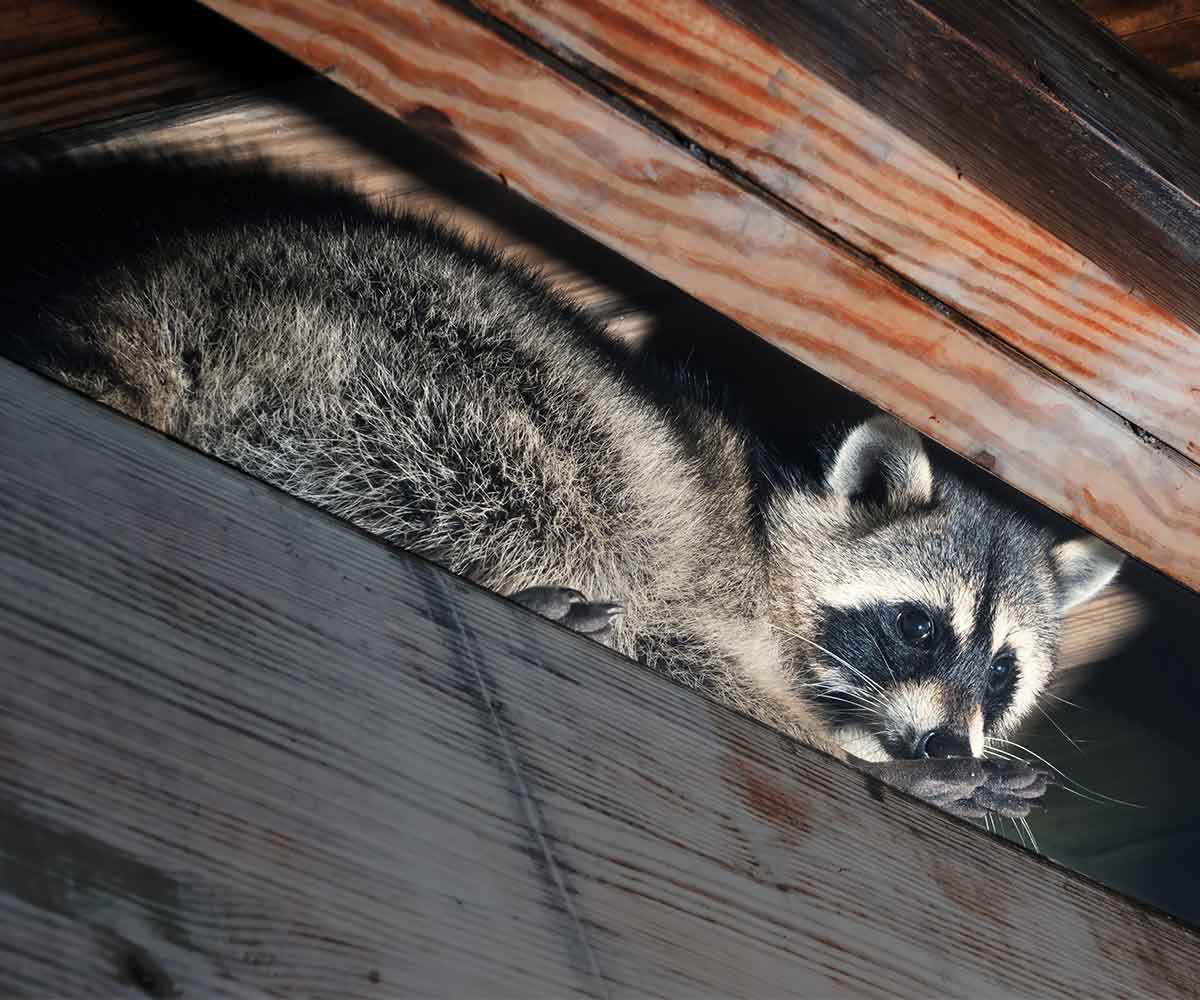
In dense urban cores, raccoons often exploit restaurant districts and alleyways, while in suburban cities they favor attic voids along wooded greenbelts. Common urban indicators include overturned commercial dumpsters, nighttime roof traffic near townhomes, and pried soffits on older buildings. Suburban corridors may see torn attic vents along cul-de-sacs, muddy paw prints on downspouts, and larger droppings near a den site.
City codes may restrict trapping timelines and relocation. Because raccoons frequently den in chimneys and can damage rooflines during pup season, Global Pest recommends city-compliant removal followed by hard-structure exclusion tailored to each municipality’s building styles.
Squirrel Entry Points in Local Rooflines
Tree-lined historic districts and park-adjacent neighborhoods report the most daytime attic activity. Rapid morning scampering across rowhome rafters, chewed fascia on infill construction, and gnawed gable vents on mid-century homes are city-specific patterns we encounter.
Look for disturbed insulation near shared party walls, small chew-outs along roof edges, and cached acorns in garages. Because squirrels will reuse familiar entry routes, Global Pest seals access points with materials approved for each city’s code and architectural guidelines after removal.
Bat Maternity Seasons and Rules
Downtown corridors with masonry facades and aging rooflines offer narrow gaps bats readily use. Signs can include dusk activity over riverwalks or greenways, dark rub marks below a mortar crack, and guano beneath eaves along older storefronts or multifamily buildings.
City ordinances and seasonal protections often govern bat exclusions. Timing work outside maternity season is essential. Do not seal suspected bat entry around municipal landmarks or residential complexes without a permitted, species-appropriate plan from Global Pest.
Opossum Nuisance Patterns Near Urban Edges
Transit-adjacent neighborhoods and light-industrial zones commonly see opossums sheltering under loading docks, sheds, and decks. Indicators include nighttime movement captured on doorbell cameras, scattered pet food on porches, and a visible den opening near stacked materials.
Bird Nesting Protections and Deterrents
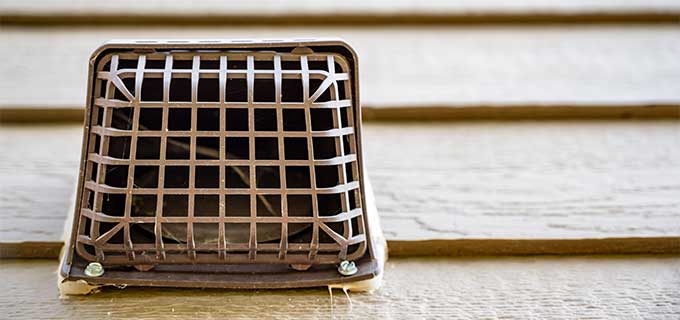
Across many cities, birds nest in dryer and bathroom vents on condo exteriors, signage alcoves on retail strips, and gaps behind soffits on older homes. Persistent chirping, nesting debris on sidewalks, and weak airflow from a dryer vent are warning signs. Because nests and eggs may be protected by law, Global Pest coordinates removal and deterrence in line with local and federal regulations.
Snake Encounters in Greenbelts and Yards
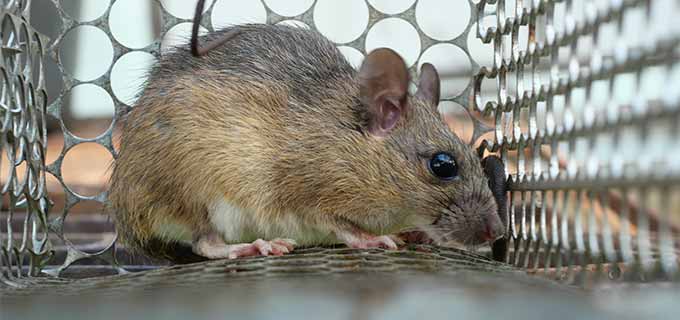
Greenbelt neighborhoods, creekside subdivisions, and community gardens can attract snakes where rodent activity is present. Look for shed skins along fence lines, tracks in dusty outbuildings, or sightings near woodpiles and crawl spaces. Citywide rodent management and tidy landscaping reduce snake encounters around homes and businesses.
Best Times to Book an Inspection per City
Book a city-specific wildlife inspection as soon as you notice activity. Early scheduling helps us navigate municipal ordinances, obtain any required permits, and deploy a technician familiar with your neighborhood’s common species and structures.
Contact Global Pest Management if you notice:
- Persistent noises in an attic, wall, ceiling, chimney, crawl space, or garage
- Droppings, urine stains, nesting debris, or a strong odor
- Damage to insulation, wiring, ducts, vents, soffits, siding, or roofline materials
- A raccoon, squirrel, bat, bird, opossum, or other animal entering or leaving the structure
- Wildlife trapped inside a living area, garage, vent, chimney, or crawl space
- Repeated garbage disturbance, digging, or wildlife sightings
- Suspected animal activity near children, pets, food-storage areas, or commercial operations
- Evidence that an animal may be raising young in the structure
Global Pest Management provides free inspections and will match you with a local route specialist who can confirm species, map the entry path, explain any city requirements, and outline the next steps to resolve the issue safely.
Prep Checklist Before Our Technician Arrives
City environments can concentrate wildlife in tight spaces, so avoid direct contact with animals, droppings, nests, or entry gaps. Improper attempts can escalate the problem or conflict with local regulations.
Until a professional arrives:
- Keep children and pets away from the affected area.
- Do not handle an animal, attempt to trap it, or use poison.
- Avoid blocking an entry point until a technician confirms the animal has exited.
- Do not sweep or vacuum droppings without appropriate protective measures.
- Secure garbage, pet food, birdseed, compost, and other outdoor food sources.
- Take photos of exterior damage, visible tracks, droppings, or nesting material from a safe distance.
- Note when noises occur, where they occur, and whether activity is daytime or nighttime.
- If wiring damage is suspected, contact a licensed electrician for an evaluation.
Local nuisance-wildlife responses may be governed by municipal or state rules. Many cities recommend using licensed operators and coordinating with wildlife authorities when needed. Global Pest follows applicable guidance and pairs removal with code-compliant screening of chimneys and attic vents to reduce future intrusions.
Why Homeowners Choose Our Local Wildlife Team
Global Pest Management delivers Wildlife Control by City across North Georgia, assigning technicians who know your neighborhoods, typical entry points, and local ordinances. We start with a targeted inspection, then implement safe removal, long-term exclusion, and prevention tailored to your city’s housing styles and green spaces.
If you’re hearing activity or seeing damage, don’t wait. Contact Global Pest Management today to schedule a free inspection. We’ll share our average response window for your city, outline a clear plan, and coordinate any city-specific steps to safeguard your property.