Wildlife ControlCost
Wondering what wildlife control might cost after hearing attic noises or spotting exterior damage? Get transparent pricing guidance and schedule a no-obligation inspection estimate with Global Pest Management.
WildlifeControl Cost
When animals move into attics, crawl spaces, garages, chimneys, wall voids, sheds, or beneath decks, the price to resolve the problem can grow quickly if it’s not addressed early. Many property owners first notice clues—scratching, droppings, damaged vents, disturbed insulation, or persistent odors—before they ever see the animal. Each of these signs hints at a different project scope and, in turn, a different price range.
Global Pest Management serves homeowners and businesses across North Georgia with clear, line-item estimates for wildlife services. Our process starts with a comprehensive inspection that identifies the species involved, maps every entry point, documents damage, and outlines options for removal, exclusion, and prevention. During this inspection, our technicians evaluate indicators such as droppings, nesting, structural and insulation damage, gnawed wiring, activity patterns, and access difficulty—each factor that can push costs up or down.
If you suspect wildlife activity, acting promptly can keep expenses in check. Early inspections limit structural damage, reduce cleanup needs, and often prevent multi-visit removals or extensive exclusion repairs that carry higher price tags.
Common Signs ofWildlife Activity
Wildlife control cost varies by species, season, and where the problem is located. Animals differ in behavior and how challenging they are to remove, which impacts pricing for inspections, removal visits, and any follow-up repairs.
Noise clues and how they affect estimates
Unusual noises help estimate project complexity and the number of visits required, both of which affect cost. You may hear:
- Scratching or scurrying in walls or attics suggesting small-entry exclusion work
- Heavy thumping that may mean larger animals and reinforced repairs
- Rustling in insulation indicating cleanup and sanitization line items
- Chirping, squeaking, or fluttering near vents hinting at roofline access challenges
- Repeated noises in chimneys, garages, or sheds which may require specialized devices
Time-of-day activity can also guide pricing tiers by indicating species and removal method. Day activity can suggest diurnal species that may be addressed during standard hours, while nocturnal activity may necessitate after-hours checks or multi-day device monitoring. Noise location—attic versus chimney—can add ladder work or roof safety measures to the estimate.
Because sound alone can be misleading, Global Pest Management provides a professional inspection and written estimate before work begins, preventing unnecessary costs from misidentification.
Cleanup needs: droppings, odors, and sanitation costs
Droppings, urine, and odors often add cleanup and decontamination to the proposal. Attics, crawl spaces, garages, sheds, and deck voids with longer-term use typically require additional labor and materials.
Budget considerations include:
- Spot versus widespread droppings that determine cleanup scope
- Urine-stained insulation that may require removal and replacement
- Persistent odors requiring enzyme treatments or HEPA filtration
- Accumulations beneath entries that indicate ongoing activity and follow-up visits
- Odors suggesting a deceased animal, which adds a removal and sanitation line item
Fresh versus old contamination affects the depth of remediation. Global Pest Management can include safe removal, cleanup, and prevention recommendations as separate line items so you can see exactly how sanitation impacts the overall cost.
Entry-point damage: exclusion and repair pricing
Exterior openings drive exclusion and repair pricing. Larger animals may require stronger materials, while small gaps demand detailed sealing at multiple locations, both impacting the total.
During your estimate, we assess:
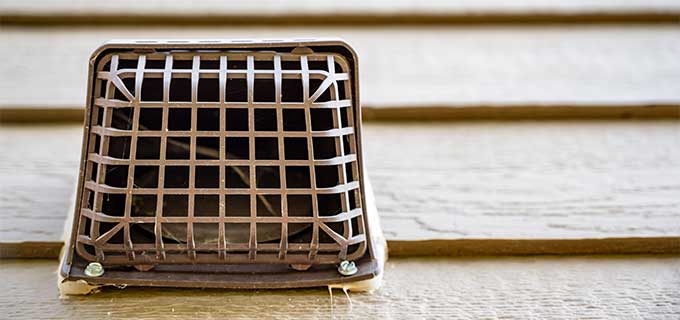
- Damaged or missing vent covers and whether standard or custom guards are needed
- Holes in soffits, fascia, siding, or roof edges that require carpentry-grade fixes
- Chimney cap condition and whether a new cap or screen is necessary
- Loose shingles or flashing that add roofing safety time
- Chewed wood that may require reinforcement or metal-proofing
- Torn crawl or attic screens that must be replaced with wildlife-rated mesh
- Gaps around utility lines needing sealant and rodent-proof materials
- Rub marks or nesting debris that reveal additional hidden entry points
To avoid extra charges from trapping animals inside, Global Pest Management sequences repairs correctly—removal first, then exclusion—so the project remains efficient and cost-effective.
Costby Location
Location affects both labor time and equipment needs, which are major drivers of wildlife control cost. Global Pest Management’s inspection details the access points, nesting areas, and damage so your estimate reflects true project scope.
Service area and travel surcharges |
Key cost variables: species, severity, and access |
Pricing models: per-visit, per-animal, and flat-rate |
|
Attic |
Height/ladder access, roof safety, insulation contamination, chewed wiring |
May require multi-visit removal, exclusion at rooflines, and cleanup or insulation work |
|
Crawl space |
Tight access, moisture, vapor barrier disturbance, multiple utility penetrations |
Added time for sealing low-clearance areas; potential sanitation and barrier repair |
|
Chimney |
Rooftop work, cap/screen installation, confined-space removal challenges |
Specialized devices and safety setup; cap replacement or retrofit may be needed |
|
Garage or shed |
Stored items, wide door gaps, food sources, wiring or insulation damage |
Perimeter sealing and door sweep upgrades; targeted removal visits |
|
Roofline or vents |
Multiple small gaps, chewed trim, screening or guard installation |
Line-item costs for guards/screens and detailed sealing across several entry points |
|
Under a deck or porch |
Dig-outs, trenching for exclusion, den access difficulty |
Project-based pricing for trench-and-mesh barriers; one-way door setup if appropriate |
|
Yard or garden |
Food attractants, fencing gaps, soil disturbance, burrows |
Prevention upgrades and targeted removal; may be lower-cost if addressed early |
A professional wildlife inspection from Global Pest Management clarifies whether you’ll need per-visit pricing, a flat project rate, or a combination. We also outline whether exclusion, one-way doors, repair, or sanitation will be included, and note any credits that may apply if you proceed with service.
Animal-SpecificClues
Wildlife control cost varies widely because every species, structure, and situation demands a different approach. Think of the animal only as one clue—pricing ultimately reflects identification, access, severity, and the steps required to restore your home safely.
Raccoon removal costs and considerations
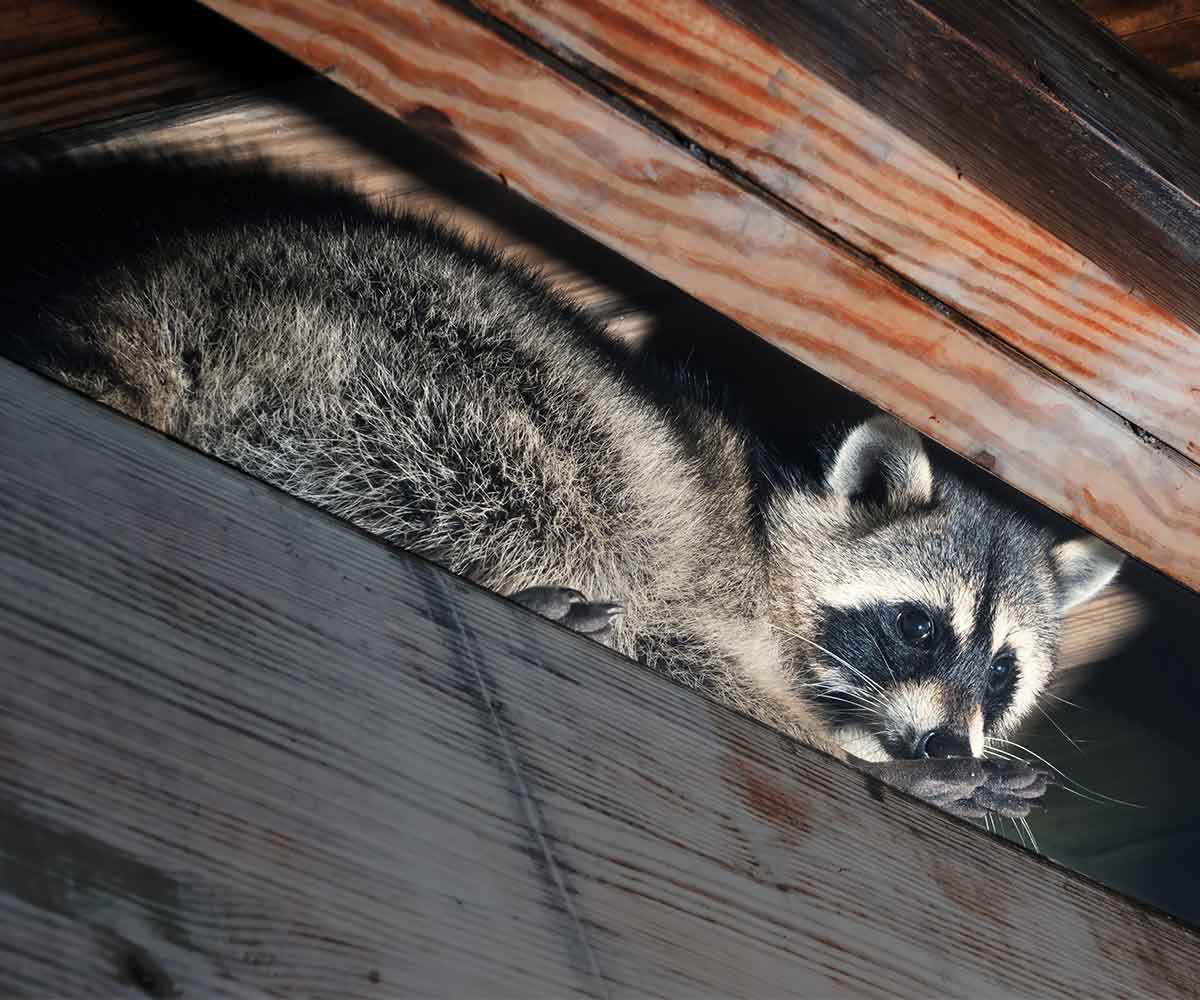
Raccoon-related services tend to be on the higher end due to their strength and the structural repairs they often require. Budgets typically include an inspection, multi-visit removal, heavy-duty exclusions at rooflines or chimneys, and potential fascia or soffit repairs. Expect added costs if there are dependent young, if roof access requires specialized safety equipment, or if attic cleanup is needed after a long-term infestation.
Projects may be priced as flat-rate removal plus line-item exclusions, or as comprehensive packages. Because raccoons can pry open weak points, investing in robust sealing materials and a warranty can reduce return visits and long-run expense.
Squirrel control pricing by severity tier
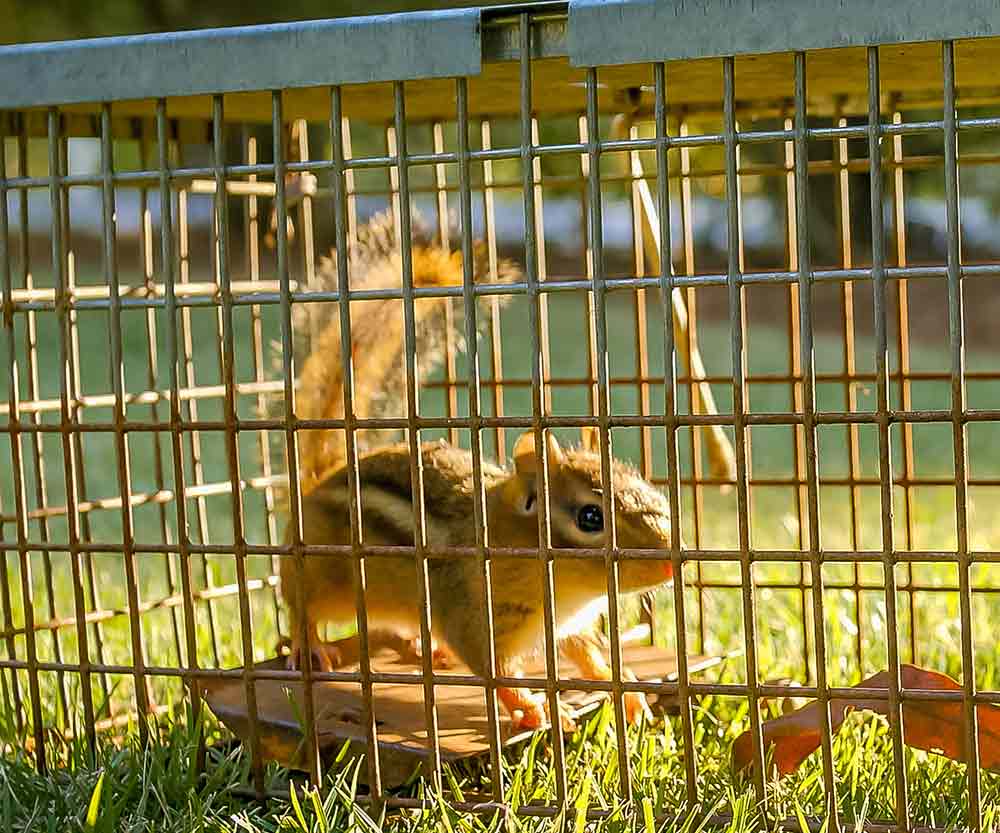
Squirrel jobs often involve several service trips and detailed sealing along the roofline. Costs commonly include per-visit trapping or one-way-door setups, followed by sealing multiple small gaps. Pricing increases with multiple active entry points, damaged wiring or insulation, and hard-to-reach edges or dormers.
To keep costs down, many homeowners choose project pricing that bundles removal with exclusion and a short-term warranty. Without proper sealing, squirrels tend to re-enter—leading to repeat charges over time.
Bat exclusion and HEPA decontamination costs
Bat work is typically specialized and priced accordingly. Because bats enter through tiny gaps, estimates cover meticulous inspection, species-appropriate timing, installing one-way devices, and sealing dozens of potential openings. Costs rise when the structure is complex, the colony is larger, or lift access is required.
Cleanup of guano and odor control are separate line items and may include HEPA-grade remediation. Professional timing is critical; attempting DIY sealing can drive up costs if bats get trapped inside or if work must be rescheduled to avoid maternity season.
Opossum trapping and relocation fees
Opossum control is often mid-range in price and commonly involves ground-level areas like decks and crawl spaces. Quotes usually include inspection, removal or eviction, screening of deck or porch skirts, and reinforcing access points. Pricing increases when lattice needs upgrading to wildlife-proof barriers or when there’s extensive digging or burrow repair.
Bird proofing and cleanup line items
Bird-related costs vary with location and legal protections. Dryer-vent nesting may be a simple removal plus sanitization and a bird-safe cover, while large signage or soffit nesting on commercial buildings can require lift equipment and multi-visit monitoring. If active nests or eggs are protected, scheduling and compliance can affect the total project cost.
Snake removal pricing and access difficulty
Snake services are typically priced per visit for inspection and removal, with additional fees for exclusion such as sealing gaps, installing door sweeps, or addressing rodent attractants. Costs rise when access is difficult (tight crawl spaces, heavy vegetation) or when multiple follow-up visits are needed due to recurring prey activity on the property.
Inspection fees, credits, and when to book
Book a wildlife cost assessment early—pricing is almost always lower when issues are caught before animals breed, spread damage, or contaminate insulation. An inspection lets you compare per-visit versus project pricing and understand what exclusions or repairs will be needed.
Contact Global Pest Management if you notice:
- Persistent noises in an attic, wall, ceiling, chimney, crawl space, or garage
- Droppings, urine stains, nesting debris, or a strong odor
- Damage to insulation, wiring, ducts, vents, soffits, siding, or roofline materials
- A raccoon, squirrel, bat, bird, opossum, or other animal entering or leaving the structure
- Wildlife trapped inside a living area, garage, vent, chimney, or crawl space
- Repeated garbage disturbance, digging, or wildlife sightings
- Suspected animal activity near children, pets, food-storage areas, or commercial operations
- Evidence that an animal may be raising young in the structure
Global Pest Management provides free inspections and will explain species-specific price variables, whether inspection fees are credited to service, and the most cost-effective plan to resolve and prevent future issues.
Pre-arrival steps to reduce time and cost
Smart preparation can keep your wildlife control costs in check. Avoid disturbing animals or entry points—escalation can turn a straightforward removal into a multi-visit project with added repairs and cleanup.
Until a professional arrives:
- Keep children and pets away from the affected area.
- Do not handle an animal, attempt to trap it, or use poison.
- Avoid blocking an entry point until a technician confirms the animal has exited.
- Do not sweep or vacuum droppings without appropriate protective measures.
- Secure garbage, pet food, birdseed, compost, and other outdoor food sources.
- Take photos of exterior damage, visible tracks, droppings, or nesting material from a safe distance.
- Note when noises occur, where they occur, and whether activity is daytime or nighttime.
- If wiring damage is suspected, contact a licensed electrician for an evaluation.
In Georgia, licensed professionals can help you avoid fines and rework—both of which add cost. Some homeowners’ policies may assist when wildlife damages a covered component, but exclusions are common. Ask Global Pest about providing documentation for insurance, itemized exclusion line items, and options like maintenance plans that spread prevention costs over the year.
Why choose Global Pest Management for value and warranty
Global Pest Management gives clear, upfront pricing for North Georgia homes and businesses. We break down inspection findings, species and severity tiers, per-visit versus project options, and detailed exclusion and repair estimates—so you understand exactly what you’re paying for.
Whether you need a quick removal or a comprehensive package with sealing, attic cleanup, and a warranty, we’ll tailor the plan to your budget and goals. Contact Global Pest Management today to schedule a free wildlife inspection and receive a transparent estimate for effective, long-term protection.