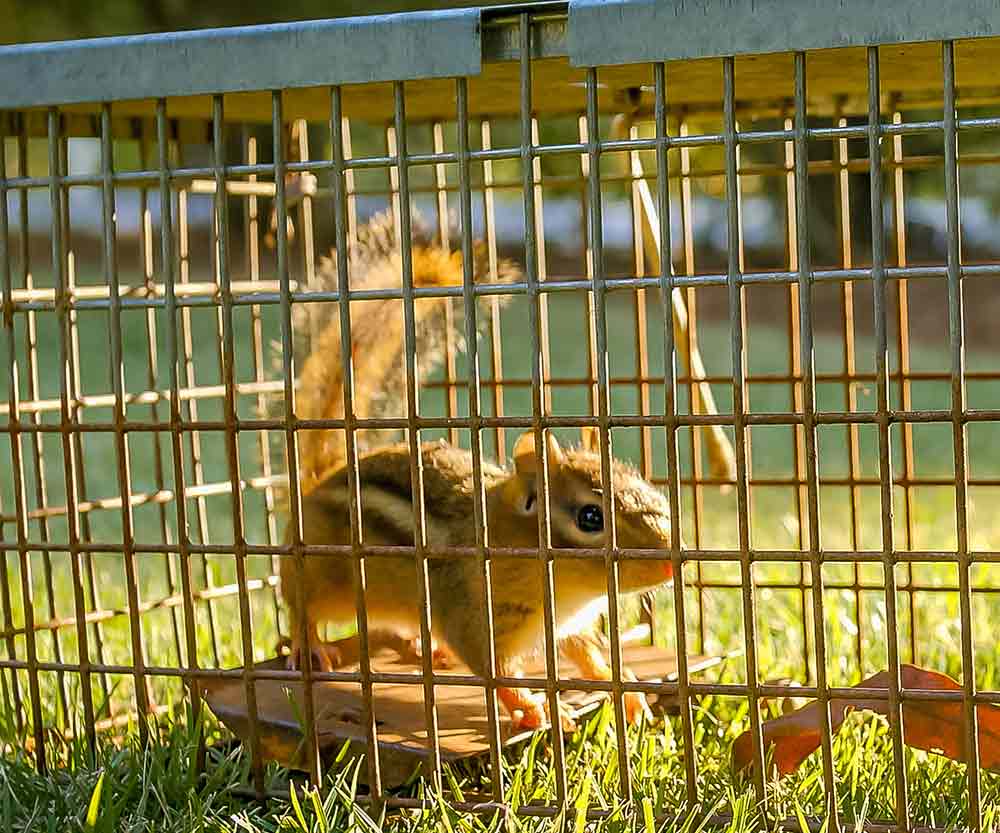
WildlifeDamage
Hearing scratching overhead, noticing musty odors, or seeing chewed trim and torn vents? Understand the warning signs of wildlife damage and book a free inspection with Global Pest Management.
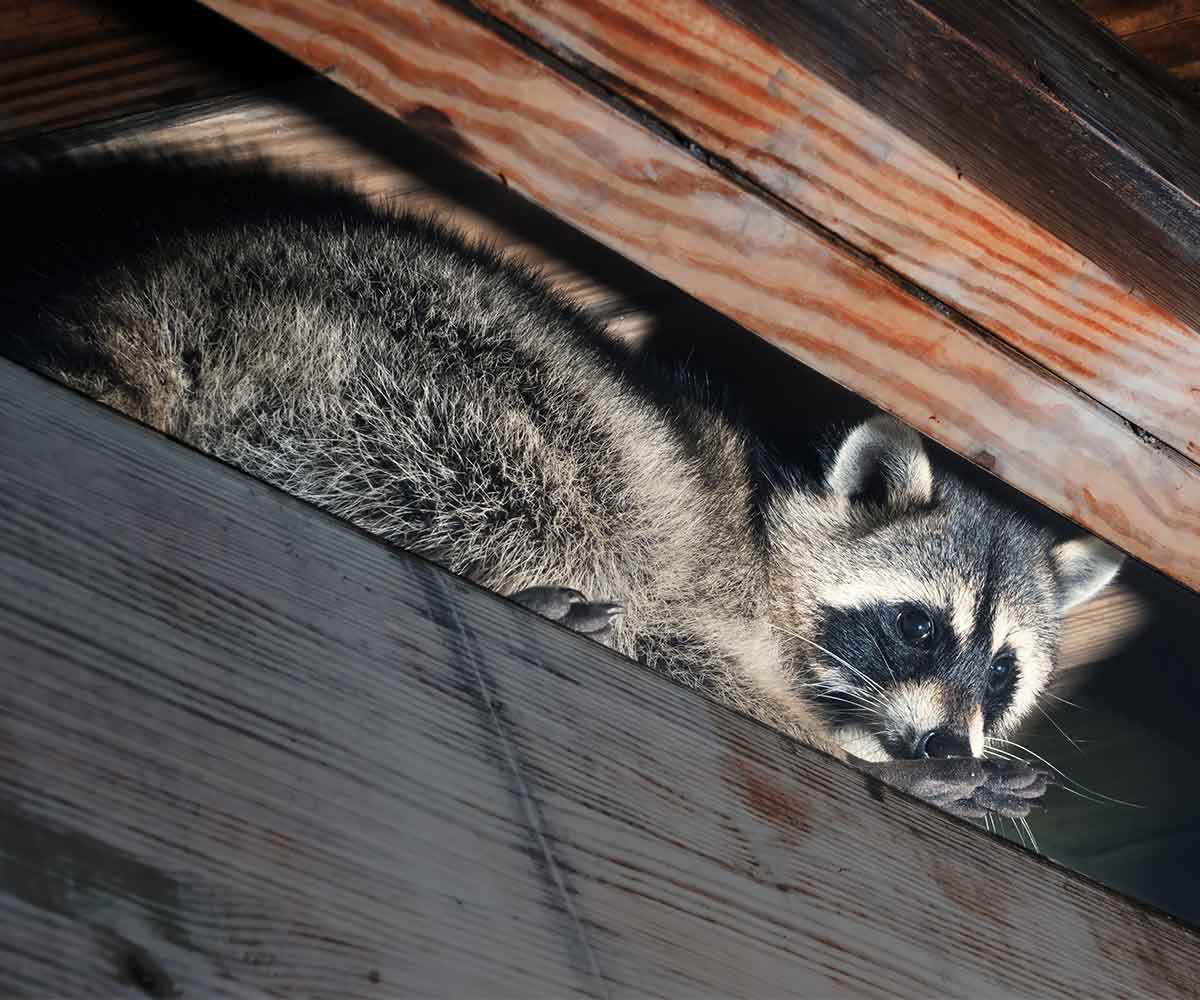
WildlifeDamage
When wildlife breaches a home or business, costly damage often follows. Attics, crawl spaces, garages, chimneys, wall voids, sheds, and the areas beneath decks are frequent targets. Many owners first spot the aftermath—gnawed wiring, shredded insulation, roofline gaps, stained ceilings, or a persistent odor—long before they see the animal that caused it.
Global Pest Management helps North Georgia property owners identify the scope and source of wildlife damage so repairs address the real problem. Our evaluation starts with a comprehensive inspection that documents chew marks on wood and wires, insulation contamination or compression, roof, soffit, and fascia breaches, ductwork or vapor barrier damage, and sanitation hazards such as droppings, urine staining, or nesting debris. From there, we outline a corrective plan that may include targeted repairs, exclusion to stop re-entry, and guidance on prevention to protect the structure long term.
If you suspect wildlife-related damage, act quickly. Early documentation and mitigation help limit structural deterioration, reduce health risks from biohazards, and prevent repeat entry that can magnify repair costs.
Common Signs ofWildlife Activity
The type of damage you see often reflects the animal, time of year, and where it entered. Raccoons, squirrels, bats, opossums, birds, and other wildlife leave distinct patterns—chewed soffits, compressed and soiled insulation, guano beneath roof peaks, torn screens, and rubbed pathways that trace how they move through a structure.
Structural and Electrical Clues of Animal Activity
Sounds often tip off hidden damage before you find it. Listen for:
- Scratching or scurrying in walls and ceilings that may indicate active gnawing on wood or wires
- Heavy thumps above the ceiling that can coincide with pulled-up shingles or pried soffits
- Rustling in insulation, which often leads to compression, contamination, and heat-loss issues
- Chirping, squeaking, or fluttering near vents and rooflines where openings or loose screens allow entry
- Repetitive noises from chimneys, garages, sheds, or under decks that signal ongoing structural disturbance
Noise timing can hint at the culprit, but the bigger concern is what’s being damaged out of sight—wiring, ductwork, vapor barriers, and insulation. A professional assessment verifies the source and maps the affected materials to avoid unnecessary or incomplete repairs.
Odors Biohazards and Contamination
Biohazards are a major component of wildlife damage. Droppings, urine, and nesting materials contaminate attics, crawl spaces, garages, sheds, and entry points, degrading air quality and materials over time.
Watch for:
- Droppings along rafters, insulation, and storage areas that indicate travel paths and nesting zones
- Urine staining on insulation, wood, or ceilings that can wick moisture and cause persistent odors
- Strong, musky, or ammonia-like smells signaling long-term use of a space
- Accumulations of guano or droppings beneath roof gaps or vents that point to active entry sites
- Intensifying odors that may indicate a carcass in a wall, attic, or crawl space
Fresh droppings look moist and dark; older droppings dry and gray. Because disturbing contaminated materials can aerosolize pathogens and spread secondary pests, avoid sweeping or vacuuming. Contact Global Pest Management for inspection, safe removal, odor remediation, and recommendations to prevent recurrence.
Roof Soffit and Fascia Compromise
Exterior breaches are the gateway to interior damage. Raccoons can pry open weak soffits, squirrels often chew fascia and trim, and bats exploit thin gaps along rooflines, vents, and chimneys—each pathway leading to insulation contamination, wiring risks, and moisture intrusion.
Inspect the exterior for:
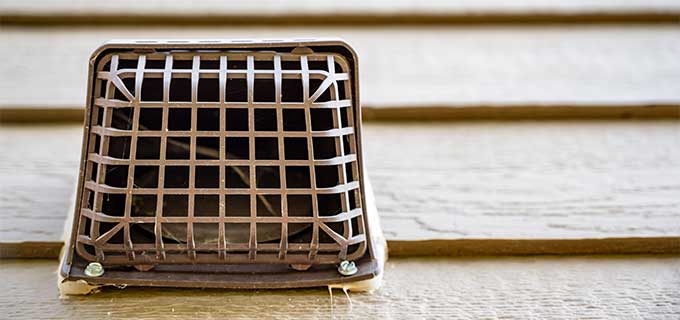
- Bent, torn, or missing vent covers that expose attic or crawl space cavities
- Holes in soffits, fascia, siding, or roof edges created or enlarged by gnawing
- Compromised chimney caps or open flues allowing nesting and debris blockages
- Loose shingles, trim, or flashing that invite repeat entry and water damage
- Chew scars around eaves, attic vents, or rooflines indicating persistent attempts to widen gaps
- Torn screens on crawl space or attic vents that enable access to insulation and wiring
- Unsealed penetrations around pipes, cables, electrical lines, or HVAC components
- Rub marks, claw marks, fur, feathers, or nesting debris that pinpoint an active route
Avoid sealing openings if animals may still be inside. Trapping wildlife in the structure can escalate damage, create severe odor issues, and lead to additional biohazards. Schedule a professional inspection to pair correct exclusion with proper repairs.
Signsby Location
Damage patterns help pinpoint which systems are affected and where repairs are needed. Global Pest Management’s inspection documents structural breaches, contamination, and mechanical impacts so repair priorities are clear and properly sequenced.
Service Area |
Key Indicators of Wildlife Damage |
Types of Home Damage Caused by Wildlife |
|
Attic |
Scratching, thumping, torn or soiled insulation, droppings, nests, chewed wires, odors |
Fire risk from wire gnawing, energy loss from insulation compression/contamination, biohazard cleanup, roofline and vent repair |
|
Crawl space |
Droppings, insulation damage, odor, disturbed vapor barrier, animal pathways |
Vapor barrier breaches, duct damage and heat loss, moisture and odor issues, secondary pests attracted to waste |
|
Chimney |
Chirping, fluttering, scratching, nesting debris, blocked flue |
Blocked venting, smoke backdraft risk, soot contamination, need for cap repair and sanitization |
|
Garage or shed |
Droppings, torn bags, nests, chewed belongings, musky odors |
Stored item destruction, introduction of fleas, mites, or beetles, odor remediation, door sweep and gap repairs |
|
Roofline or vents |
Gaps, chewed trim, loose screens, repeated entry and exit |
Soffit and fascia rot, water intrusion, ongoing entry without proper exclusion materials and screening |
|
Under a deck or porch |
Digging, disturbed soil, nocturnal movement, odors, visible den opening |
Foundation vent damage, odor and biohazard accumulation, erosion around footings if burrowing continues |
|
Yard or garden |
Tracks, overturned trash, damaged plants, mounds, scattered birdseed |
Attractants fueling repeat entry, landscape and irrigation damage, elevated risk of secondary infestations |
For hidden areas such as walls, attics, rooflines, chimneys, and crawl spaces, a formal wildlife inspection documents conditions for repairs and insurance, and ensures exclusion and prevention steps target every breach. Ask Global Pest Management about inspection records, photos, and reporting to support claims and warranty repairs.
Animal-SpecificClues
Each species damages structures in its own way. The patterns below help explain the harm they cause, but a professional assessment is essential to document the extent and recommend repairs.
Raccoon-Related Roof and Insulation Damage
Raccoons are powerful animals that pry, rip, and bend building materials. Typical damage includes torn soffits and fascia, crushed shingles near roof edges, ripped attic vents, and contaminated insulation from urine and feces. Their weight can compress insulation, reduce R-value, and break duct hangers, while latrine sites create biohazard zones that require specialized cleanup.
Inside attics, raccoons may widen entry holes, shred vapor barriers, and dislodge wiring or lights while moving around. Because they often establish den sites and may have young, Global Pest recommends professional mitigation, odor remediation, and structural sealing after documentation.
Squirrel Wire Gnawing and Attic Destruction
Squirrels are prolific gnawers. Expect chew damage to roof edges, fascia boards, soffits, and gable vents to create access points. Inside, they frequently gnaw electrical wiring and cable sheathing, elevating fire risk, and they disturb or mat down insulation while tunneling, which diminishes energy efficiency.
Other impacts include seed caches in voids, shredded nesting in corners, and small chew-outs along rooflines that are reused unless permanently excluded. Global Pest documents wire gnawing, insulation compression, and entry locations to guide safe repairs and wildlife-proofing.
Bat Guano Urine Staining and Odor Issues
Bats exploit tiny gaps along rooflines, ridge vents, chimneys, and utility penetrations. The primary damage is from guano and urine: soiled insulation, staining on rafters and exterior siding below entry points, and persistent odors. Guano accumulations can harbor fungal spores and attract secondary pests such as beetles and flies.
Improper sealing can trap bats indoors and worsen contamination. Global Pest provides species-aware timing recommendations, detailed contamination reports, and plans for guano removal, odor control, and sealing once the structure is cleared according to best practices.
Opossum Nesting Mess and Secondary Pests
Opossums commonly disrupt crawl spaces and under‑deck areas. They dislodge or tear ground vapor barriers, damage flexible duct runs, and contaminate surfaces with droppings and urine that create odors and moisture problems. Nesting beneath structures can also invite fleas and ticks, leading to secondary infestations indoors.
Bird Nesting Debris and Vent Blockage
Bird nesting in vents, eaves, signs, and chimneys can clog airflow, overheat dryer systems, and introduce mites and lice. Nests hold moisture against building materials, accelerating decay, and droppings stain siding and masonry while corroding metal over time. Reduced ventilation and chronic odors are common complaints that require careful removal and sanitization.
Snake Entry Points and Secondary Infestation Risks
Snakes often follow rodent pathways into garages and crawl spaces. While they rarely chew or tear materials, they signal a rodent issue that can lead to wiring damage and insulation contamination by the prey species. Shed skins and tracks indicate travel routes that should be sealed; correcting the underlying rodent activity helps prevent cascading structural problems.
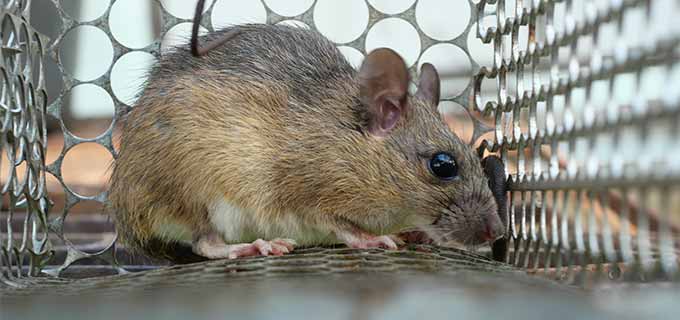
Schedule an Assessment for Documented Damage
Book a wildlife damage inspection as soon as you notice structural changes, contamination, or new openings. Fast action limits repair costs, reduces fire and health risks, and helps preserve documentation for insurance purposes.
Contact Global Pest Management if you notice:
- Persistent noises in an attic, wall, ceiling, chimney, crawl space, or garage
- Droppings, urine stains, nesting debris, or a strong odor
- Damage to insulation, wiring, ducts, vents, soffits, siding, or roofline materials
- A raccoon, squirrel, bat, bird, opossum, or other animal entering or leaving the structure
- Wildlife trapped inside a living area, garage, vent, chimney, or crawl space
- Repeated garbage disturbance, digging, or wildlife sightings
- Suspected animal activity near children, pets, food-storage areas, or commercial operations
- Evidence that an animal may be raising young in the structure
Global Pest Management provides free inspections and will document chew damage, contamination, and entry routes, then recommend repair, exclusion, and sanitation steps to restore safety and function.
Immediate Safety Steps and Odor Remediation
Avoid touching contaminated materials such as droppings, soaked insulation, or damaged ductwork. Disturbing these areas can aerosolize pathogens, spread odors, or worsen structural damage.
Until a professional arrives:
- Keep children and pets away from the affected area.
- Do not handle an animal, attempt to trap it, or use poison.
- Avoid blocking an entry point until a technician confirms the animal has exited.
- Do not sweep or vacuum droppings without appropriate protective measures.
- Secure garbage, pet food, birdseed, compost, and other outdoor food sources.
- Take photos of exterior damage, visible tracks, droppings, or nesting material from a safe distance.
- Note when noises occur, where they occur, and whether activity is daytime or nighttime.
- If wiring damage is suspected, contact a licensed electrician for an evaluation.
Georgia property owners should also be mindful that nuisance-wildlife removal may be regulated. Local government guidance advises using a licensed trapper or contacting the Georgia Department of Natural Resources for nuisance wildlife concerns, while screening chimneys and attic vents can reduce the chance of wildlife entering the home.
Why Homeowners Choose Global Pest Management
Global Pest Management documents and repairs wildlife damage for North Georgia homes and businesses. Our specialists assess chew patterns, wiring hazards, insulation contamination, duct and vapor barrier breaches, and roofline openings, then provide a plan for sanitation, odor remediation, exclusion, and prevention.
Don’t ignore gnaw marks, stained insulation, damaged vents, or persistent attic odors. Contact Global Pest Management today to schedule a free inspection and receive clear documentation and a repair roadmap to protect your property from ongoing wildlife damage.