WildlifeExclusion
Hearing activity overhead, spotting gaps around vents, or seeing chewed soffits? Discover how professional wildlife exclusion stops entry for good and schedule a free inspection with Global Pest Management.
WildlifeExclusion
Once wild animals discover a way into a structure, they often return, widening gaps and compromising the building envelope. Attics, crawl spaces, garages, chimneys, wall voids, sheds, and the voids beneath decks are common weak points where small openings become reliable access routes. Many owners don’t see the intruder itself—what they notice are access holes, gnaw marks, displaced insulation, damaged vents, and odors that signal air exchange with contaminated spaces.
At Global Pest Management, we specialize in long-term wildlife exclusion for homes and businesses across North Georgia. Our full-home exclusion approach starts with a comprehensive inspection to map every active and potential entry point, evaluate roofline and foundation vulnerabilities, and design a custom seal-out plan. We assess soffits, ridge vents, gable vents, chimney caps, utility penetrations, crawlspace vents, and construction gaps, then recommend durable materials and techniques—such as hardware cloth, galvanized flashing, and sealants—to prevent re-entry. When needed, we coordinate humane one-way devices with precise timing before permanent sealing.
If you suspect wildlife is testing your property, act quickly. Early exclusion planning limits structural damage, reduces contamination risk, and prevents animals from imprinting on your home as a den site.
Common Signs ofWildlife Activity
Effective wildlife exclusion focuses on how animals exploit structures—small gaps at the roofline, open vents, loose soffits, or unprotected chimney flues. Different species, seasons, and building designs influence which defenses fail first, so a targeted seal-out must address each vulnerability with the right materials and fit.
Noises That Reveal Active Breaches
Unusual sounds often reveal where to exclude and reinforce:
- Scratching or scurrying that traces along wall cavities or into the attic suggests a fascia, soffit, or roof return gap
- Heavy thumps above ceilings can indicate roofline breaches that require metal flashing and soffit repair
- Rustling within insulation points to unguarded ridge or gable vents
- Chirping, squeaking, or fluttering near vents and rooflines signals the need for vent guards or ridge vent covers
- Repetitive noises from a chimney, garage, shed, or under a deck highlight openings that call for caps, door sweeps, or buried hardware cloth
Timing and location of sounds help guide exclusion design, but sound alone doesn’t confirm the species or the exact entry. A professional inspection ensures the right devices and materials are installed without sealing animals inside.
Contamination Indicators Guiding Seal-Out Strategy
Odors and staining often mark active airflow between living spaces and wildlife zones, indicating where exclusion and cleanup are needed. Attics, crawl spaces, garages, sheds, and deck voids commonly show contamination when openings remain unsealed.
Watch for:
- Tracks and droppings that trace to an exterior gap, ridge vent, or utility line penetration
- Dark moisture stains on insulation or wood that correspond with unsealed roof edges
- Persistent musky or ammonia-like odors that migrate through unprotected vents
- Accumulations of droppings beneath an attic hatch, roofline gap, or louvered vent
- Strong, worsening odor from concealed spaces that signals the need for inspection before exclusion work proceeds
Do not disturb contaminated materials without proper safety protocols. Global Pest Management provides inspection, sanitation guidance, and an exclusion plan that corrects the structural pathways causing the issue.
Structural Gaps Needing Permanent Exclusion
Exterior breaches are the heart of an exclusion project. Weak soffits, torn vents, and roofline gaps invite repeated entry. Properly fitted vent guards, chimney caps, galvanized flashing, and hardware cloth create durable barriers that resist chewing and weather.
Inspect the exterior for:
- Bent, missing, or loose vent covers that need rigid metal guards
- Openings in soffits, fascia, siding, or roof edges that call for repair and metal reinforcement
- Damaged or absent chimney caps that should be replaced with screened, wildlife-rated caps
- Loose shingles, exposed trim, poorly seated flashing, or gaps at roof transitions
- Chewed wood around eaves, attic vents, or roof returns that requires metal-backed repairs
- Torn screens on crawlspace or attic vents that should be upgraded to hardware cloth
- Unsealed penetrations at pipes, cables, electrical lines, and HVAC components that need pest-proof fittings and sealant
- Rub marks, hair, feathers, or nesting debris that identify active travel routes to be sealed
Never close an active entry without a release strategy. Global Pest Management integrates one-way devices when needed, then performs permanent sealing once activity has ceased.
Exclusionby Location
Knowing where vulnerabilities exist helps prioritize exclusion steps. Global Pest Management’s full-home inspection maps all current and potential entry points so we can design a comprehensive seal-out that addresses roof-to-foundation risks.
Service Area |
Full-Home Exclusion Philosophy |
Materials and Methods for Long-Lasting Wildlife-Proofing |
|
Attic |
Stop access at roof edges, eaves, ridge, and gable vents; protect utility penetrations |
Ridge vent covers, gable vent guards, galvanized flashing at roof returns, sealant at penetrations |
|
Crawl space |
Close foundation gaps and secure vents while preserving airflow |
Buried hardware cloth skirts, pest-rated vent covers, concrete or mortar patching, weatherproof sealants |
|
Chimney |
Prevent entry through flues and crowns without impeding draft |
Stainless steel chimney caps with screened sides, crown repairs, secure flue top dampers |
|
Garage or shed |
Eliminate door gaps and reinforce utility penetrations |
Door sweeps and threshold seals, hardware cloth behind louvered vents, metal escutcheons with sealant |
|
Roofline or vents |
Reinforce soffits, fascia, and all intake/exhaust vents |
Metal-backed soffit repairs, vent guards rated for wildlife, fastened with corrosion-resistant hardware |
|
Under a deck or porch |
Block denning by securing open sides and buried edges |
L-shaped hardware cloth trenching buried below grade, lattice backed with metal mesh, anchored to framing |
|
Yard or garden |
Protect attractants and routes that lead back to the structure |
Wildlife-proof lids, secured compost, stabilized bird feeders, and targeted perimeter mesh where appropriate |
A professional inspection determines where one-way devices should be used, when to time their removal, and which permanent materials will keep animals out for the long term. Global Pest Management documents all work, offers exclusion warranty options, and conducts quality assurance checks to verify a complete seal.
Animal-SpecificClues
Different animals exploit structures in different ways. These patterns should guide targeted exclusion—not replace a professional assessment and seal-out plan.
Species-Specific Entry Patterns: Raccoons
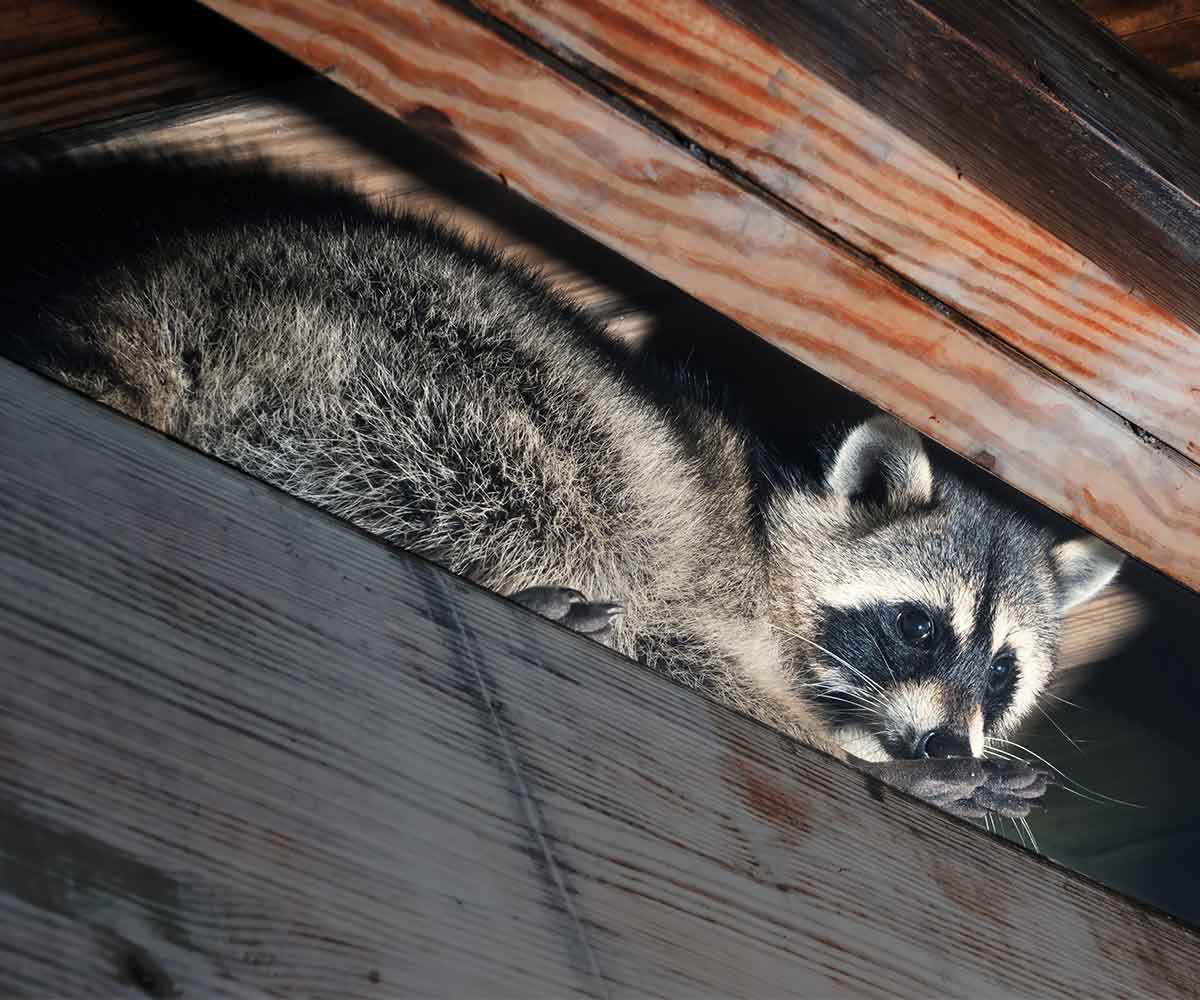
Raccoons are powerful pryers that rip open weak roofline points. Typical exclusion targets include loose soffits, flimsy attic vents, warped fascia, and uncapped chimneys. Nighttime commotion near these areas and large openings at eaves often signal a breach that needs reinforced sealing.
Long-term solutions focus on structural fortification: installing heavy-gauge vent guards, chimney caps, and galvanized flashing along roof edges, then closing former access with hardware cloth and fasteners. Because young may be present, Global Pest times one-way devices carefully and completes permanent repairs only after verified exit.
Species-Specific Entry Patterns: Squirrels
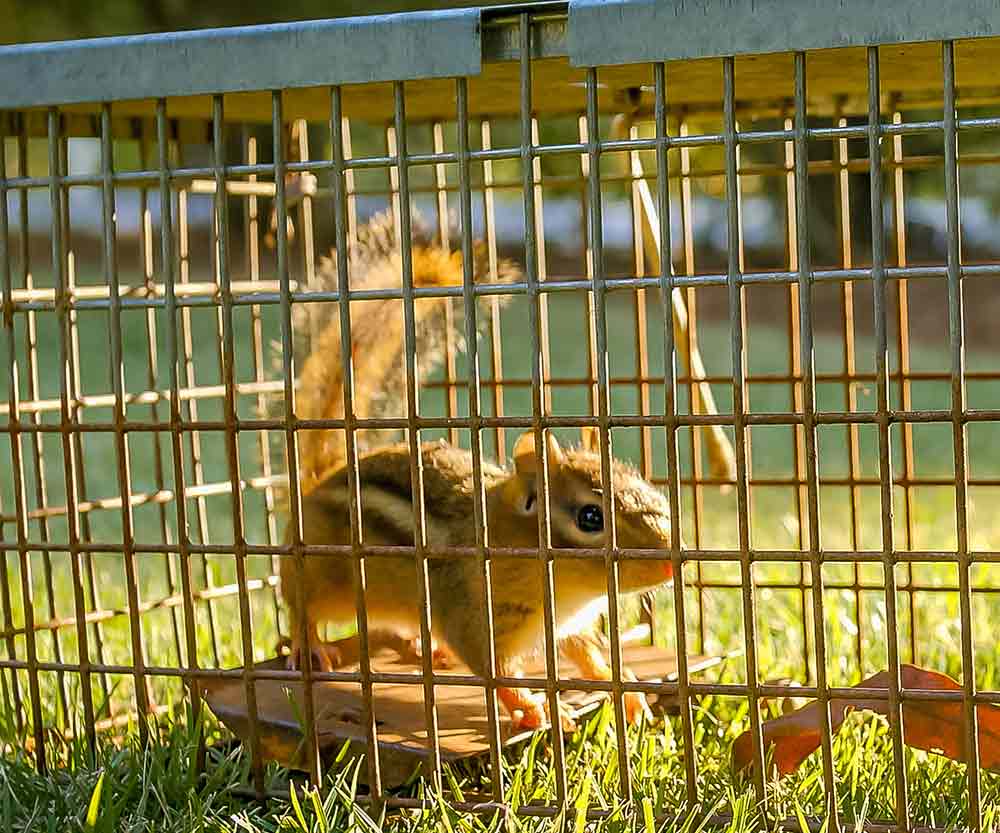
Day-active squirrels commonly gnaw through roof edges and fascia to reach attics. Effective exclusion addresses every gap along the roofline, ridge, and soffit returns using chew-resistant materials and sealed seams that block re-entry.
After outflow through a one-way device, technicians secure the original hole and reinforce potential “soft spots” with hardware cloth, metal flashing, and vent guards. Without comprehensive sealing, squirrels often reuse the same path, so full-home exclusion is essential for lasting results.
Species-Specific Entry Patterns: Bats
Bats slip through finger-width gaps along ridge vents, gable vents, chimney crowns, and siding transitions. Staining below a slit-gap or dusk activity near rooflines indicates precise sealing is required at every linear opening.
Proper bat exclusion relies on seasonally timed one-way valves installed at primary exits, followed by meticulous closure of all secondary gaps with bat-safe sealants and fine hardware cloth. Never seal suspected bat entry while bats may be inside; Global Pest follows species-appropriate windows to protect wildlife and ensure full clearance.
Species-Specific Entry Patterns: Opossums
Opossums favor ground-level voids—under decks, sheds, porches, and open crawlspace vents. Exclusion focuses on screening the perimeter with buried hardware cloth, closing foundation gaps, and adding tight-fitting access doors.
Species-Specific Entry Patterns: Birds
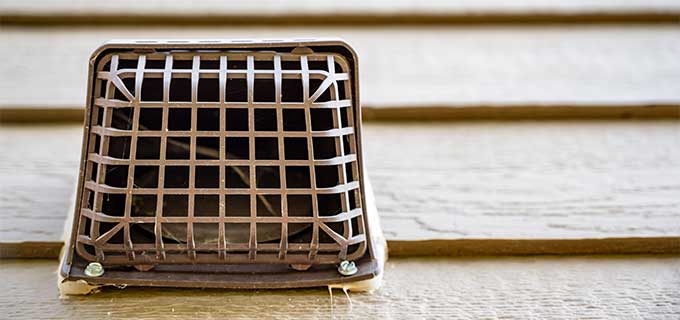
Birds exploit unprotected dryer, bathroom, and attic vents, as well as open soffit cavities. Permanent proofing includes installing vent covers with backdraft compatibility, sealing soffit returns, and capping chimneys. Active nests may be regulated, so Global Pest evaluates timing and uses lawful, humane exclusion steps before fitting guards.
Species-Specific Entry Patterns: Snakes
Snakes use rodent-sized gaps along garage door sweeps, foundation cracks, and torn crawlspace screens. Effective exclusion removes entry routes with tight sweeps, sealed utility penetrations, and upgraded foundation screening, while reducing harborages that attract prey. Durable materials and flush-fit installations are key to preventing re-entry.
Best Timing for One-Way Devices and Inspections
Book an exclusion inspection as soon as you see new openings, damaged vents or soffits, or any sign wildlife is using your structure. Early intervention prevents re-entry and reduces repair needs.
Contact Global Pest Management if you notice:
- Persistent noises in an attic, wall, ceiling, chimney, crawl space, or garage
- Droppings, urine stains, nesting debris, or a strong odor
- Damage to insulation, wiring, ducts, vents, soffits, siding, or roofline materials
- A raccoon, squirrel, bat, bird, opossum, or other animal entering or leaving the structure
- Wildlife trapped inside a living area, garage, vent, chimney, or crawl space
- Repeated garbage disturbance, digging, or wildlife sightings
- Suspected animal activity near children, pets, food-storage areas, or commercial operations
- Evidence that an animal may be raising young in the structure
Global Pest Management provides free inspections and will map every active and at-risk entry point, recommend one-way device placement when appropriate, and outline a full-home exclusion plan with warranted seal-out repairs.
Pre-Visit Steps to Support Effective Exclusion
Avoid disturbing gaps, vents, or suspected den areas. Prematurely sealing holes can trap wildlife inside and complicate the exclusion sequence.
Until a professional arrives:
- Keep children and pets away from the affected area.
- Do not handle an animal, attempt to trap it, or use poison.
- Avoid blocking an entry point until a technician confirms the animal has exited.
- Do not sweep or vacuum droppings without appropriate protective measures.
- Secure garbage, pet food, birdseed, compost, and other outdoor food sources.
- Take photos of exterior damage, visible tracks, droppings, or nesting material from a safe distance.
- Note when noises occur, where they occur, and whether activity is daytime or nighttime.
- If wiring damage is suspected, contact a licensed electrician for an evaluation.
Georgia property owners should also be mindful that nuisance-wildlife removal may be regulated. Local government guidance advises using a licensed trapper or contacting the Georgia Department of Natural Resources for nuisance wildlife concerns, while screening chimneys and attic vents can reduce the chance of wildlife entering the home.
Why Homeowners Choose Global Pest Management for Exclusion
Global Pest Management specializes in wildlife exclusion for North Georgia homes and businesses. Our full-home philosophy addresses the entire structure—roofline, vents, chimney, soffits, ridge vents, crawlspace, and foundation—using hardware cloth, galvanized flashing, vent guards, sealants, and custom-fitted caps.
Don’t ignore loose soffits, bent vents, or new gaps along the roof or foundation. Contact Global Pest Management today to schedule a free exclusion inspection and receive a written plan detailing one-way device timing, permanent seal-out repairs, a workmanship warranty, and follow-up quality assurance checks.