Wildlifein the Attic
Hearing scratching overhead, smelling a sharp urine odor, or noticing chewed vents near the roof? Learn the telltale signs of wildlife in the attic and schedule a free attic inspection with Global Pest Management.
Wildlifein the Attic
When animals reach the attic, they can quickly turn insulation into nests, contaminate air with droppings, and gnaw wiring. Many homeowners don’t see the intruder at first—what stands out are nighttime scurrying sounds, guano or pellet piles, frayed wires, shredded insulation, and small openings around soffits or ridge vents that hint at how the animal got inside.
Global Pest Management helps North Georgia homeowners and businesses diagnose and resolve attic wildlife issues. Our attic-focused process begins with a detailed inspection to identify the species involved, map entry routes, evaluate hazards to wiring and insulation, and design a removal, exclusion, and prevention plan tailored to your structure. During the assessment, Global Pest Management technicians look for species-specific droppings, nesting materials, rub and grease marks, compromised soffits and vents, chewed conductors, and the timing and pattern of attic noises.
If you suspect activity overhead, act quickly. Early inspection limits contamination, reduces the risk of fire from damaged wiring, and helps prevent animals from establishing a nursery site in your attic.
Common Signs ofWildlife Activity
Wildlife signs in attics vary by season and species. Gray squirrels, flying squirrels, bats, roof rats, raccoons, and nesting birds each leave distinct clues that point to how they entered and where they are roosting.
Attic Noises: Scratching, Scurrying, and Thumps Explained
Sound patterns are often the first clue that animals are overhead. You may hear:
- Light, rapid scratching or rolling sounds across joists and insulation
- Heavy thumps or slow, deliberate movement indicating a larger animal
- Rustling within insulation bays near eaves and soffits
- Chirping, squeaks, or faint fluttering around gable or ridge vents
- Repetitive entry and exit sounds concentrated at dusk and dawn
Timing offers important context: daytime scurrying often suggests gray squirrels; after-dark activity with short bursts near dawn may indicate flying squirrels or bats; powerful thumps and chattering can point to raccoons. Noises isolated to the chimney chase or around the roofline may indicate birds or squirrels. Because sound alone can mislead, a professional attic inspection prevents guesswork and unnecessary repairs.
However, sound alone is not enough to identify an animal. A professional inspection can help determine what is active and avoid unnecessary repairs or removal attempts.
Guano, Urine Odor, and Other Attic Droppings
Attics with established wildlife activity often show contamination. Bat guano may form small piles beneath ridge vents; rodent pellets line rafters; raccoon latrines create strong, musty odors and stained insulation. Persistent ammonia-like smells or ceiling stains can indicate long-term use.
Look for:
- Droppings along joists, near eaves, or atop insulation batts
- Dark urine staining on wood, insulation, or around access hatches
- A sharp, musky or ammonia odor that intensifies in warm weather
- Guano deposits beneath a roofline gap, gable vent, or louver
- Escalating odor that could signal a deceased animal hidden in the attic void
Fresh droppings are typically darker and moist; older material turns dry and gray. Because droppings can carry pathogens, avoid sweeping or vacuuming without protective equipment—disturbing them can aerosolize contaminants. Contact Global Pest Management for safe assessment, HEPA-filtered cleanup, disinfection, and prevention guidance.
Soffit Gaps, Ridge Vents, and Roofline Entry Points
Most attic intrusions start at weak roof transitions. Squirrels enlarge dime-sized gaps at eaves; raccoons pry up soffit panels; bats slip through narrow cracks around ridge vents and utility penetrations.
Inspect your roofline for:
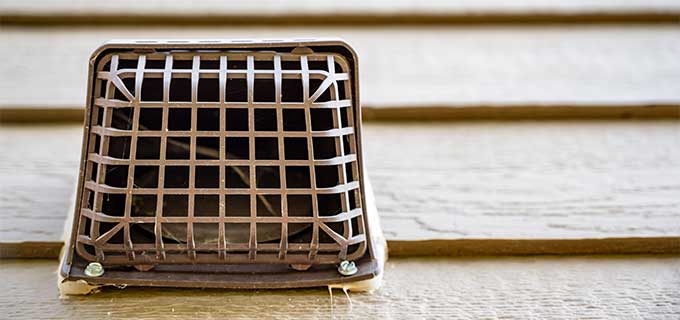
- Bent or missing vent covers and loose gable or ridge vent screens
- Holes or chew-outs in soffits, fascia, and frieze boards
- Compromised chimney caps or uncapped flues
- Lifted shingles, open flashing, or gaps at roof-wall intersections
- Gnaw marks at attic vents and eave returns
- Torn screening on attic or gable vents
- Openings at pipes, cable lines, and HVAC penetrations
- Rub marks, fur, feathers, or nesting debris below an active entry
Do not seal an opening if animals may still be inside. Trapping wildlife in the attic can increase damage, create odor problems, and separate young from their mother. A timed eviction plan with one-way devices and proper sealing is the safest approach.
Signsby Location
Pinpointing where evidence appears inside the attic helps confirm the species and the route of entry. Global Pest Management’s attic inspection focuses on eaves, vents, and chaseways to determine how animals access the space and where they are nesting or causing damage.
Attic-Specific Hotspots to Check |
Clear Signs of Wildlife Activity in the Attic |
Which Animal Is in My Attic? |
|
Attic |
Nighttime scurrying, thumps, guano piles, chewed wires, urine-stained insulation |
Squirrels, bats, roof rats, raccoons, nesting birds |
|
Crawl space |
Odor traveling upward, droppings near plumbing chases, cold-air return contamination |
Rodents, opossums, raccoons |
|
Chimney |
Fluttering, chirps, debris at the firebox, soot disturbance, capped vs. uncapped flue |
Birds, bats, squirrels |
|
Garage or shed |
Nests in stored boxes, chewed items, access to attic via pull-down ladder hatch |
Rodents, squirrels |
|
Roofline or vents |
Soffit gaps, lifted shingles, rub marks at gable vents, repeated dusk exit points |
Squirrels, bats, raccoons |
|
Under a deck or porch |
Visible den opening that aligns with wall cavities leading to the attic |
Raccoons, opossums |
|
Yard or garden |
Claw marks on downspouts, disturbed mulch below eaves, seed attractants near walls |
Squirrels, raccoons, roof rats |
A professional attic inspection is vital when activity occurs in concealed voids like eaves, roof chases, and vent pathways. Correct identification informs the right strategy—eviction devices, targeted exclusion, humane removal, repairs, and attic sanitization—to restore a clean, sealed, and safe space.
Animal-SpecificClues
Wildlife species leave distinct signs when they occupy an attic. Use these clues to guide next steps, but rely on a trained professional for accurate identification and safe removal.
Raccoons in the Attic
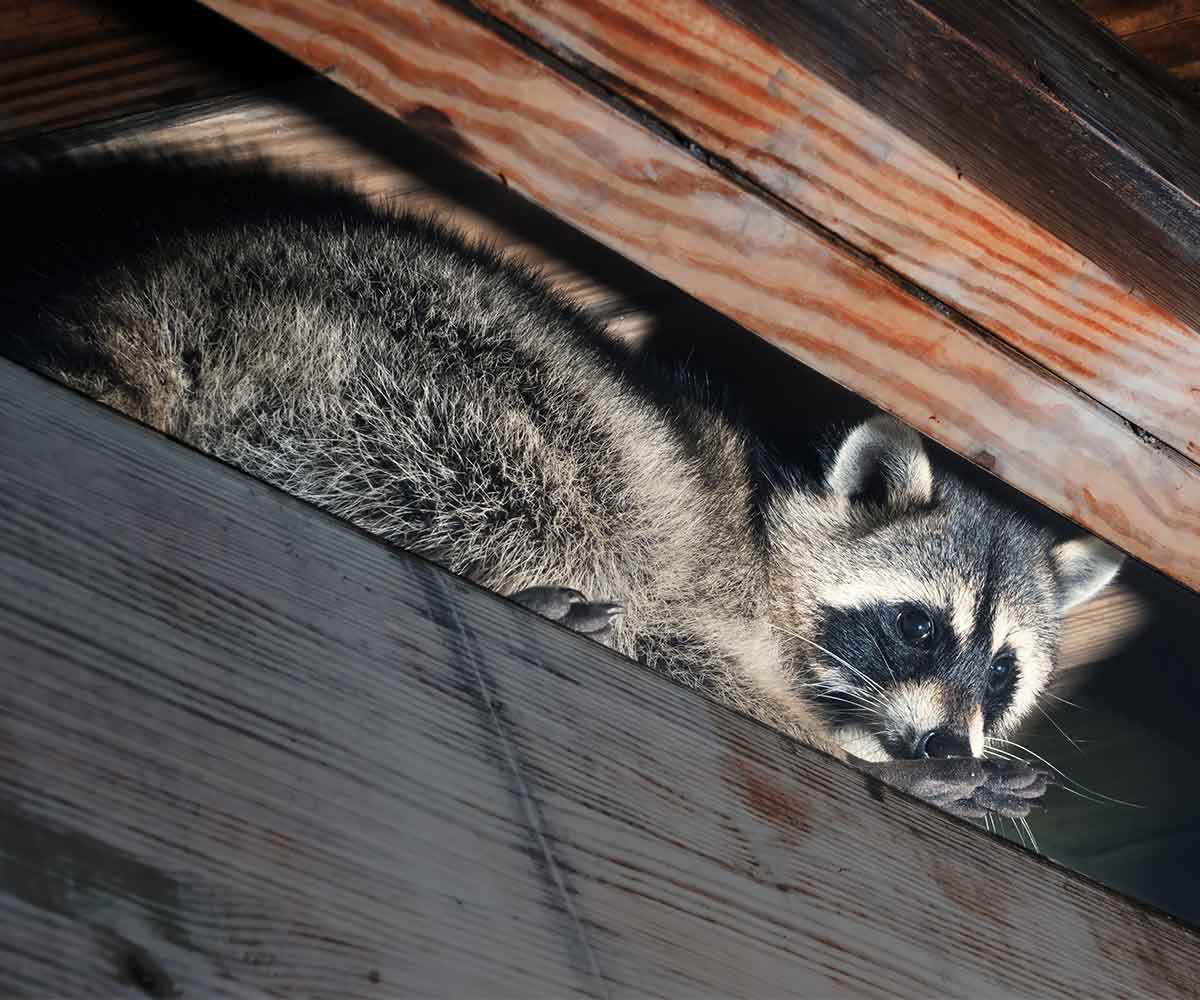
In attics, raccoons sound heavy and deliberate—think thumping, slow walking, and dragging noises, often after dark. Look for pulled-back shingles, ripped soffits, bent roof vents, large latrine areas with sizable droppings, and insulation matted near a den site.
Raccoons often access the attic from the roofline, then settle above quiet rooms. Because they can tear open fascia and may have kits in spring, attic-specific removal and exclusion by a professional is essential.
Squirrels in the Attic
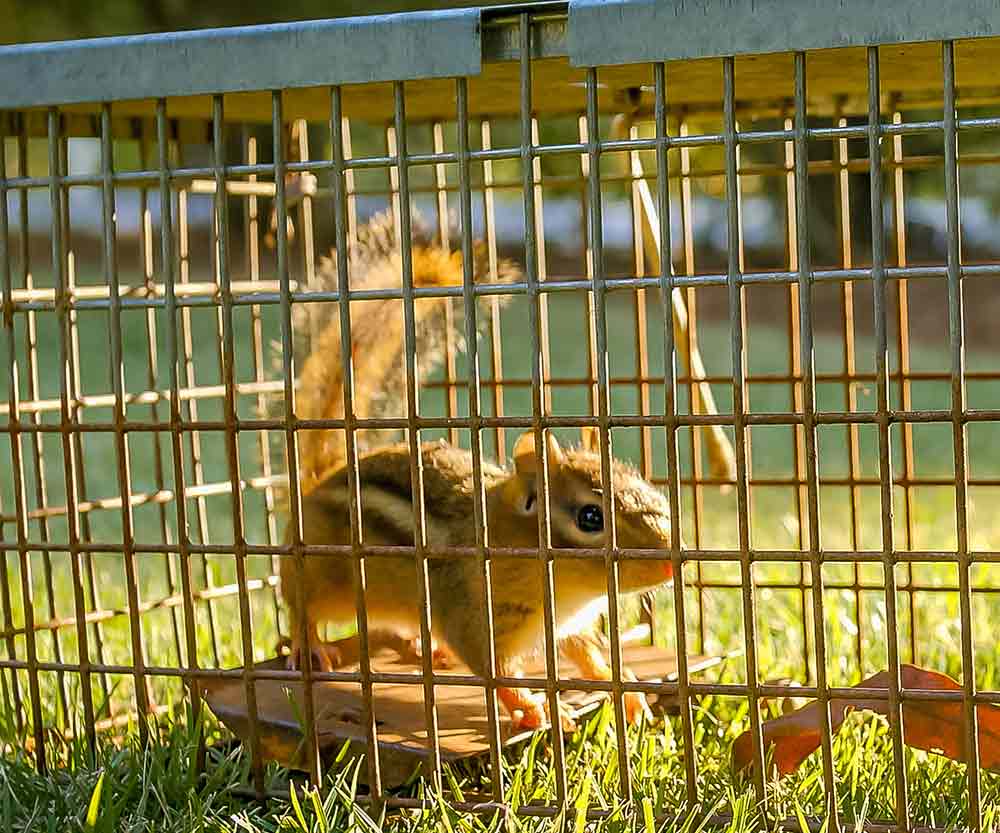
Squirrels create quick, skittering sounds and rapid scratching during daylight, especially at dawn and late afternoon. They commonly chew through fascia, soffits, or ridge vents to enter, then tunnel through insulation.
Typical attic signs include gnawed wiring, scattered acorn shells, shredded nesting material, and palm-sized chew-outs along the roof edge. Unless the access point is expertly sealed after eviction, squirrels will return to the same entry.
Bats Roosting Overhead
Bats can slip through gaps as small as a dime around ridge vents, chimney flashing, and attic louvers. Indicators include faint chittering near dusk, a dark “grease” stain below an entry gap, and pepper-like guano pellets beneath a roost line.
Bat eviction must be timed outside maternity season and requires one-way devices—not trapping. Never seal a suspected bat entrance without professional guidance, as bats may be roosting inside or caring for non-volant young.
Opossums in Overhead Spaces
When opossums reach the attic, expect heavier nighttime movement and occasional hissing. They exploit loose soffits or damaged eaves to den in quiet corners, leaving scattered droppings and a strong, musky odor.
Nesting Birds in Attics
Birds sometimes nest behind gable vents, in soffit gaps, or inside attic ventilation pathways. Repeated chirping from overhead, twigs or grasses pushed through vent screens, feathers, and guano buildup indicate activity. Because nests and eggs may be protected, obtain a professional evaluation before disturbing them.
Snakes Accessing Attic Voids
Snakes rarely choose attics unless following prey like mice or rats via wall voids or gaps around utility penetrations. Signs include shed skins near attic access points and serpentine tracks in dusty insulation. Reducing rodent activity and sealing utility and soffit gaps help prevent attic encounters.
Best Time to Book an Attic Inspection
Book an attic-focused wildlife inspection as soon as you hear unexplained overhead noises, see new roofline gaps, or notice droppings or odors near the attic access. Early action limits structural damage and health risks.
Contact Global Pest Management if you notice:
- Persistent noises in an attic, wall, ceiling, chimney, crawl space, or garage
- Droppings, urine stains, nesting debris, or a strong odor
- Damage to insulation, wiring, ducts, vents, soffits, siding, or roofline materials
- A raccoon, squirrel, bat, bird, opossum, or other animal entering or leaving the structure
- Wildlife trapped inside a living area, garage, vent, chimney, or crawl space
- Repeated garbage disturbance, digging, or wildlife sightings
- Suspected animal activity near children, pets, food-storage areas, or commercial operations
- Evidence that an animal may be raising young in the structure
Global Pest Management provides free inspections and can determine the species involved, where it entered, and what service is needed to safely resolve the problem.
Immediate Do’s and Don’ts Before Help Arrives
Attic wildlife can damage wiring and contaminate insulation. Avoid entering tight attic spaces, touching droppings or nests, or sealing gaps until a professional confirms the area is clear.
Until a professional arrives:
- Keep children and pets away from the affected area.
- Do not handle an animal, attempt to trap it, or use poison.
- Avoid blocking an entry point until a technician confirms the animal has exited.
- Do not sweep or vacuum droppings without appropriate protective measures.
- Secure garbage, pet food, birdseed, compost, and other outdoor food sources.
- Take photos of exterior damage, visible tracks, droppings, or nesting material from a safe distance.
- Note when noises occur, where they occur, and whether activity is daytime or nighttime.
- If wiring damage is suspected, contact a licensed electrician for an evaluation.
Georgia property owners should also be mindful that nuisance-wildlife removal may be regulated. Local government guidance advises using a licensed trapper or contacting the Georgia Department of Natural Resources for nuisance wildlife concerns, while screening chimneys and attic vents can reduce the chance of wildlife entering the home.
Why Homeowners Choose Our Attic Wildlife Team
Global Pest Management specializes in identifying and resolving wildlife activity in attics across North Georgia. We pinpoint species, trace attic entry paths like soffit gaps and ridge vents, and implement humane eviction, thorough cleanup, and long-term seal-and-proof strategies.
If you hear scratching overhead, notice guano deposits, or smell a persistent attic odor, act now. Contact Global Pest Management today to schedule a free wildlife inspection and get a clear plan to protect your home’s insulation, air quality, and wiring.