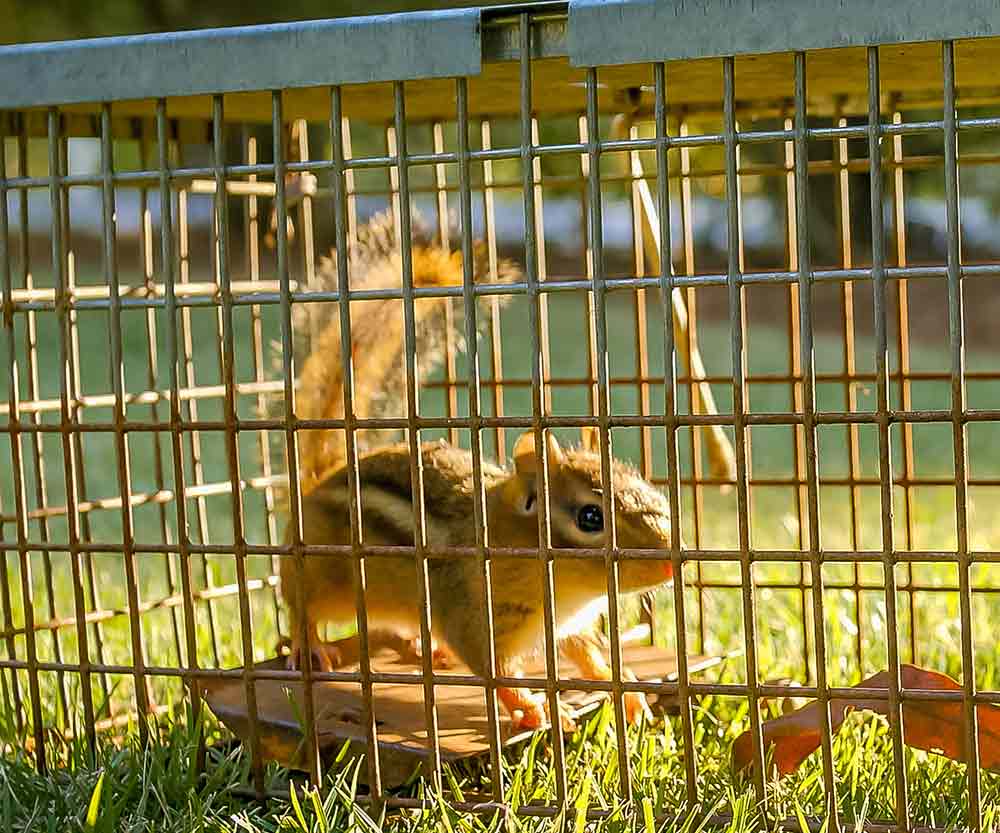
Wildlife InspectionFor North Georgia
Hearing scratching overhead, spotting pellet-like droppings, or seeing gaps along your roofline? Learn what these signs mean and book a no-cost wildlife inspection with Global Pest Management.
Wildlife Inspectionon Your Property
When wild animals slip into attics, crawl spaces, garages, chimneys, wall voids, sheds, or beneath decks, small openings can turn into big repairs. Many owners never see the animal itself. Instead, they notice scratching at dusk, scattered droppings, shredded insulation, damaged vents, or a musky odor that won’t go away.
Global Pest Management serves homeowners and businesses across North Georgia with thorough wildlife inspections designed to pinpoint what’s active, where it’s entering, and what it’s damaging. Our initial assessment documents species indicators, maps entry points, evaluates risk areas, and outlines clear next steps for removal, exclusion, and prevention. During the inspection, Global Pest Management technicians look for droppings and urine staining, nesting materials, rub trails, chew marks, frayed wiring, disturbed insulation, moisture issues, and any direct sightings or fresh tracks.
If you suspect wildlife activity, don’t wait. An early inspection limits structural damage, reduces health risks, and helps prevent animals from nesting, having young, or reusing the same access route.
Common Signs ofWildlife Activity
Evidence of wildlife varies by species, season, and building design. Raccoons, squirrels, bats, opossums, birds, snakes, and other animals each leave distinct clues that reveal where they travel and how they get inside.
Inspection Noise Clues and What They Mean
Unusual sounds often trigger the need for an inspection. You might notice:
- Light scratching or rapid scurrying within walls, ceilings, or attic bays
- Heavier thumps or shuffling above ceilings or on the roof deck
- Soft rustling in insulation, crawl spaces, or storage areas
- Chirps, squeaks, fluttering, or tapping around vents and along the roofline
- Repetitive movement from a chimney, garage, shed, or below a deck
Timing helps our inspectors narrow suspects. Daytime attic noise can align with diurnal species like gray squirrels, while nocturnal activity often points to bats or flying squirrels. Chimney commotion may indicate birds, squirrels, or raccoons. Because sound patterns overlap, a professional inspection prevents misidentification and avoids unnecessary work.
However, sound alone is not enough to identify an animal. A professional inspection can help determine what is active and avoid unnecessary repairs or removal attempts.
Identifying Droppings, Urine, and Odor Trails
Droppings are among the most reliable indicators during a wildlife inspection, especially in attics, crawl spaces, garages, sheds, storage rooms, under decks, and near exterior gaps. Urine staining, strong musk or ammonia-like odors, and saturated insulation suggest prolonged use of the space.
Look for:
- Droppings aligned along rafters, wall ledges, insulation paths, or around stored items
- Dark moisture stains on wood, drywall, or insulation
- A musky, ammonia-like, or sour odor near warm or enclosed areas
- Accumulations beneath attic access points, roof gaps, or vent openings
- Increasing odor intensity, which may indicate a dead animal within hidden voids
Fresh droppings are typically dark, glossy, and moist; older droppings dry, fade, and crumble. Size, shape, and placement inform identification, but final confirmation should come from a trained inspector using proper equipment.
Avoid sweeping, vacuuming, or handling unknown droppings without proper safety precautions. Disturbing contaminated materials can create sanitation concerns. Contact Global Pest Management for an inspection and guidance on removal, cleanup, and prevention.
Exterior Vulnerabilities: Soffits, Vents, Rooflines, and Ridge Vents
Most wildlife enters through small, overlooked openings. Raccoons can tear weak soffits or vent screens, squirrels enlarge gaps by gnawing trim and fascia, and bats slip through narrow cracks around roof intersections and utility penetrations.
Inspect the exterior of your property for:
- Bent, torn, missing, or loose vent covers
- Holes in soffits, fascia, siding, or roof edges
- Damaged chimney caps or open chimney flues
- Loose shingles, trim, flashing, or flashing gaps
- Chewed wood around eaves, attic vents, or rooflines
- Torn screens over crawl space or attic vents
- Openings around pipes, cable lines, electrical lines, and HVAC components
- Rub marks, claw marks, fur, feathers, or nesting debris near an opening
Visible entry damage should be evaluated promptly, but avoid sealing openings before an inspection confirms the space is clear. Trapping animals inside can cause additional destruction, persistent odors, and separation of young from a parent.
Signsby Location
Location-specific clues guide an effective wildlife inspection. Global Pest Management’s process traces travel routes, pinpoints entry points, and identifies where animals are nesting or causing damage.
Service Areas We Inspect |
Homeowner Guide: Signs of Activity to Note |
Match Signs to Likely Species |
|
Attic |
Scurrying, thumps, trampled or matted insulation, droppings, nesting, chewed wires, urine staining |
Raccoons, squirrels, bats, birds, rodents |
|
Crawl space |
Droppings, insulation pulled down, odor, disturbed vapor barrier, tunnel-like runways |
Opossums, raccoons, skunks, rodents, snakes |
|
Chimney |
Chirps, fluttering, scratching, sticks or nesting debris, blocked or slow-drafting flue |
Birds, squirrels, raccoons, bats |
|
Garage or shed |
Droppings, torn bags, nest materials, gnawed storage, musky odor |
Rodents, squirrels, raccoons, opossums, snakes |
|
Roofline or vents |
Gaps, gnawed trim, loose or missing screens, repeated entry/exit sightings |
Squirrels, bats, birds, raccoons |
|
Under a deck or porch |
Digging, disturbed soil, nocturnal activity, odor, visible den entrance |
Opossums, skunks, raccoons, other small wildlife |
|
Yard or garden |
Tracks, toppled trash, plant damage, soil mounds, scattered seed |
Raccoons, opossums, skunks, squirrels, moles, voles |
A professional wildlife inspection is vital for hard-to-reach spaces like attics, rooflines, chimneys, walls, and crawl areas. Accurate identification supports the right next steps—such as exclusion, a one-way device, targeted removal, or repairs—while documenting findings for a clear inspection report and follow-up plan.
Animal-SpecificClues
During a professional wildlife inspection, species leave distinct clues that help us track movement and pinpoint entry points. Treat these indicators as evidence to document—accurate identification and risk assessment should always be confirmed by a trained inspector.
Raccoon Indicators and Access Routes
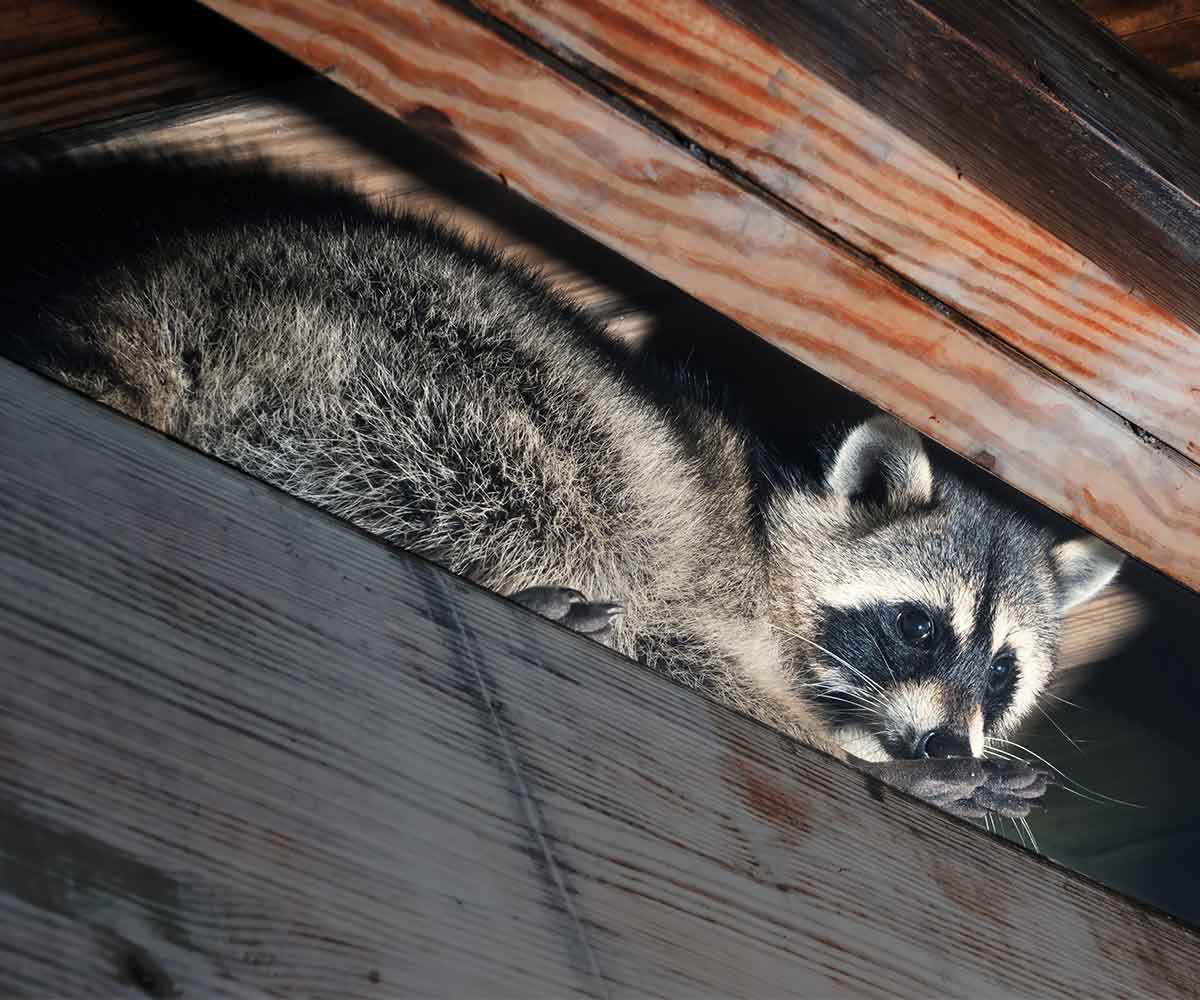
Inspectors look for heavy roof-line damage, displaced shingles, torn soffits, and disturbed insulation where raccoons force entry. In attics, we note large droppings, greasy rub marks along framing, and loud nocturnal movement such as thumps or dragging. Outside, scattered trash and paw prints near downspouts or low roofs can reveal access routes.
Our inspection maps travel paths from chimneys, roof returns, and crawl space openings, and assesses whether young may be present. Because raccoons are powerful and may widen gaps, Global Pest documents all breaches and recommends safe, compliant next steps after the inspection.
Squirrel Entry Points and Chew Marks
Daytime activity is a key inspection cue for squirrels. We listen for quick scurrying in the morning, examine fascia and ridge vents for gnawing, and trace small chew-outs at roof edges or trim to find an active entry point. In attics, we check for gnawed wiring, acorn caches, and tunneling through insulation.
Our report notes repeat-use openings and secondary gaps squirrels may test. We photograph chew marks, daylight visible through roofline seams, and tracks around gutters, then outline remediation priorities based on severity and safety.
Bat Entry Signs and Attic Assessment
Wildlife inspections for bats focus on small gaps at ridge caps, louvered vents, chimneys, and utility penetrations. We look for dusk or pre-dawn fly-outs, dark staining or guano beneath a slit-like opening, and fine rub marks where bats enter.
Because timing and species rules apply, our inspectors document suspected roosts, confirm activity with visual checks or cameras, and advise on legally appropriate next steps without sealing active entry points prematurely.
Opossum Activity Patterns
Opossum inspections concentrate on ground-level harborage: deck voids, crawl space accesses, shed gaps, and brush piles. Signs include nocturnal tracks, disturbed pet food, a distinct musky odor, and a visible burrow or opening.
Bird Nesting Signs in Vents and Eaves
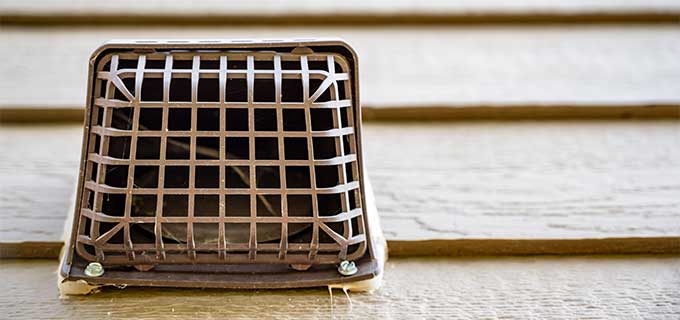
We frequently find bird nesting in dryer and bathroom vents, soffits, signage, and eaves. Indicators include persistent chirping, twigs and grasses protruding from a vent hood, reduced airflow, and droppings below a ledge. Because some birds and nests are protected, inspectors verify activity status and outline compliant options.
Snake Entry Pathways and Tracking
Inspection for snakes centers on areas with prey and cover—garages, crawl spaces, woodpiles, and dense vegetation. Evidence may include shed skins, winding tracks in dust, or direct sightings near foundation gaps. Our team identifies conducive conditions, documents entry opportunities, and notes rodent sign that can draw snakes closer to structures.
Best Times to Book a Wildlife Inspection
Book a wildlife inspection as soon as you notice unusual noises, fresh structural gaps, or repeated animal activity around your property. Early assessment helps limit damage and ensures any next steps are safe and compliant.
Contact Global Pest Management if you notice:
- Persistent noises in an attic, wall, ceiling, chimney, crawl space, or garage
- Droppings, urine stains, nesting debris, or a strong odor
- Damage to insulation, wiring, ducts, vents, soffits, siding, or roofline materials
- A raccoon, squirrel, bat, bird, opossum, or other animal entering or leaving the structure
- Wildlife trapped inside a living area, garage, vent, chimney, or crawl space
- Repeated garbage disturbance, digging, or wildlife sightings
- Suspected animal activity near children, pets, food-storage areas, or commercial operations
- Evidence that an animal may be raising young in the structure
Global Pest Management provides free inspections and delivers a clear assessment of species, entry points, and the most appropriate course of action to resolve the issue safely.
Prep Checklist Before the Inspector Arrives
For your safety and to preserve inspection evidence, avoid contact with animals, droppings, or nests. Disturbing materials can aerosolize contaminants and alter signs we rely on to locate active entry points.
Until a professional arrives:
- Keep children and pets away from the affected area.
- Do not handle an animal, attempt to trap it, or use poison.
- Avoid blocking an entry point until a technician confirms the animal has exited.
- Do not sweep or vacuum droppings without appropriate protective measures.
- Secure garbage, pet food, birdseed, compost, and other outdoor food sources.
- Take photos of exterior damage, visible tracks, droppings, or nesting material from a safe distance.
- Note when noises occur, where they occur, and whether activity is daytime or nighttime.
- If wiring damage is suspected, contact a licensed electrician for an evaluation.
Georgia property owners should also be mindful that nuisance-wildlife removal may be regulated. Local government guidance advises using a licensed trapper or contacting the Georgia Department of Natural Resources for nuisance wildlife concerns, while screening chimneys and attic vents can reduce the chance of wildlife entering the home.
Why Choose Global Pest Management for Wildlife Assessments
Global Pest Management specializes in thorough wildlife inspections for North Georgia homes and businesses. Our process includes a roof-to-foundation review, attic and crawl space assessments, and documentation of entry points, tracks, droppings, rub marks, and odors—so you know exactly what is happening and where.
Don’t wait on scratching sounds or unexplained odors. Contact Global Pest Management today to schedule a free wildlife inspection. We’ll provide a detailed report of findings and clear next-step recommendations to protect your property.