WildlifePrevention
Want to stop animals from ever getting inside? Learn practical wildlife prevention steps and book a free prevention-focused inspection with Global Pest Management.
ProfessionalWildlife Prevention
Wildlife pressure builds when food, water, and shelter are easy to access. Attics, crawl spaces, garages, chimneys, wall voids, sheds, and the void beneath decks all provide cover if they aren’t maintained with prevention in mind. Homeowners often first notice the conditions that attract animals—overflowing trash, unsecured pet food, open vents, heavy vegetation against the home, or moisture issues—long before they see an animal.
Global Pest Management helps North Georgia homeowners and businesses reduce wildlife risk with an emphasis on prevention. Our process starts with a detailed inspection to pinpoint attractants, find developing entry points, evaluate drainage and sanitation, and outline a step-by-step plan for habitat modification, sealing work readiness, and routine maintenance. During inspections we assess food-source access, gaps at rooflines and vents, vegetation contact with structures, moisture accumulation, and any patterns that could lead to repeat visits.
If you suspect your property is becoming attractive to wildlife, act now. Early prevention limits nesting attempts, discourages repeat activity, and protects your home before animals settle in.
Common Signs ofWildlife Activity
Effective wildlife prevention focuses on removing what draws animals near the structure and closing down easy travel routes. Different species respond to different opportunities, so the goal is to reduce food, water, and shelter in a balanced way throughout the year.
Sanitation and Food Source Management
Good sanitation makes your property less interesting to wildlife. Put these practices in place:
- Use tight-fitting, latching trash can lids and rinse containers if possible
- Store bird seed, pet food, and livestock feed in sealed, chew-resistant containers
- Feed pets indoors; if feeding outside, pick up bowls and spills promptly
- Compost in enclosed bins and avoid meat, oils, and dairy
- Clean grill grease trays and fall fruit under trees to reduce nighttime foraging
Timing matters. Many animals are crepuscular or nocturnal, so eliminating overnight attractants—like unsecured trash and pet food—dramatically lowers activity. The University of Georgia Cooperative Extension emphasizes that consistent sanitation is a core element of long-term prevention.
While sanitation goes a long way, it works best alongside inspection and structural improvements so you’re not relying on cleanup alone.
Yard and Tree Trimming Best Practices
Trim and manage vegetation to reduce travel paths and concealment. Focus on:
- Keeping tree limbs at least 6–8 feet from rooflines to deter roof access
- Thinning dense shrubs near foundations and windows to remove cover
- Elevating wood piles and storing them at least 20 feet from the structure
- Removing heavy groundcover where small animals can tunnel and hide
- Securing garden beds with fencing and promptly harvesting produce
Vegetation management is not a one-time task. A scheduled trim cycle, combined with seasonal checks, prevents limbs from creeping back into contact with the roof and vents.
Water Control and Drainage Improvements
Standing water and chronic moisture attract wildlife and the prey they feed on. Improve drainage by:
- Clearing gutters and downspouts so water moves away from the foundation
- Extending downspouts and grading soil to prevent pooling near the home
- Repairing leaky hoses, spigots, and irrigation lines
- Refreshing birdbaths frequently and dumping water-collecting items after rain
- Using gravel borders around foundations to discourage burrowing and improve runoff
Proactive moisture control complements exclusion readiness and makes your property far less appealing to animals looking for reliable water.
Preventionby Location
Prevention works best with a consistent routine. Global Pest Management’s prevention inspection highlights what to check and when, so you can stay ahead of problems.
Home Perimeter Focus Areas |
Routine Inspection Checklist |
Proactive Wildlife Prevention Steps |
|
Attic |
Gaps at roof decking, light leaks, unprotected vents, loose insulation, moisture |
Install vent screening, verify chimney cap, insulate/seal utility penetrations, maintain 6–8 ft limb clearance |
|
Crawl space |
Open lattice, torn vent screens, damp soil, standing water, easy den sites |
Repair screens, add lattice backing/hardware cloth, improve vapor barrier and drainage, secure access doors |
|
Chimney |
Missing or damaged cap, crevasse gaps, debris accumulation |
Install/repair chimney cap, add spark arrestor screening, trim overhanging limbs |
|
Garage or shed |
Unsealed gaps at doors, stored food or seed, clutter providing cover |
Install door sweeps, weatherstrip, store attractants in sealed containers, declutter to remove harborage |
|
Roofline or vents |
Loose screens, missing fascia trim, utility gaps, limb contact |
Secure metal vent covers, seal utility penetrations, repair fascia, maintain vegetation clearance |
|
Under a deck or porch |
Open voids, easy digging, debris piles offering shelter |
Install buried hardware cloth skirt (L-shaped), remove debris, maintain gravel apron to deter burrowing |
|
Yard or garden |
Fallen fruit, unsecured trash, bird seed on ground, dense cover near beds |
Use latching trash cans, elevate and baffle feeders, promptly harvest, thin vegetation, add perimeter fencing as needed |
Seasonal tasks keep prevention on track: in spring, service screens and trim growth; in summer, monitor irrigation and shade cover; in fall, clean gutters and secure trash before denning season; in winter, confirm vent integrity and attic insulation gaps. For pet and small livestock areas, feed on a schedule, remove leftovers nightly, and store feed in metal containers. Global Pest Management can help you set an annual maintenance schedule and coordinate follow-up inspections. For structural sealing and one-way devices, see our Wildlife Exclusion page, and if you’re unsure what’s drawing animals, our Wildlife Inspection service can pinpoint attractants.
Animal-SpecificClues
Different wildlife species are attracted by different conditions. Treat the signs below as risk indicators to guide prevention—not as a replacement for a professional inspection.
—
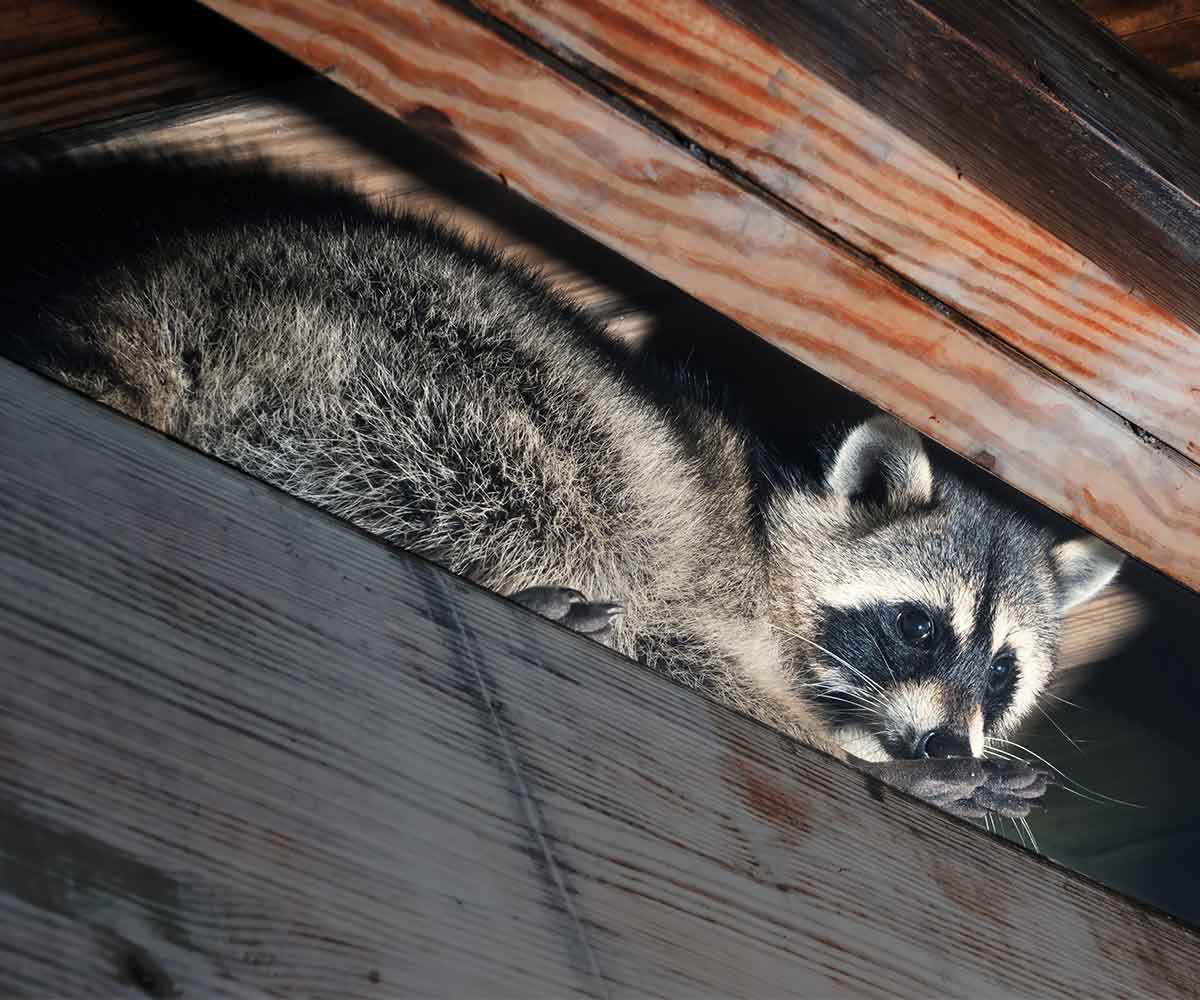
To prevent raccoons, focus on eliminating food access and weak entry points. Use tight-fitting, animal-resistant lids on trash carts, bring bins to the curb the morning of pickup, and rinse recyclables. Inspect rooflines and eaves for gaps bigger than a golf ball, and reinforce soffits, attic vents, and chimney caps with heavy-gauge screening.
Prune overhanging limbs six to eight feet away from the roof to cut off climbing routes, and remove outdoor pet feeding at night. If a den site is suspected under a deck, install dig-proof barriers that extend at least 12 inches below grade.
—
Prevention starts with trimming tree branches back from the roof and eliminating launching points such as trellises and utility lines (use approved line guards where permitted). Replace lightweight vent screens with metal hardware cloth and seal gaps along fascia and roof edges with chew-resistant materials.
Keep bird feeders away from structures, use catch trays to limit seed spillage, and clear seed hulls daily. Conduct a roofline walk-around each season to spot small gaps before they become access points.
—
Effective bat prevention relies on meticulous sealing after confirming no animals are inside. Install professional-grade vent covers, repair mortar and siding gaps as small as a dime, and maintain tight chimney caps. Observe exterior areas at dusk to identify potential flight paths for later sealing.
Time any exclusion-related sealing outside maternity seasons and consult a specialist for species-appropriate methods. Keep attic doors and gable vents in good repair to reduce accidental roosting.
—
Discourage opossums by removing ground-level shelter and food. Elevate and secure compost, store pet food indoors, and pick ripe or fallen fruit quickly. Use lattice with buried hardware cloth to close off voids beneath porches, sheds, and decks, and keep brush, lumber, and stored items off the ground.
—
Prevent nesting by installing code-compliant dryer vent covers, screening attic and soffit openings with corrosion-resistant mesh, and capping chimneys. Relocate feeders and baths at least 20 feet from the home and clean the area regularly to limit droppings and seed accumulation that can attract other wildlife.
—
Snake prevention focuses on removing cover and controlling prey. Keep grass short, trim dense groundcover away from foundations, and elevate firewood at least 18 inches off the ground. Repair gaps at garage and crawl space doors, install door sweeps, and reduce rodent activity by storing seed and feed in sealed containers.
Timing Your Preventive Inspection
Book a proactive wildlife prevention inspection when you notice conditions that could lead to an intrusion—such as unsecured trash, thick vegetation against the house, standing water, or gaps around vents and rooflines.
Contact Global Pest Management if you notice:
- Tree limbs or vines touching the roof, or easy climbing routes to upper floors
- Food sources left outdoors: open trash, pet bowls, birdseed spills, compost access
- Water accumulation near foundations, clogged gutters, or poor drainage
- Gaps in soffits, vents, siding, fascia, chimney caps, or crawl space doors
- Nesting materials appearing in vents, eaves, or light wells
- Trails, burrows, or trampled paths along fences and foundations
- Pet or livestock feed stored in unsealed containers or accessible outbuildings
- Recurring seasonal activity patterns around your yard or roofline
Global Pest Management provides free inspections and will assess risk factors, identify attractants, and recommend a customized prevention plan to keep wildlife from settling on your property.

Pre-Visit Preparation for Exclusion Services
Focus on safe, reversible prevention steps. Avoid sealing any suspected entry while animals may be inside, and do not use poisons that can create secondary hazards or drive wildlife deeper into the structure.
Until a professional arrives:
- Keep children and pets away from likely entry points and stored feed.
- Do not handle wildlife, nests, or droppings; avoid makeshift traps or repellents.
- Hold off on permanent sealing until a technician verifies the structure is clear.
- Do not sweep or vacuum droppings without proper protective equipment and procedures.
- Secure trash, pet food, birdseed, and compost in tight, animal-resistant containers.
- Document potential attractants and weak points with photos to guide prevention work.
- Note when and where you observe wildlife movement to inform timing of exclusion.
- If you suspect chewed wiring or compromised equipment, contact a licensed electrician.
Georgia property owners should also be mindful that nuisance-wildlife work is regulated. Local guidance recommends using a licensed professional or contacting the Georgia Department of Natural Resources for guidance, and adding chimney caps and screened attic vents can significantly reduce the chance of future intrusions.
Why Choose Global Pest Management for Prevention
Global Pest Management specializes in prevention-focused wildlife programs for North Georgia homes and businesses. We evaluate sanitation, landscape conditions, drainage, and structural gaps, then design a maintenance schedule that prioritizes habitat modification and long-term exclusion readiness.
Don’t wait for an infestation to start. Contact Global Pest Management today to schedule a free wildlife prevention inspection and receive a seasonal checklist and plan to keep animals from targeting your property.