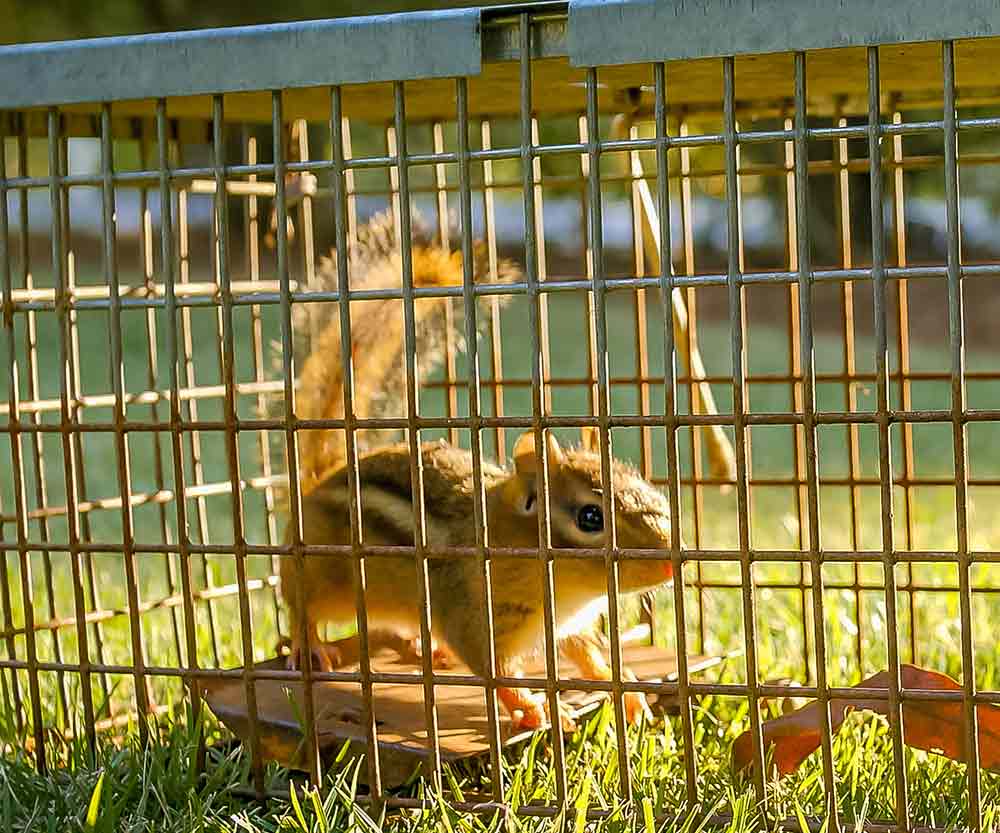
WildlifeRemoval For North Georgia
Hearing scratching overhead, noticing musty odors, or spotting chewed openings? Recognize the signs of nuisance animals and book a no-cost wildlife removal inspection with Global Pest Management.
Wildlife Removalon Your Property
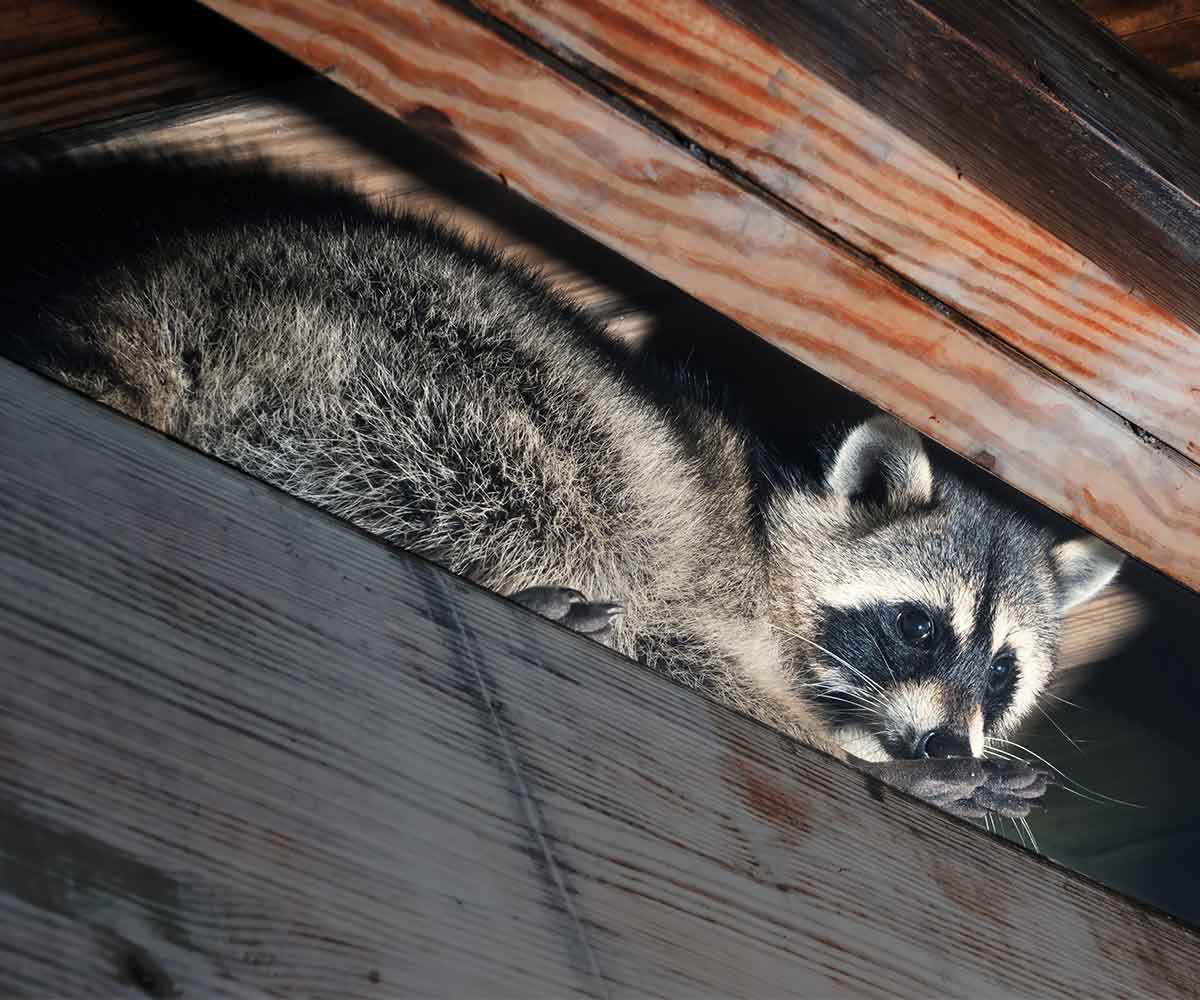
When wild animals slip into attics, crawl spaces, garages, chimneys, wall voids, sheds, or under decks, they can quickly create health and safety concerns. Many property owners never see the intruder at first — they discover telltale noises, droppings, torn insulation, or fresh openings along the exterior that signal an animal has moved in.
Global Pest Management helps homeowners and businesses across North Georgia resolve wildlife conflicts legally and humanely. Our wildlife removal service starts with a comprehensive inspection to identify the species, locate all entry and travel points, document hazards, and outline a compliant plan for removal followed by exclusion and prevention. During the assessment, Global Pest Management technicians check for species-specific evidence such as latrine sites or guano, nesting materials, bite marks, soiled insulation, track patterns, active routes, and direct sightings, while also noting areas where a one-way door, targeted trapping, or eviction protocols are appropriate.
If you think wildlife is present, do not wait. A prompt inspection helps us time removal around legal and seasonal restrictions, prevent animals from establishing dens or rearing young, and reduce the likelihood of repeated re-entry.
Common Signs ofWildlife Activity
Wildlife removal is not one-size-fits-all. Behavior changes by species, season, and even local laws. Nuisance raccoons, squirrels, bats, opossums, birds, and snakes leave different clues that guide humane capture or eviction from structures.
Unusual Scratches or Thumps Indoors
Sound patterns can help target a safe removal approach. You may hear:
- Light scratching or quick scurrying within walls, ceilings, or attic bays
- Heavy thumps or dragging sounds above living areas
- Rustling in insulation, crawl spaces, or behind stored items
- Chirps, squeaks, wing flutter, or tapping around vents and rooflines
- Persistent movement from a chimney, garage, shed, or beneath a deck
Activity timing offers context for planning. Daytime attic sounds can indicate diurnal species like gray squirrels, while nocturnal noise is often associated with bats or flying squirrels. Chimney commotion may involve birds or raccoons, which influences whether we install a one-way door, deploy a species-appropriate live trap, or schedule an alternative extraction method.
Because sound alone can mislead, a professional inspection ensures the right, legal technique is chosen and prevents risky DIY attempts.
Feces, Urine, and Persistent Musk Smells
Feces and urine patterns help confirm active occupancy and inform safe cleanup after removal. Strong odors, stained insulation, or accumulations beneath roof gaps and vents suggest long-term use.
Look for:
- Droppings along framing, rafters, insulation, or stored boxes
- Dark stains on ceilings, wood, or insulation indicating urine seepage
- Distinct musky or ammonia-like odors
- Piles of waste below entry points or along habitual travel routes
- Intensifying odor that can signal a deceased animal in a concealed space
Size, texture, and location can hint at the species, but only a trained professional should confirm and proceed with compliant extraction. Avoid sweeping or vacuuming droppings without proper respiratory protection and sanitation protocols.
Global Pest Management provides inspection, humane removal, and guidance on safe cleanup and post-removal verification to restore healthy conditions.
Chewed Vents, Soffits, and Roof Gaps
Most wildlife gains entry through vulnerable structural gaps. Raccoons can pry weak soffits, squirrels enlarge small openings by gnawing, and bats exploit narrow crevices near rooflines, vents, chimneys, and utility penetrations. These findings guide the use of one-way doors or targeted live-trap placement and determine what must be sealed after animals are cleared.
Inspect the exterior of your property for:
- Bent, torn, missing, or loose vent covers
- Holes in soffits, fascia, siding, or roof edges
- Damaged chimney caps or open chimney flues
- Loose shingles, trim, flashing, or flashing gaps
- Chewed wood around eaves, attic vents, or rooflines
- Torn screens over crawl space or attic vents
- Openings around pipes, cable lines, electrical lines, and HVAC components
- Rub marks, claw marks, fur, feathers, or nesting debris near an opening
Never seal an opening if animals may be inside. Our team times eviction or trapping to avoid young being orphaned, uses one-way devices when appropriate, and only finalizes exclusion after confirming all wildlife has exited.
Signsby Location
Where evidence appears helps determine the safest, lawful removal method. Global Pest Management’s inspection maps access routes, identifies den or roost sites, and informs whether to use a one-way door, humane trapping, timed eviction, or another compliant procedure.
Service Area and Response Times |
Key Indicators of Nuisance Wildlife |
Humane Removal Methods We Use |
|
Attic |
Scratching, thumping, torn insulation, droppings, nests, chewed wires, odors |
Species ID; one-way door for eligible species; humane live traps with set-check intervals; coordinate timing to avoid juvenile dependency |
|
Crawl space |
Droppings, insulation damage, odor, disturbed vapor barrier, animal pathways |
Targeted cage trapping or guided eviction; safety controls for confined spaces; confirm complete exit before sealing |
|
Chimney |
Chirping, fluttering, scratching, nesting debris, blocked flue |
Non-destructive extraction tools; species-specific eviction; compliance with seasonal protections; cap installation after verification |
|
Garage or shed |
Droppings, torn bags, nests, chewed belongings, musky odors |
Live trapping with non-target avoidance; secure attractants; confirm no dependent young before closure |
|
Roofline or vents |
Gaps, chewed trim, loose screens, repeated entry and exit |
One-way doors on primary exits; timed monitoring; permanent exclusion only after proof of removal |
|
Under a deck or porch |
Digging, disturbed soil, nocturnal movement, odors, visible den opening |
Den eviction using one-way doors where legal; humane trapping if required; trench-and-screen exclusion after clearance |
|
Yard or garden |
Tracks, overturned trash, damaged plants, mounds, scattered birdseed |
Attractant management; selective trapping where permitted; confirm species before any action to maintain legal compliance |
Professional evaluation is essential for areas like walls, attics, rooflines, chimneys, and crawl spaces. Accurate identification ensures we follow humane protocols, adhere to legal and seasonal restrictions, and verify that all animals are removed before exclusion is finalized. For prevention and long-term sealing strategies, we may recommend a follow-up Wildlife Exclusion or Wildlife Prevention service.
Animal-SpecificClues
Before any removal begins, understanding species behavior is essential. Activity patterns help guide humane strategies, but these clues should always be confirmed by a trained technician to avoid mistakes and to protect non-target wildlife.
Raccoon Eviction and Pup-Safe Protocols
Raccoons are powerful climbers that often pry open weak rooflines to den. Indicators that warrant removal include heavy night footfalls above ceilings, banging or dragging sounds, bent soffit metal, pried vents, scattered trash, and latrine sites with larger droppings.
Because raccoons may have dependent young in spring, removal must follow seasonal rules. Global Pest uses humane options such as one-way doors, targeted live-trapping when required by law, and relocation or on-site release consistent with regulations, followed by secure exclusion.
Squirrel One‑Way Doors and Attic Extraction
Daytime commotion—rapid scurrying, scratching, or rolling of nuts—often signals squirrels. They typically chew through fascia, soffits, and roof edges to access attics.
Humane removal focuses on eviction devices and timed one-way doors, with traps deployed only when appropriate. After extraction, our team seals re-entry points with chew-resistant materials so squirrels cannot reestablish the route they created.
Bat Exclusion with Seasonal Compliance
Bats slip through gaps as small as a half-inch along vents, chimneys, rooflines, siding laps, and utility penetrations. Look for dusk or dawn flights, faint chatter, dark rub marks beneath an opening, and guano beneath a roost.
Bat removal is achieved by properly timed exclusion—never trapping—using species-appropriate one-way devices outside maternity season. Global Pest verifies all bats have exited before sealing every secondary gap to remain compliant with state and federal protections.
Opossum Live Trapping and Release
Opossums favor crawl spaces, decks, sheds, and brushy edges. Signs include nighttime movement, rifled pet food, tipped bins, and a visible burrow or den opening.
Removal often involves live-capture with species-appropriate baits and careful release procedures per local law, or guided eviction from substructures, followed by screening and structural reinforcement to prevent reentry.
Bird Deterrence and Legal Nest Management
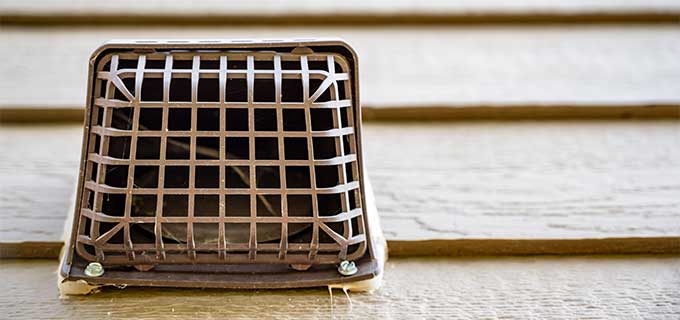
Birds regularly occupy dryer vents, chimneys, soffits, signage, and canopy gaps. Persistent chirping, nesting debris, feathers, droppings, and weak dryer airflow suggest an active nest.
Because many birds and nests are protected, Global Pest conducts lawful, timing-sensitive removal. We use specialized vent covers and deterrents after verifying compliance and that dependent young are not present.
Safe Snake Capture and Relocation
Snakes frequent cool, sheltered zones near garages, crawl spaces, gardens, woodpiles, dense vegetation, and areas with high rodent activity. Shed skins and sinuous tracks in dust or loose soil are common signs.
Our approach emphasizes safe identification, gentle extraction tools, and relocation where permitted, along with habitat modifications and rodent reduction to discourage return visits.
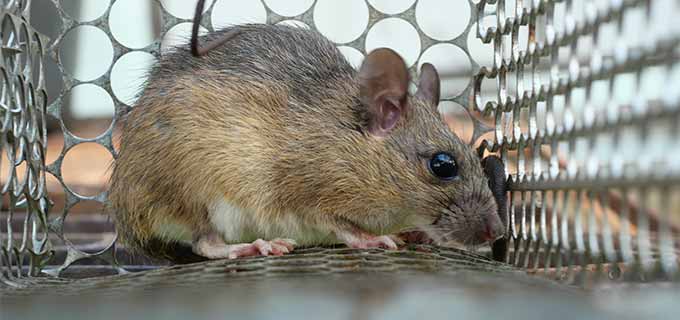
When Urgent or Emergency Removal Is Needed
Arrange a removal assessment as soon as you suspect wildlife activity. Early intervention allows humane eviction or trapping within legal windows and limits property risks.
Contact Global Pest Management if you notice:
- Persistent noises in an attic, wall, ceiling, chimney, crawl space, or garage
- Droppings, urine stains, nesting debris, or a strong odor
- Damage to insulation, wiring, ducts, vents, soffits, siding, or roofline materials
- A raccoon, squirrel, bat, bird, opossum, or other animal entering or leaving the structure
- Wildlife trapped inside a living area, garage, vent, chimney, or crawl space
- Repeated garbage disturbance, digging, or wildlife sightings
- Suspected animal activity near children, pets, food-storage areas, or commercial operations
- Evidence that an animal may be raising young in the structure
Global Pest Management provides free inspections and will verify the species, confirm entry and exit routes, and recommend a humane, compliant removal plan tailored to your property.
How to Prepare Your Home for Safe Removal
Keep a safe distance from wildlife and avoid handling droppings or nest material. Uninformed attempts can trap animals inside, separate mothers from young, or violate seasonal protections.
Until a professional arrives:
- Keep children and pets away from the affected area.
- Do not handle an animal, attempt to trap it, or use poison.
- Avoid blocking an entry point until a technician confirms the animal has exited.
- Do not sweep or vacuum droppings without appropriate protective measures.
- Secure garbage, pet food, birdseed, compost, and other outdoor food sources.
- Take photos of exterior damage, visible tracks, droppings, or nesting material from a safe distance.
- Note when noises occur, where they occur, and whether activity is daytime or nighttime.
- If wiring damage is suspected, contact a licensed electrician for an evaluation.
Georgia residents should also be aware that nuisance-wildlife removal is regulated. Use a licensed professional or consult the Georgia Department of Natural Resources for guidance on permits, restricted seasons, and approved methods. Screening chimneys and attic vents can help prevent future intrusions.
Why Choose Our Licensed Wildlife Specialists
Global Pest Management specializes in humane, legal wildlife removal for North Georgia homes and businesses. Our process includes precise species identification, selection of one-way doors or targeted live traps, and coordinated timing to protect young while meeting regulatory standards.
From safe eviction to compliant release and final seal-up, we guide you through every step. Contact Global Pest Management today for a free wildlife inspection and a clear, defensible removal plan backed by post-removal verification.