
Everything AboutAntsSpecies, Control & Prevention
Learn how to identify, prevent, and remove ants from your North Georgia property. Contact Global Pest Management for expert ant control today.

Everything You Need to KnowAbout Ants
Ants are among the most common pests found in North Georgia homes and businesses. A few ants on the kitchen counter may seem like a minor inconvenience, but visible ants often mean a larger colony is nearby. Ants communicate through scent trails, travel in organized foraging lines, and can quickly return to a food or moisture source if the underlying conditions are not addressed.
Some ants are primarily nuisance pests, while others can create more serious concerns. Carpenter ants may damage moisture-compromised wood, fire ants can deliver painful stings, and persistent indoor ant activity can affect kitchens, bathrooms, pantries, break rooms, restaurants, offices, and other spaces where cleanliness matters.
Global Pest Management provides professional ant control for homes and businesses throughout North Georgia. As a second-generation, family-owned pest control company serving the community for more than two decades, Global Pest Management uses detailed inspections, targeted treatments, professional-grade baits, perimeter protection, and prevention recommendations to address active ant activity and help keep ants from returning.
If you are finding ants indoors, noticing trails around your foundation, seeing mounds in the yard, or dealing with repeated infestations, contact Global Pest Management for a free inspection and a customized ant control plan.
What Are Ants?
Ants are social insects that live in colonies. Each colony contains different members with specialized roles, including workers, reproductive ants, and—in many species—a queen responsible for laying eggs.
The ants most homeowners see are usually worker ants. These workers search for food and water, create scent trails, feed the colony, defend nesting areas, and sometimes establish new satellite nests. Removing the ants you see may provide temporary relief, but effective ant control requires addressing the colony, food sources, nesting sites, and points of entry.
Ant colonies may be located outdoors in soil, mulch, landscape beds, beneath rocks, under patios, around foundations, in rotting wood, or inside structural voids. Some species can also nest inside walls, insulation, crawl spaces, attics, cabinets, or moisture-damaged wood.
Ants commonly enter homes and businesses through:
- Cracks in foundations and exterior walls
- Gaps around windows and doors
- Openings around plumbing, electrical, cable, and HVAC lines
- Damaged weatherstripping and door sweeps
- Utility penetrations and vent openings
- Gaps beneath siding, trim, or rooflines
- Tree limbs, vegetation, or landscaping touching the structure
Once ants find a dependable food or water source, other workers may follow the pheromone trail back to the same location. This is why wiping away visible ants without treating the source often does not solve the problem.
Why Ants Become a Problem
Ants may be small, but their activity can be disruptive. A persistent ant infestation can affect food storage, sanitation, comfort, landscaping, and property condition.
Common issues associated with ants include:
- Ant trails on countertops, floors, sinks, and food-preparation areas
- Contamination of exposed food and pantry items
- Repeated activity around pet food and water bowls
- Ants entering bathrooms, laundry rooms, and utility areas in search of moisture
- Mounds or nesting activity in lawns, gardens, driveways, and landscape beds
- Painful stings from fire ants
- Wood damage or concern from carpenter ants
- Ant activity in restaurants, offices, apartment buildings, and commercial facilities
- Recurring infestations when nests and entry points are not addressed
Ants can appear in clean homes. While crumbs, spills, and moisture attract them, ants may also find their way indoors during changing weather, heavy rain, drought, temperature shifts, or construction changes that disturb outdoor nesting areas.
The best ant-control plan combines accurate identification, targeted treatment, removal of attractants, and exclusion measures that reduce future access.
Signs of an Ant Infestation
Seeing an occasional ant outdoors is normal. However, repeated indoor sightings, organized trails, ant mounds near the structure, or activity in moisture-prone areas may indicate an infestation that needs attention.
Ant Trails
Ant trails are one of the clearest signs of active foraging. Worker ants leave pheromone trails that other ants follow to food and water sources. You may see lines of ants moving along counters, baseboards, window sills, cabinets, floors, patios, or exterior walls.
A trail can disappear temporarily after cleaning but return when additional workers follow the remaining scent path or locate the same resource again.
Ants in Food Areas
Ants frequently enter kitchens, pantries, dining areas, break rooms, and trash areas because these spaces provide easy access to sugar, crumbs, grease, fruit, pet food, and food residue. Ants may also gather around sticky containers, recycling bins, soda cans, and unsealed dry goods.
Ant Mounds
Some ant species create visible mounds in soil, lawns, gardens, mulch beds, sidewalk cracks, and areas near foundations. Fire ants are especially known for prominent mounds, although mound appearance can vary with weather and ground conditions.
Avoid disturbing unknown ant mounds, particularly if fire ants may be present. Disturbing a mound can provoke defensive stinging behavior.
Carpenter Ant Evidence
Carpenter ants excavate wood to create galleries for nesting. Unlike termites, carpenter ants do not eat wood as a food source. They may push out a sawdust-like material called frass that can contain wood shavings, insect parts, and debris.
Possible signs of carpenter ants include:
- Large black, reddish-black, or dark brown ants indoors
- Activity near windows, doors, decks, rooflines, or moisture-damaged areas
- Fine wood-like debris below damaged wood
- Soft, water-damaged, or decaying wood around the structure
- Faint rustling sounds inside wall voids in some cases
Carpenter ant activity can be associated with moisture problems, so an inspection should include a review of leaks, damaged wood, roof issues, plumbing concerns, and poor drainage.
Winged Ants
Winged ants may appear when reproductive ants leave a mature colony to form new colonies. Swarming ants are sometimes confused with termites. While both may have wings, their body shape, antennae, and wing characteristics differ.
A professional inspection can identify whether the insects are winged ants, termites, or another pest and recommend appropriate next steps.
Common Ant Species in North Georgia
Correct identification is important because ant species differ in their nesting behavior, food preferences, risks, and treatment needs.
Ant type |
Common characteristics |
Typical locations and concerns |
|
Carpenter ants |
Large ants that may be black, reddish-black, or dark brown |
May nest in damp, decaying, or damaged wood; can be found in walls, decks, attics, window frames, and exterior wood features |
|
Fire ants |
Small reddish-brown ants that build soil mounds and sting when disturbed |
Common in lawns, landscape beds, near sidewalks, and around outdoor activity areas; stings can be painful |
|
Pavement ants |
Small dark brown to black ants often seen in sidewalks, driveways, foundations, and masonry cracks |
May enter indoors in search of food and water; colonies often nest beneath concrete, stones, and pavement |
|
Odorous house ants and other nuisance ants |
Small ants that may travel in large indoor trails |
Common in kitchens, bathrooms, cabinets, wall voids, and around moisture or food sources |
A property may have more than one species of ant. For example, pavement ants may be active along the driveway while carpenter ants are found near moisture-damaged trim or a deck. Professional identification helps ensure that treatment is directed where it will be most effective.
What Attracts Ants?
Ants are attracted to reliable sources of food, water, shelter, and nesting opportunities. The exact attractants depend on the species, but many household conditions can support ongoing ant activity.
Common ant attractants include:
- Food crumbs, grease, and spills on counters or floors
- Sugar, syrup, fruit, honey, and sweet beverages
- Open pantry items and improperly stored food
- Pet food bowls and water dishes
- Garbage, recycling, and food residue in bins
- Dirty dishes left overnight
- Moisture from plumbing leaks, condensation, or dripping fixtures
- Damp wood, roof leaks, and water-damaged building materials
- Mulch, leaf litter, landscape timbers, and debris near the foundation
- Firewood stacks, lumber, rocks, and outdoor clutter
- Dense vegetation and tree branches that contact the building
- Cracks, gaps, and openings around doors, windows, siding, utility lines, and foundations
A property can look clean and still attract ants if they find moisture beneath a sink, a gap around a pipe, or a hidden outdoor nest close to the structure. Routine cleaning matters, but it should be paired with moisture control and exclusion.
Ants in the House: What to Do
When ants appear indoors, avoid assuming that the problem is limited to the room where you see them. Ants may be entering through a nearby crack, traveling inside a wall void, or foraging from an outdoor colony located near the foundation.
Follow these steps when you notice ants in the house:
- Clean up visible ants with soapy water or an appropriate household cleaner to remove the scent trail.
- Wipe counters, sweep floors, and clean crumbs, food spills, grease, and sticky residues.
- Store food in sealed containers and avoid leaving fruit, snacks, pet food, or dirty dishes exposed.
- Check beneath sinks, behind appliances, and around plumbing fixtures for leaks or moisture.
- Inspect windows, doors, baseboards, utility openings, and exterior walls for visible gaps.
- Trim vegetation touching the home and move mulch, firewood, or stored items away from the foundation when practical.
- Do not disturb outdoor mounds if you suspect fire ants.
- Avoid spraying random indoor areas with over-the-counter insecticides, which can scatter some ants or interfere with bait-based treatment strategies.
- Schedule a professional ant inspection if activity is persistent, widespread, involves stinging ants, or may be connected to carpenter ants.
A professional can identify the ant species and determine whether the colony is likely indoors, outdoors, or both. That information is essential for choosing the right control method.
Professional Ant Inspection
A thorough ant inspection helps identify the source of activity, likely nesting areas, food and moisture conditions, and potential points of entry. Global Pest Management technicians inspect homes and businesses to determine the type of pest, locate harborage areas, and identify the entry points ants use to get inside.
During an ant inspection, a technician may assess:
- Interior ant trails and activity areas
- Kitchens, pantries, bathrooms, laundry rooms, and utility spaces
- Food-storage, trash, and recycling conditions
- Moisture sources, leaks, and water-damaged areas
- Cracks, crevices, utility penetrations, and door gaps
- Exterior foundations, patios, driveways, landscape beds, and ant mounds
- Tree limbs, mulch, firewood, shrubs, and other conditions near the structure
- Carpenter ant evidence and moisture-damaged wood
Global Pest Management offers free inspections and same-day appointments may be available for urgent pest concerns. An inspection allows the company to recommend a plan based on the specific ant species and conditions at your property.
Professional Ant Control and Treatment
A lasting ant-control strategy should address active ants and the conditions that support them. Treating only the ants you see may leave the colony unaffected, allowing activity to continue.
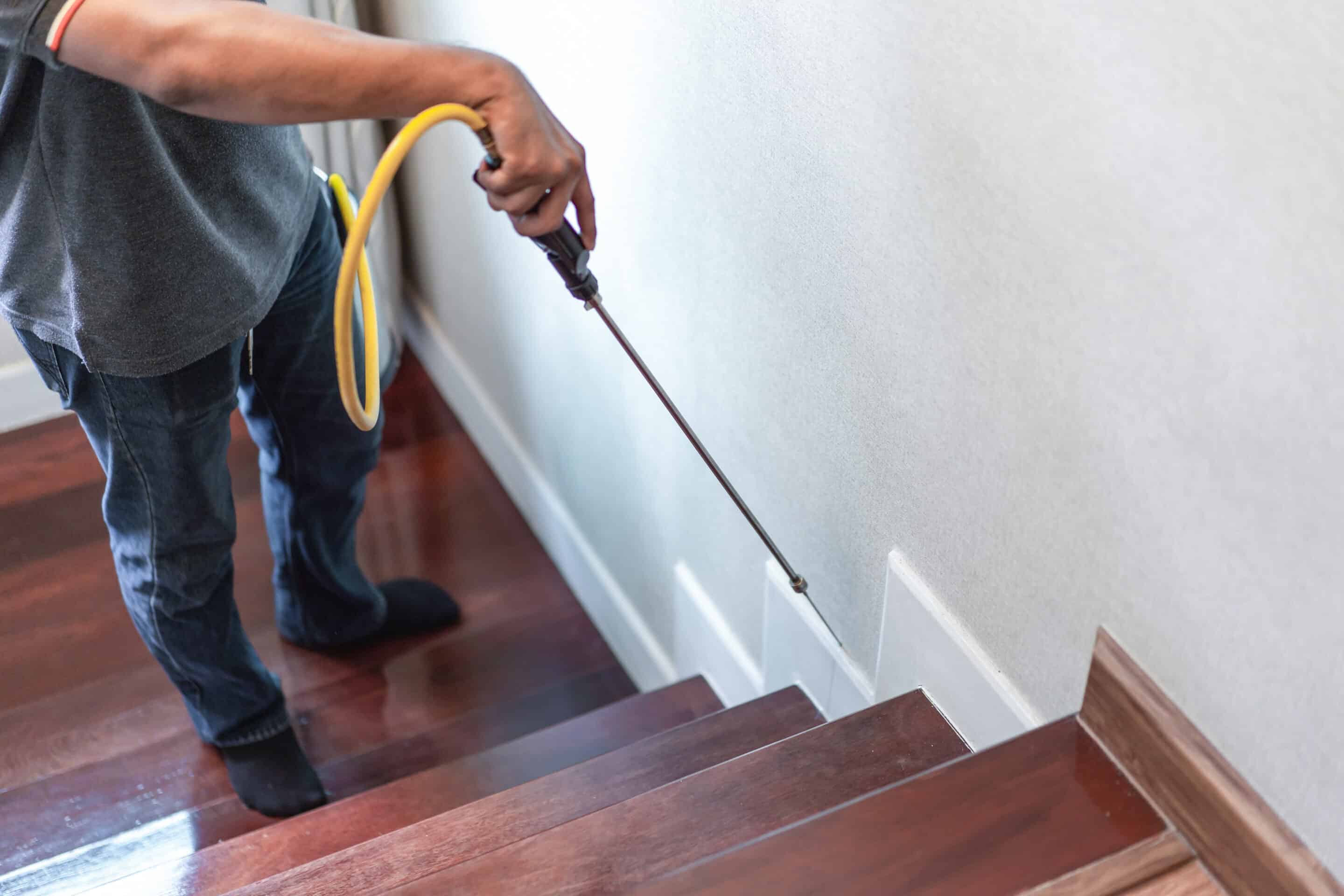
Global Pest Management’s interior bug treatment for ants, roaches, and spiders includes a detailed inspection, targeted crack-and-crevice applications, professional-grade baits, perimeter treatments, and follow-up visits when activity levels call for them.
A professional ant treatment plan may include:
- Species identification and colony assessment
- Targeted indoor treatment in cracks, crevices, and active areas
- Professional baits positioned to reach foraging ants and support colony control
- Exterior perimeter treatment to reduce ant pressure around the structure
- Treatment of ant mounds or nesting locations, when appropriate
- Follow-up monitoring or treatments based on ant activity
- Recommendations for moisture correction, sanitation, and exclusion
- Guidance for homeowners, tenants, employees, or property managers
The right treatment depends on the species. Carpenter ant control may require addressing damp or damaged wood and treating nesting areas. Fire ant control may focus on mound and lawn treatments. Indoor nuisance ants may require baiting, exterior control, exclusion, and source reduction.
Your technician should explain what was found, what is being treated, and what actions can help reduce future ant pressure. Clear communication and practical prevention steps are a core part of Global Pest Management’s approach.
Ant Exclusion and Prevention
Ant exclusion involves reducing the gaps and pathways ants use to enter a property. Because ants can access very small cracks, complete exclusion is not always possible. However, sealing obvious openings and correcting exterior conditions can significantly reduce indoor ant activity.
Use this ant-prevention checklist:
- Seal visible cracks around foundations, siding, windows, doors, and utility lines.
- Repair door sweeps, weatherstripping, screens, and damaged exterior trim.
- Keep countertops, floors, and food-preparation areas clean.
- Store pantry foods, snacks, and pet food in sealed containers.
- Empty indoor trash regularly and clean recycling containers before storage.
- Wipe up sugary spills, grease, and sticky residue promptly.
- Avoid leaving pet food or water accessible overnight when possible.
- Fix plumbing leaks and reduce condensation beneath sinks and appliances.
- Repair roof leaks, damaged gutters, and moisture issues around wood components.
- Keep mulch, leaf litter, firewood, lumber, and landscape debris away from exterior walls.
- Trim tree branches, shrubs, and vines away from the building.
- Maintain drainage so water moves away from the foundation.
- Schedule routine pest control if ants are a recurring issue.
Prevention is especially valuable after professional treatment. For example, an ant trail in the kitchen may stop after baiting, but activity can return if a leaking pipe beneath the sink, an unsealed utility opening, and accessible food residue remain in place.
What Affects Ant Treatment Cost?
Ant treatment cost varies according to the type of ant, severity of activity, size of the property, treatment areas, number of nests, required follow-up visits, and whether exclusion or moisture-related repairs are needed.
A small indoor nuisance-ant issue may need a different plan than widespread carpenter ant activity near moisture-damaged wood or multiple fire ant mounds across a large yard. Commercial properties, apartment communities, restaurants, and offices may require routine inspections, documented service, and coordinated treatment across several areas.
Global Pest Management provides competitive pricing and flexible service plans for North Georgia residential and commercial customers. A free inspection is the best way to identify the ant species, evaluate the infestation, and receive a tailored recommendation.
Choose Global Pest Management for Ant Control
Ant problems can be frustrating, but professional help can provide a clear path forward. Global Pest Management combines inspection, targeted treatment, baiting, perimeter protection, follow-up service, and prevention guidance to help homes and businesses manage ant activity effectively.
Global Pest Management is a trusted, local, family-owned North Georgia pest control company. The company provides residential and commercial pest services, uses environmentally friendly solutions, offers free inspections, and may provide same-day appointments when available.
If ants are invading your kitchen, forming trails around your property, nesting in damaged wood, or building painful fire ant mounds in your yard, contact Global Pest Management today. Schedule a professional ant inspection and get a customized solution designed to help protect your property year-round.
Ant Resources
Explore these related ant resources from Global Pest Management:
- Ant Control
- Ant Inspection
- Signs of Ant Infestation
- What Attracts Ants
- Ant Infestation
- Ant Treatment Cost
- How to Get Rid of Ants
- Ant Prevention
- Ant Exclusion
- Ants in the House
- Carpenter Ants
- Fire Ants
- Pavement Ants
- Ant Control by City
