
Everything About WildlifeRemoval, Damage, Exclusion & Prevention
Learn how to identify, remove, and prevent wildlife problems in North Georgia. Contact Global Pest Management for a professional wildlife inspection.
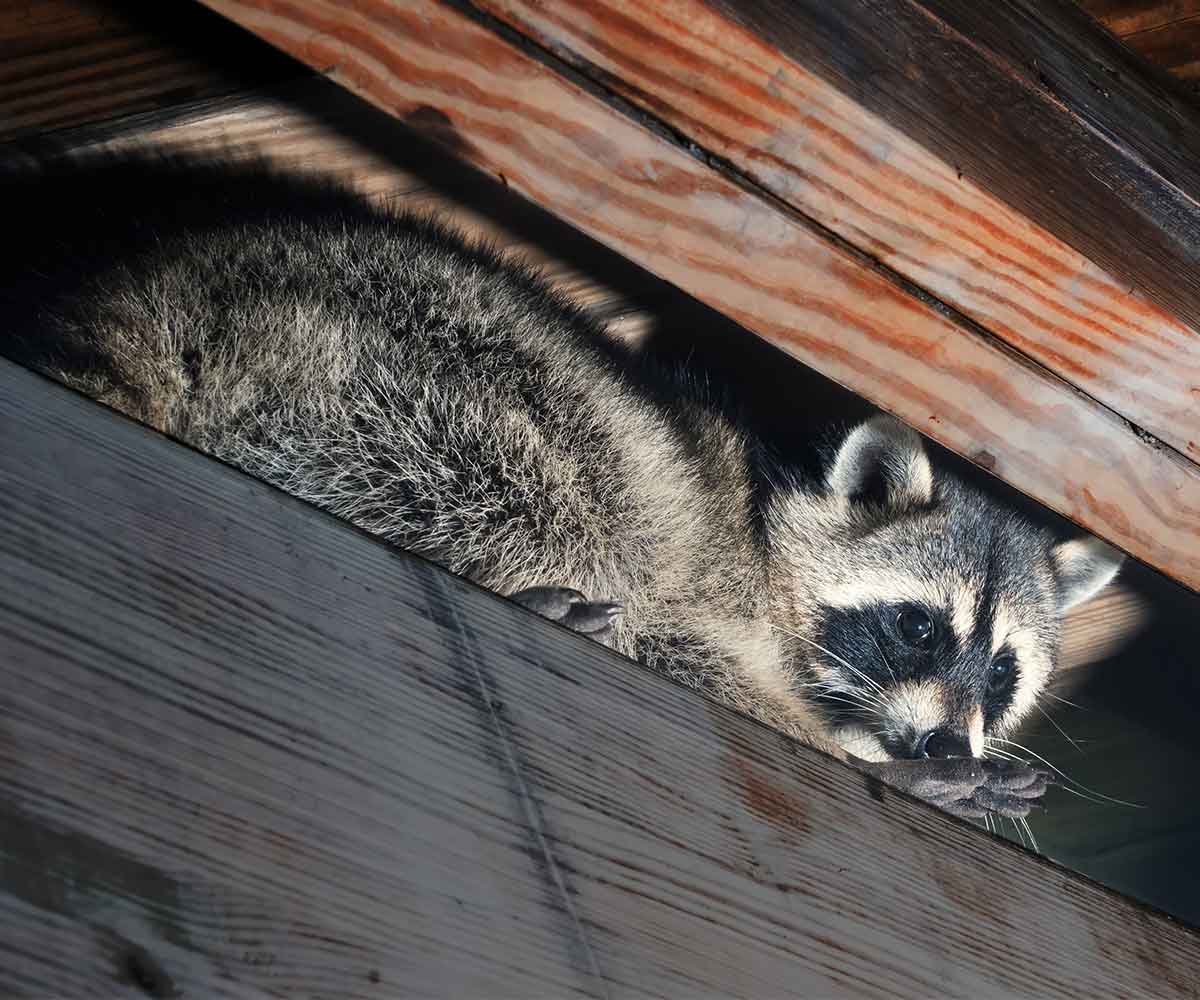
Everything You Need to KnowAbout Wildlife
Wildlife can be an important part of North Georgia’s natural environment, but animals do not belong inside your attic, crawl space, walls, chimney, garage, or commercial building. Raccoons, squirrels, bats, opossums, birds, snakes, skunks, and other wildlife may seek shelter near homes and businesses when they find food, water, warmth, or a protected nesting site.
A wildlife problem can begin quietly. You may hear scratching above the ceiling at night, notice torn soffits near the roofline, find droppings in the attic, smell unusual odors near a crawl space, or discover that insulation has been disturbed. Without professional attention, wildlife can damage building materials, contaminate insulation, chew wiring, block vents, create sanitation concerns, and repeatedly return through the same entry points.
Global Pest Management provides professional wildlife control and removal for homes and businesses throughout North Georgia. The company’s trained technicians remove a variety of nuisance wildlife species, including raccoons, squirrels, bats, birds, skunks, beavers, snakes, and more. Global Pest Management prioritizes non-lethal, environmentally conscious techniques whenever possible, such as one-way doors, exclusion, habitat modification, and deterrents that encourage animals to relocate safely.
If you suspect wildlife is living in or around your property, do not wait for damage to worsen. Contact Global Pest Management to schedule a professional wildlife inspection and receive a plan for safe removal, exclusion, and prevention.
Why Wildlife EntersHomes and Businesses
Wildlife does not typically enter a structure at random. Animals are looking for the resources they need to survive: food, water, shelter, safety, and suitable areas for nesting or raising young.
Attics, crawl spaces, wall voids, chimneys, sheds, garages, rooflines, and under-deck areas can provide dry, quiet, protected shelter. These locations may also offer insulation, stored materials, or debris that animals can use for nesting.
Common reasons wildlife is attracted to a property include:
- Unsecured garbage, trash bags, and recycling
- Pet food, birdseed, livestock feed, and outdoor food sources
- Fallen fruit, gardens, compost, and accessible food waste
- Standing water, leaking hoses, birdbaths, and pond features
- Openings in soffits, siding, vents, rooflines, crawl spaces, and foundations
- Chimneys without properly installed caps
- Damaged vents, screens, trim, or weather barriers
- Tree limbs that contact or overhang the roof
- Dense shrubs, woodpiles, brush, and landscape debris near the building
- Accessible attics, garages, sheds, and storage areas
- Quiet, rarely used areas around the property
Seasonal conditions may also influence wildlife activity. During colder weather, animals may seek warmth and shelter indoors. In spring and early summer, animals may search for protected denning or nesting spaces. Heavy rain, construction activity, habitat disruption, and changing food availability can also push wildlife closer to homes and businesses.
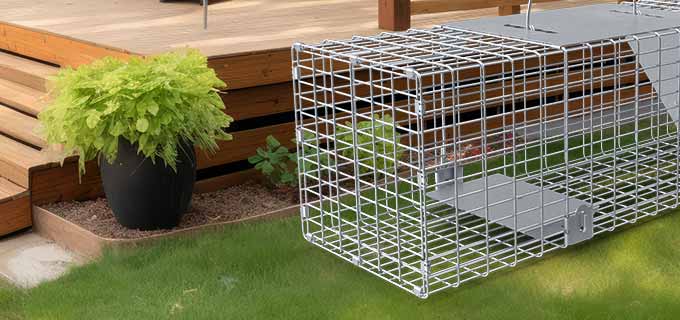
Signs of Wildlifeon Your Property
Wildlife activity is not always visible. Many animals are active at night or use concealed entry points, so property owners often notice sounds, odors, damage, or droppings before they see the animal.
Common signs of wildlife include:
Noises in the Attic, Walls, or Crawl Space
Scratching, thumping, scurrying, chirping, squeaking, or rustling sounds may indicate animals moving through an attic, wall void, ceiling, crawl space, chimney, or roofline.
The type and timing of the sound can provide useful clues:
- Heavy footsteps, loud thumping, or pronounced movement at night may be associated with raccoons.
- Lighter scurrying or rolling sounds during the day may point to squirrels.
- Fluttering, chirping, or squeaking near rooflines or vents may suggest bats or birds.
- Repeated movement beneath a deck, porch, shed, or crawl space may indicate an animal using the area for shelter.
Sound alone cannot reliably identify the species, so a professional inspection is the safest way to determine what is active and where it entered.
Droppings and Urine Stains
Droppings may be found in attics, garages, crawl spaces, storage areas, under decks, near entry points, or along wildlife travel paths. Urine can create stains, odors, and damage to insulation or building materials.
Do not sweep, vacuum, or handle unknown wildlife droppings without proper protective measures. Disturbing droppings can create sanitation and airborne-particle concerns. A wildlife professional can help assess the situation and advise on safe cleanup or remediation needs.
Damaged Soffits, Vents, and Roof Areas
Wildlife often enters through vulnerable sections of the exterior. Look for torn screens, bent vent covers, loose siding, damaged soffits, chewed wood, roofline gaps, displaced shingles, or openings around pipes and utility lines.
Raccoons can pull apart weak soffits, vents, and roof components. Squirrels may chew through wood, trim, or fascia to enlarge an opening. Bats may enter through small gaps around rooflines, vents, chimneys, or siding.
Nesting Materials
Wildlife may bring leaves, twigs, insulation, fabric, paper, grass, or other material into a sheltered area. Nesting debris can appear in attics, vents, chimneys, crawl spaces, sheds, or beneath porches and decks.
Strong or Unusual Odors
Persistent odors can result from urine, droppings, nesting material, a dead animal, or animals repeatedly using the same location. Odors may become more noticeable near attics, closets, ceiling areas, crawl spaces, vents, garages, or outdoor entry points.
Tracks, Smudges, or Disturbed Landscaping
Wildlife may leave tracks in mud, dust, snow, mulch, or soil. You may also see disturbed insulation, damaged garden areas, overturned trash cans, claw marks, greasy rub marks, or pathways through vegetation.
Wildlife Damage and Property Risks
Wildlife can cause damage quickly, especially when animals are nesting, searching for food, or attempting to gain access to a building. The extent of damage depends on the animal, the length of activity, the location of the infestation, and the condition of the structure.
Common wildlife damage includes:
- Torn, compressed, or contaminated attic insulation
- Chewed electrical wiring, cables, and plumbing materials
- Damaged soffits, fascia, shingles, siding, vents, and screens
- Openings around rooflines, chimneys, crawl spaces, and foundations
- Blocked dryer vents, attic vents, or chimney systems
- Damage to ducts, HVAC equipment, and stored belongings
- Scratched or chewed trim, wood, and structural components
- Contamination from urine, droppings, nesting material, or animal remains
- Damage to gardens, landscaping, outdoor furniture, and garbage areas
- Repeated entry if openings are not repaired and sealed
Chewed wiring should be treated as a potential safety concern. If you suspect wildlife has damaged electrical wiring, contact a qualified electrician in addition to arranging professional wildlife removal.
Wildlife issues can also affect indoor air quality, sanitation, and comfort. Animals in an attic or crawl space may contaminate insulation or create odors that spread into living areas. In commercial settings, wildlife activity can create additional operational, health-code, customer-experience, and reputation concerns.
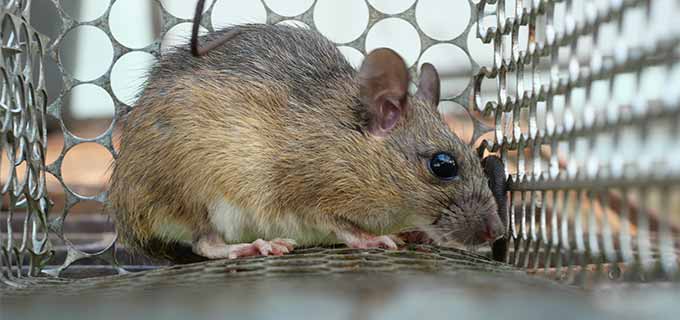
Wildlife in the Attic
An attic is one of the most common places for wildlife to shelter because it is warm, dry, quiet, and often filled with insulation suitable for nesting. Raccoons, squirrels, bats, birds, and rodents may enter through roofline gaps, open vents, damaged soffits, loose siding, chimney openings, or other exterior weaknesses.
Signs of wildlife in the attic may include:
- Scratching, scampering, chirping, or thumping above the ceiling
- Droppings, urine stains, or strong odors
- Torn or flattened insulation
- Chewed wires, ducts, or stored belongings
- Daylight visible through a damaged vent, soffit, or roofline opening
- Nesting materials or animal remains
- Flies or insects gathering near attic windows or vents
- Damage around the roof edge or eaves
Avoid entering an attic with active wildlife unless you have the appropriate training and protective equipment. Animals may be defensive if they are cornered, injured, or protecting young. A professional inspection can determine the species, identify the entry point, and recommend removal and exclusion steps that avoid trapping animals inside.
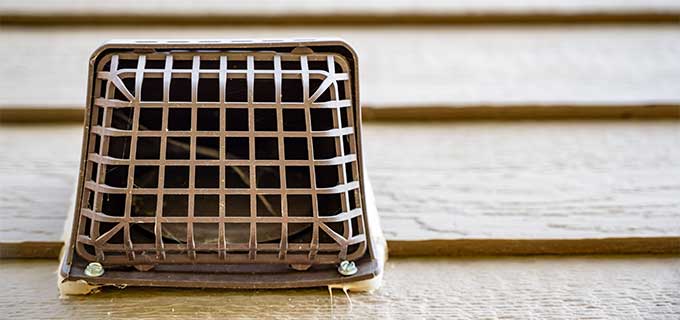
Common Wildlife Problems in North Georgia
Different wildlife species behave differently, so effective control begins with accurate identification.
Wildlife type |
Common signs |
Typical concerns |
| Raccoons | Heavy nighttime noises, overturned trash, damaged soffits, torn vents, large droppings | Can cause significant attic and roofline damage; may use attics or crawl spaces for denning |
| Squirrels | Daytime scratching or running noises, chewed trim, roofline damage, nesting material | May chew into attics and damage insulation, wiring, and stored belongings |
| Bats | Chirping or fluttering near dusk, small gaps near rooflines, droppings below roosting areas | May roost in attics, walls, vents, or chimneys; require careful, species-appropriate exclusion |
| Opossums | Nocturnal activity, disturbed trash, activity under decks or sheds | Often seek shelter in crawl spaces, beneath structures, or around accessible food sources |
| Birds | Chirping, nesting debris, blocked vents, activity around eaves or chimneys | Can nest in vents, soffits, signs, and other protected openings |
| Snakes | Shed skins, sightings near garages, crawl spaces, gardens, or woodpiles | Often follow rodent activity and may shelter near clutter, debris, or gaps around structures |
Global Pest Management’s wildlife removal service addresses a wide range of nuisance wildlife, including raccoons, squirrels, bats, birds, skunks, beavers, snakes, and more.
Professional Wildlife Inspection
A professional wildlife inspection is the first step toward resolving an animal problem safely and effectively. The goal is not only to identify the animal but also to locate the entry point, assess the damage, determine whether young may be present, and recommend a strategy that helps prevent repeat activity.
During a wildlife inspection, Global Pest Management technicians can assess:
- Attics, crawl spaces, garages, basements, and accessible wall or ceiling areas
- Rooflines, soffits, fascia, vents, chimneys, and siding
- Foundation gaps, crawl space openings, decks, sheds, and outbuildings
- Droppings, nesting materials, odor sources, and visible damage
- Animal pathways, tracks, and exterior access routes
- Tree limbs, vegetation, woodpiles, trash areas, and attractants
- Potential entry points that require repair, screening, or sealing
- Conditions that may need sanitation, insulation repair, or electrical evaluation
Global Pest Management offers free inspections and same-day appointments may be available for urgent pest and wildlife concerns. A detailed inspection gives property owners a clearer understanding of what is happening before removal or exclusion work begins.
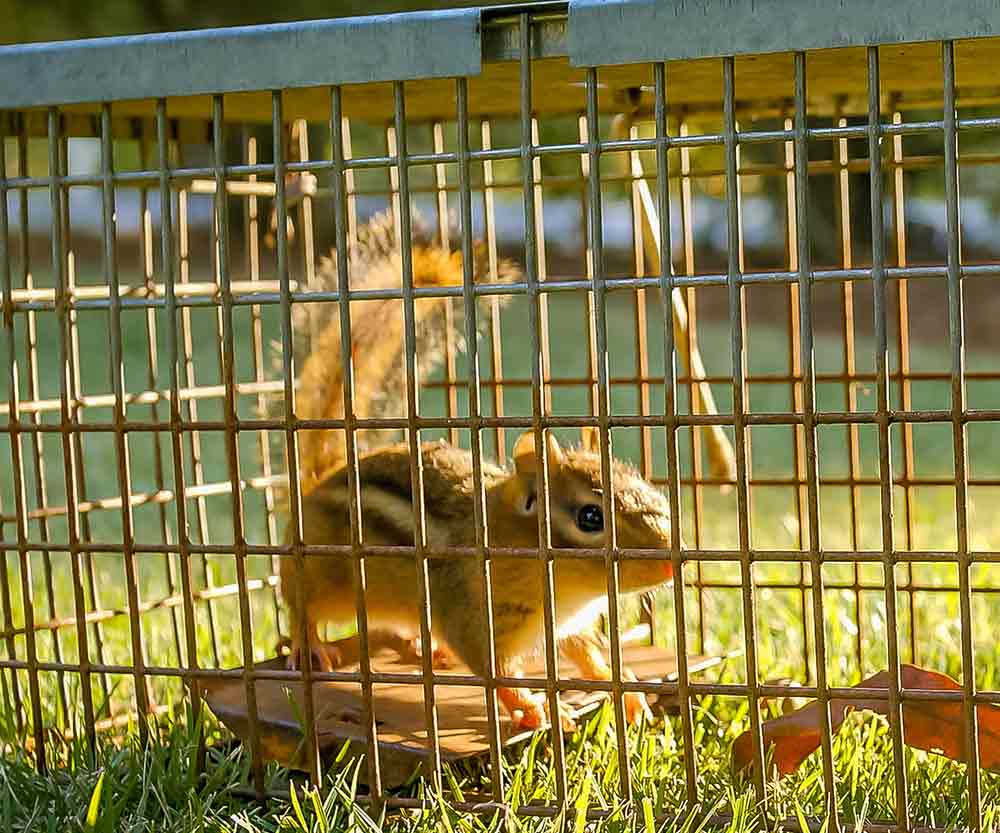
Wildlife Removal: A Humane, Practical Approach
Wildlife removal should be handled carefully. Different animals are subject to different regulations, seasonal restrictions, and best practices—especially when animals may be nursing or raising young. Attempting to trap, handle, poison, or seal wildlife inside a building can create additional problems, including animal suffering, odors, damage, and risks to people or pets.
Global Pest Management uses non-lethal and environmentally friendly wildlife-removal techniques whenever possible. These methods may include one-way doors, exclusion techniques, habitat modification, and deterrents that encourage wildlife to relocate from unwanted spaces.
A professional wildlife-removal plan may involve:
- Identifying the animal and confirming active entry points
- Evaluating whether young animals may be present
- Installing one-way exclusion doors when appropriate
- Using safe trapping or removal methods when necessary
- Sealing and repairing entry points after animals have exited
- Removing accessible nesting debris when appropriate
- Recommending sanitation, odor-control, insulation, or repair services
- Adjusting exterior conditions that attract wildlife
- Monitoring for signs of return activity
Wildlife removal is most successful when exclusion follows removal. Removing one raccoon or squirrel without sealing the opening may simply create space for another animal to enter.
Wildlife Exclusion and Prevention
Wildlife exclusion is the process of closing the gaps, holes, damaged materials, and vulnerable areas that animals use to access a structure. It is one of the most important steps for long-term wildlife control.
Global Pest Management identifies and seals wildlife entry points after removal, which may include repairing damaged vents, soffits, or siding and improving crawl space ventilation.
Use this wildlife-prevention checklist to make your property less appealing:
- Keep garbage in durable containers with secure, tight-fitting lids.
- Do not leave pet food, birdseed, or food scraps outdoors overnight.
- Clean up fallen fruit, spilled seed, and accessible compost materials.
- Repair damaged soffits, fascia, siding, roof vents, and chimney caps.
- Cover vents with properly installed wildlife-resistant screens where appropriate.
- Seal openings around pipes, cable lines, HVAC lines, utility penetrations, and foundations.
- Repair loose weatherstripping, damaged garage door seals, and gaps around doors.
- Trim tree branches away from rooflines and exterior walls.
- Keep firewood, lumber, brush piles, and landscape debris away from the building.
- Reduce thick vegetation and hiding areas near crawl spaces, decks, and foundations.
- Inspect roofs, eaves, chimneys, vents, and siding regularly for new damage.
- Keep garages, sheds, attics, and storage areas organized.
- Address rodent activity, since rodents can attract snakes and other wildlife predators.
- Schedule a professional inspection if you hear wildlife sounds or find damage.
A complete exclusion plan should be completed carefully. Sealing a building before confirming that all animals have left can trap wildlife inside, leading to further damage or odor issues. Professional technicians can determine the proper sequence for removal and repair.
What Affects Wildlife Control Cost?
Wildlife control cost varies based on the type of animal, location of activity, number of entry points, extent of damage, removal method, height and accessibility of the work area, follow-up visits, and exclusion repairs needed.
For example, removing an opossum from beneath a deck may require a different service plan than excluding squirrels from an attic or managing a bat-roosting concern near a roofline. Larger animals, difficult-to-reach roof entry points, contaminated insulation, damaged wiring, or multiple access areas can increase the scope of service.
A professional inspection is the most reliable way to determine what animal is active, what removal approach is appropriate, and which repairs or preventive steps are needed. Global Pest Management offers competitive pricing and flexible service plans designed around customer needs.
Choose Global Pest Management for Wildlife Control
Wildlife problems require more than a quick response. The most effective solution identifies the animal, removes it safely, protects the property from future entry, and addresses the conditions that made the space attractive in the first place.
Global Pest Management is a second-generation, family-owned company that has served North Georgia for more than two decades. The company provides residential and commercial pest services, focuses on environmentally conscious solutions, offers free inspections, and has same-day appointments available when possible.
If you hear noises in the attic, find wildlife droppings, notice damaged vents or soffits, or suspect raccoons, squirrels, bats, opossums, or other animals are using your property for shelter, contact Global Pest Management today. Schedule a professional wildlife inspection and get a practical plan for removal, exclusion, and long-term prevention.
Wildlife Resources
Explore these related wildlife resources from Global Pest Management:
- Wildlife Control
- Wildlife Inspection
- Signs of Wildlife on Your Property
- What Attracts Wildlife
- Wildlife Damage
- Wildlife Removal
- Wildlife Control Cost
- Wildlife Prevention
- Wildlife Exclusion
- Wildlife in the Attic
- Raccoon Control
- Squirrel Control
- Bat Removal
- Opossum Control
- Wildlife Control by City
